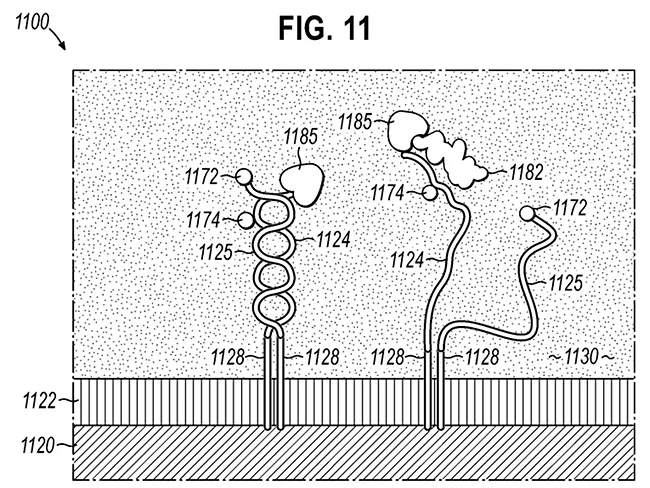
Researchers from the University of Cincinnati filed for protection of an electrochemical aptamer-based biosensor technology with improved sensitivity and longevity, which has the potential for monitoring several biomarkers over sustained periods.
Researchers from The Ohio State University have filed for protection of Neurothread, a wire-type neurotransmitter-sensing platform that utilizes the cross-section of commercially available ultrathin microwires as microelectrodes.
Professor Alexander Star and researchers from the University of Pittsburgh have filed for protection of their development of a rapid, affordable, and reliable tuberculosis diagnostic tool.
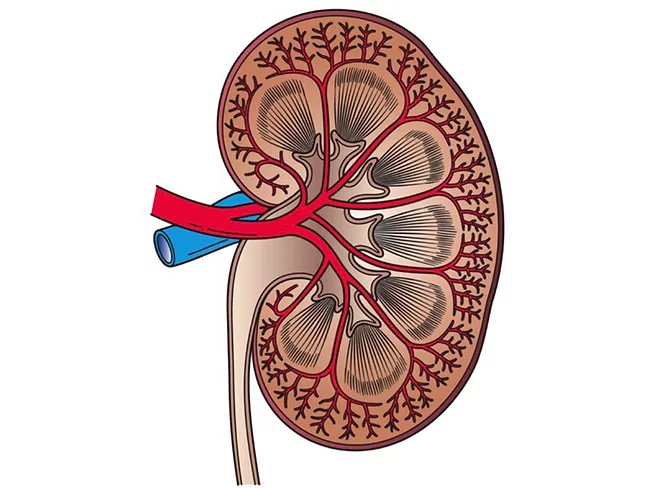
Researchers developed a novel electrochemical biosensor technology capable of assessing symmetric dimethylarginine to detect early kidney disease, which could be adapted to detect other biomarkers for conditions like cancer.
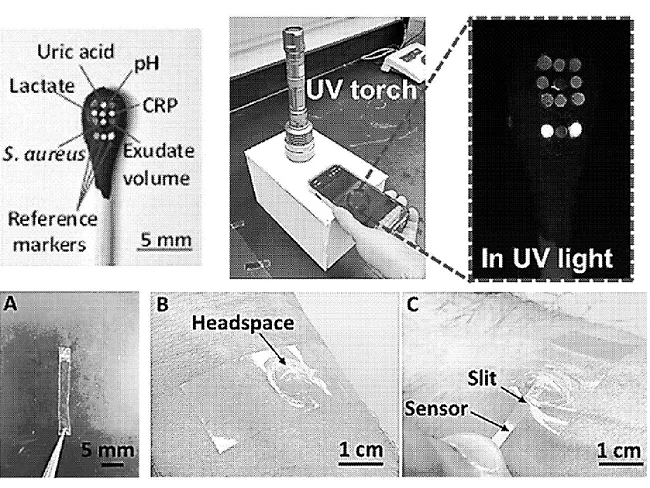
Researchers from North Carolina State University filed for protection of miniaturized, wireless, wound-monitoring sensors that may be incorporated into swabs or wound dressings for real-time, accurate assessment of wound status.
Sava Technologies Ltd. emerged from five years of stealth with $8 million in seed funding for its microneedle-based sensor. The financing round was led by Balderton Capital and Exor Ventures and will be used to expand the company’s team, design the next-generation product and conduct clinical studies.
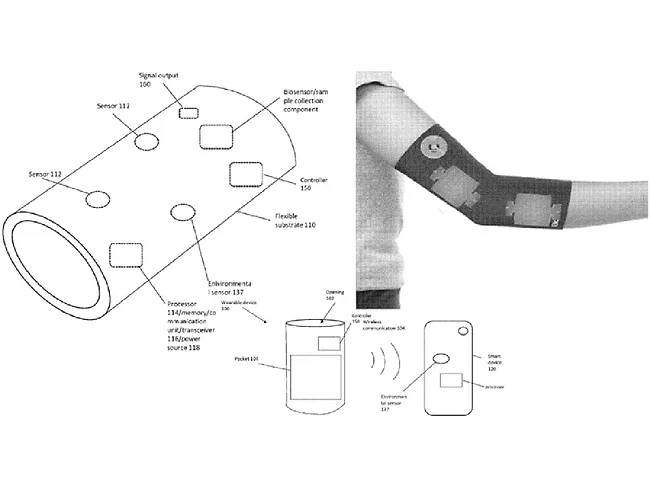
The latest filing from Orlando-based Noble International Inc.—an Aptar Pharma company—hints at the development of a new category of medical devices. Best known for its medical device training solutions and patient onboarding strategies, Noble filed for protection of a compression sleeve for monitoring and treating rheumatic disorders.
Researchers from the University of Stellenbosch in South Africa are seeking protection for a simple and user-friendly point-of-care device for diagnosing tuberculosis. Their electrochemical lateral flow device merges lateral flow device technology and electrochemical device technology by using porous electrodes that are capable of transporting electrolytic liquid and fluid sample.
In what represents its first patenting, Copenhagen, Denmark-based HEI Therapeutics ApS reported seeking patent protection for a point-of-care or home monitoring solution, which enables personalized treatment for hypothyroidism.
Inventors from the International School of Advanced Studies (SISSA) in Trieste, Italy reported filing a patent for a graphene-based device for the targeted mucosal and transmucosal delivery and/or controlled release of active pharmaceutical ingredients (APIs) for various therapeutic applications when on-demand drug administration is needed.