Researchers at Singapore’s Agency for Science Technology & Research Bioprocessing Technology Institute (also known as A*STAR BTI) saw publication of their patent application for a wearable electronic system for solid-state epidermal biomarkers (SEB) that enables in situ, continuous, multiplexed, wireless, and skin-integrated sensing of analytes such as cholesterol, lactate, and glucose.
University of California researchers saw publication of their patent application for a multimodal cryptographic bio-human machine interface (CB-HMI), which seamlessly translates the user's touch-based entries into encrypted biochemical, biophysica, and biometric indices.
Researchers from the University of Shanghai for Science and Technology have developed an electrotechnical patch, printed on a wearable substrate, capable of detecting dopamine and glucose levels in real-time. They published their work in Analytica.
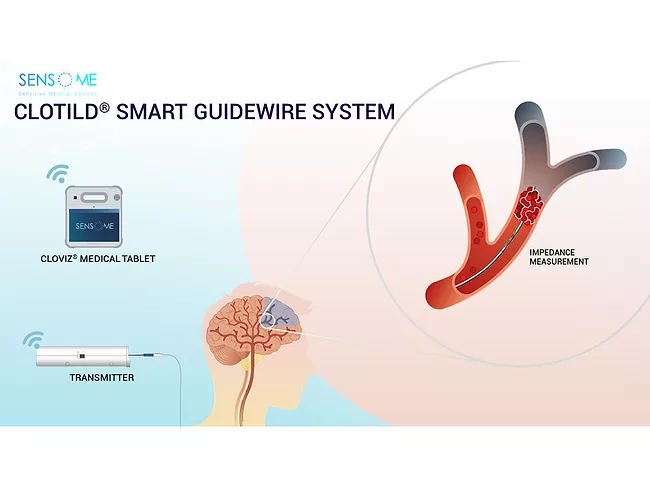
Sensome SAS reported a partnership with Asahi Intecc Co. Ltd. to develop the next generation Clotild smart guidewire. Asahi Intecc is taking on the manufacturing role for Sensome’s smart guidewire designed for the treatment of acute ischemic stroke.
A graphene-based electronic biosensor platform from Paragraf Ltd. simultaneously detected both protein antigen and RNA biosignals from samples in real time, according to a study published in Advanced Materials Technology. Paragraf claimed that the achievement is a world first, and the development of the platform, which can be quickly adapted for multiomics and multiplexed diagnosis of continuously evolving biothreats and global pandemics, is a major breakthrough.
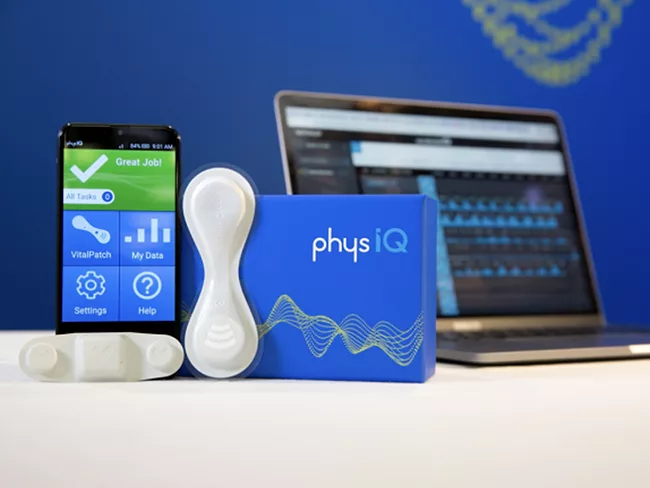
The move away from in-clinic testing continues, with another company offering a convenient, at-home sensor that gathers critical health information without requiring any change on the part of the patient, which may provide even more accurate, real-world data on patient health than the tests they replace.
Molecular Sensoring Technology Co. Ltd. (Molsentech) has developed a diagnostic platform using semiconductor chips with biosensors for COVID-19 testing. The platform could deliver a result anywhere from three to 30 minutes, with accuracy compatible to the polymerase chain reaction (PCR) tests.
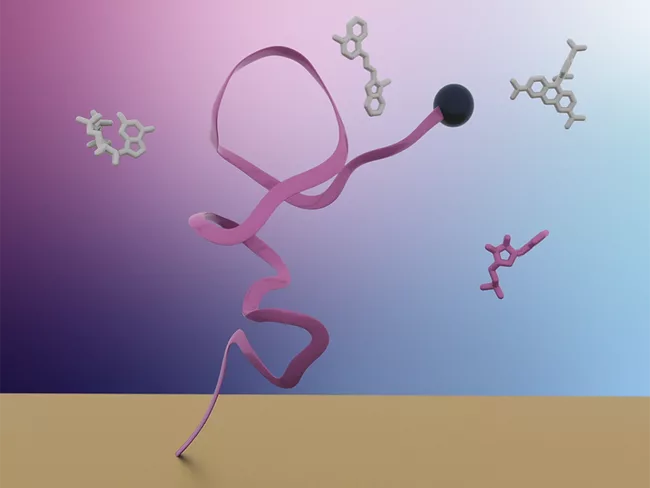
Nutromics Pty Ltd. has raised $14 million to build out its wearable diagnostic platform that uses DNA sensors to track multiple targets in the body using a single patch.
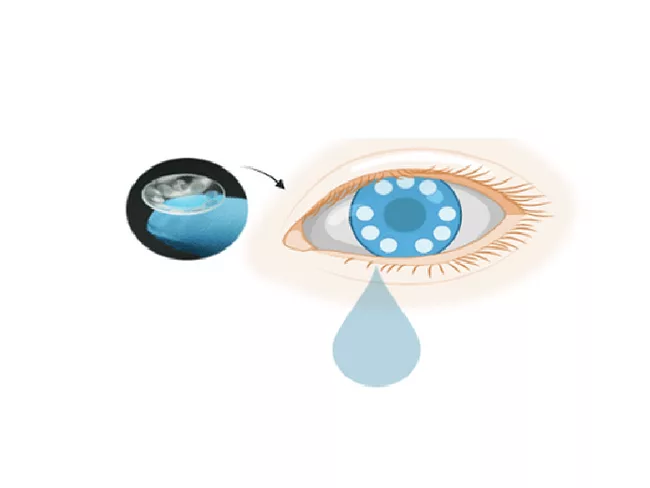
Researchers from the Terasaki Institute for Biomedical Innovation (TIBI) in Los Angeles are developing a contact lens that can capture and detect exosomes. These are nanometer-sized vesicles found in bodily secretions which have the potential to be diagnostic cancer biomarkers. The team published its work and findings in August 2022 in Advanced Functional Materials.
A research team at the Korea Advanced Institute of Science and Technology (KAIST) has developed tattoo ink made of liquid metal and carbon nanotubes that can work as a bioelectrode. This technology could translate to a tattoo that can function as a health-monitoring device.