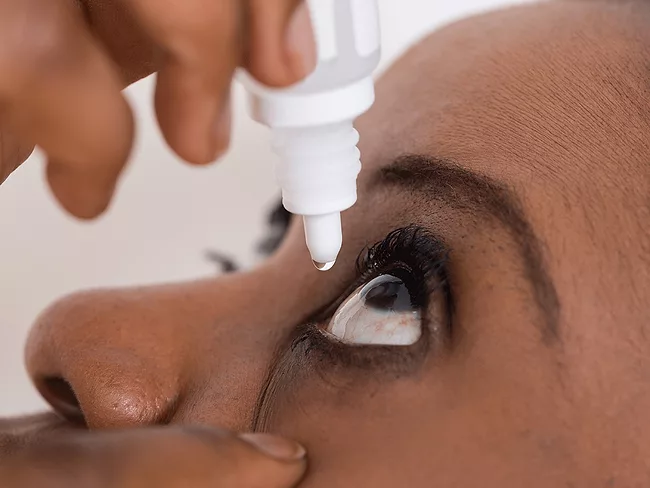
Beijing DP Technology Co. Ltd. has nominated DPT-0415, a novel small molecule targeting lipoprotein‐associated phospholipase A2 (Lp-PLA2), as a preclinical candidate for the treatment of diabetic retinopathy (DR) and diabetic macular edema (DME).
Théa Open Innovation, a subsidiary of France’s Laboratoires Théa SAS, returned rights to South Korea’s Curacle Co. Ltd.’s CU-06, an oral diabetic macular edema drug candidate. Curacle posted positive top-line phase IIa data of CU-06 just three months prior.
The U.S. FDA approved the country’s first two interchangeable biosimilars, or copy products, of Regeneron Pharmaceuticals Inc./Bayer AG’s Eylea (aflibercept) on May 20, to treat four eye-related conditions. The FDA granted the approvals to U.S.- and India-based Johnson & Johnson Services Inc./Biocon Biologics Ltd.’s Yesafili (aflibercept-jbvf; M-710) and South Korea’s Samsung Bioepis Co. Ltd.’s Opuviz (aflibercept-yszy; SB-15).
Vascular dysfunction that causes leakage of plasma proteins such as fibrinogen, fibrin deposits and innate immune cell activation is the cause of neurodegenerative ocular diseases, including diabetic macular edema, age-related macular degeneration or diabetic retinopathy.
Not long after Ocular Therapeutix Inc. unveiled positive phase I data in non-proliferative diabetic retinopathy with Axpaxli (axitinib intravitreal implant), Eyepoint Pharmaceuticals Inc. offered less-sunny phase II data from the Pavia trial testing Duravyu (vorolanib intravitreal insert), previously known as EYP-1901, in the same indication.
Top-line phase II results of privately held Ocuterra Therapeutics Inc.’s novel selective small-molecule RGD integrin inhibitor, nesvategrast (OTT-166), showed it failed to meet primary and key secondary endpoints in patients with diabetic retinopathy, prompting the Boston-based company to seek strategic alternatives.
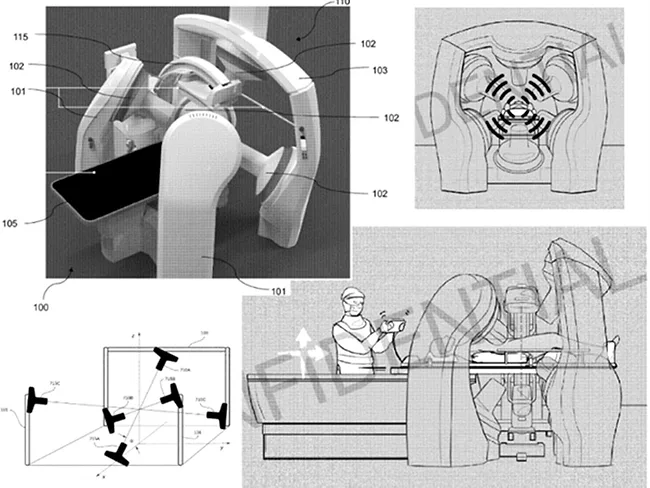
Starpax Biopharma Inc. files for further protection of its anticancer technology that uses magnetically steered bacteria to spread chemotherapy drugs throughout the volume of tumors. Its latest filing describes a method for preparing a subject for a medical intervention with magnetotactic bacteria tethered to treatment, imaging or diagnostic agents.
Korean bioventure Curacle Co. Ltd. reported positive top-line findings from its U.S.-based phase IIa study of CU06-1004, an oral drug for diabetic macular edema, spurring plans for a bigger phase IIb study in the second half of 2024.
Diabetic retinopathy and diabetic kidney disease are frequent microvascular complications of diabetes, both related to exacerbated vascular permeability coming from microvascular barrier malfunctioning.