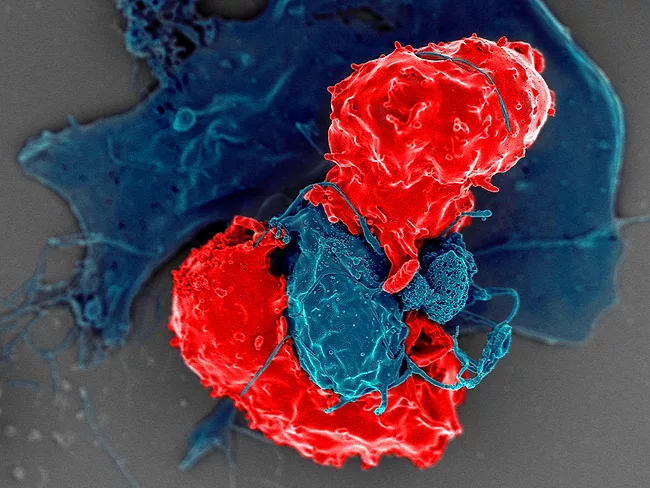
Japanese-founded Regcell Inc. has raised $45.8 million and is redomiciling to the U.S. to accelerate clinical development of its pioneering regulatory T-cell (Treg) platform for autoimmune diseases and transplantation.
While phase II results of Coya Therapeutics Inc.’s low-dose IL-2 drug, COYA-301, showed promise in Alzheimer’s disease patients when dosed every four weeks, it was the more frequent dosing of every two weeks that led to exhausted regulatory T cells and no benefits, driving down the company’s stock by nearly 28%.
Antibodies targeting cytotoxic T-lymphocyte protein 4 (CLTA-4) have faced challenges due to frequent adverse events and limited efficacy, thus pushing the search for next-generation anti-CTLA-4 antibodies that balance T regulatory cell (Treg) depletion with CD8 T-cell activation for cancer immunotherapy.
Regulatory T-cell specialist Quell Therapeutics Ltd. has sealed a potential $2 billion agreement under which Astrazeneca plc is taking rights to two autologous Treg cell therapies for treating inflammatory bowel disease (IBD) and type 1 diabetes. Quell will receive $85 million up front, the majority of which is in cash, with a modest (undisclosed) equity investment. Reaching the $2 billion headline figure will involve a series of development and commercial milestones and royalties on sales.
Researchers from Neoleukin Therapeutics Inc. have described NEO-TRA1, a novel CD25-targeted de novo non-α agonist of the IL-2 receptor (IL-2R) designed to selectively expand Tregs.
LONDON – Quell Therapeutics Ltd. has raised $156 million in an oversubscribed series B, enabling it to start a phase I/II trial of its engineered T regulatory (Treg) cell therapy for promoting long-term immune tolerance in liver transplant patients, averting the need for chronic immunosuppression.
Mozart Therapeutics Inc. CEO Katie Fanning said the firm’s $55 million series A financing will allow the filing of an IND, probably in early 2024, for a prospect in celiac disease. Founded in July 2020, Seattle-based Mozart is based on research into the CD8 T-cell regulatory network, which has been found to play an important role in surveillance, recognition and elimination of inappropriately activated autoreactive and pathogenic immune cells.
Gentibio Inc. has raised $157 million to develop its engineered regulatory T cells (Tregs), setting itself a target to cure type 1 diabetes and treat other diseases caused by the immune system. Boston-based Gentibio launched in August last year with $20 million seed funding from Orbimed, Novartis Venture Fund and RA Capital. Those investors stayed on into the next round, which was led by Matrix Capital Management with participation by Avidity Partners and JDRF T1D Fund.
CEO Samantha Singer said Abata Therapeutics Inc. “spent a considerable amount of time finding the right indication” for its approach, which deploys autologous regulatory T cells (Tregs) made to express T-cell receptors (TCRs). That disease is progressive, non-relapsing multiple sclerosis (MS). “We’re going to be able to succeed with these patients where other options have failed,” she told BioWorld.