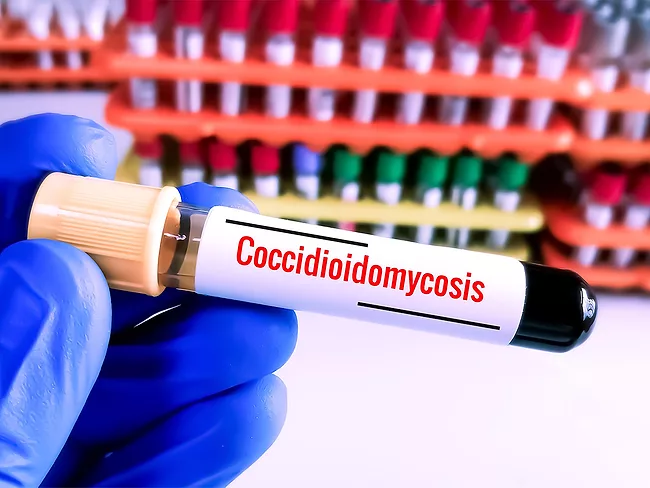
One of the challenges associated with COVID-19 has been an increase of secondary infections, including fungal infections. These coinfections can hinder treatment efficacy and increase illness severity.
Shares of Novavax Inc. (NASDAQ:NVAX) dropped nearly 20% Oct. 16 to close at $10.15 after the company reported a serious adverse event had prompted a U.S. FDA clinical hold for its COVID-19-influenza combination and standalone flu vaccine candidates.
The COVID-19 pandemic pushed the urgency for effective antiviral drugs against coronaviruses. Researchers from Europe conducted machine learning and in vitro validation experiments for the identification of potential antiviral drugs effective against coronaviruses.
Tohoku University has disclosed 3C-like proteinase (3CLpro; Mpro; nsp5) (SARS-CoV-2; COVID-19 virus) inhibitors reported to be useful for the treatment of viral infections and inflammatory disorders.
In work at Shanghai Curegene Pharmaceutical Co. Ltd., synthesis and optimization of a series of SARS-CoV-2 3CL protease (3CLpro, Mpro) inhibitors led to the identification of compounds [I], [II] and [III] as lead candidates suitable for further evaluation, based on their enzymatic IC50s (14, 12 and 8.6 nM, respectively), cellular EC50s (36, 26 and 52 nM, respectively) and human liver microsome (HLM) stability.
Novartis AG is enlisting the help of Generate:Biomedicines Inc. and its artificial intelligence platform to generate drugs for multiple undisclosed targets. The number of targets and therapeutic areas also weren’t disclosed. Novartis will pick the targets, although the targets Generate has been working on are off limits. Generate will be responsible for creating the lead candidate, at which point Novartis will take over development.
Novartis AG is enlisting the help of Generate:Biomedicines Inc. and its artificial intelligence platform to generate drugs for multiple undisclosed targets. The number of targets and therapeutic areas also weren’t disclosed. Novartis will pick the targets, although the targets Generate has been working on are off limits. Generate will be responsible for creating the lead candidate, at which point Novartis will take over development.
Details on the work leading to the discovery of the second-generation SARS-CoV-2 main protease (Mpro) inhibitor PF-7817883 (ibuzatrelvir) were disclosed recently by Pfizer Inc. The drug is in phase II clinical development for the treatment of adult individuals with COVID-19 symptoms who are not hospitalized.
Insilico Medicine Inc. has synthesized 3C-like proteinase (3CLpro; Mpro; nsp5) (SARS-CoV-2; COVID-19 virus) inhibitors reported to be useful for the treatment of SARS-CoV-2 infection (COVID-19).