The challenges to deploy diagnostic and surveillance testing for the COVID-19 pandemic will persist at least until a vaccine is ready if not well beyond that milestone. The state of COVID-19 testing as a regulated sector is a complex intersection of new and old technologies, questionable accuracy, availability hurdles, supply chain interruptions and problems with interpretation of results.
The COVID-19 pandemic has shaken the world – and the face of diagnostics. In a matter of weeks, a host of companies has worked to develop tests to find those patients who currently have the disease, as well as those who have developed antibodies.
The latest global regulatory news, changes and updates affecting medical devices and technologies, including: 3M, Aesculap, Daddybaby, Guangdong Nuoakang Medical Technology.
Regulatory snapshots, including global submissions and approvals, clinical trial approvals and other regulatory decisions and designations: Bittium, Camber Spine, Grifols, Neumodx, Sherlock Biosciences.
Med-tech happenings, including deals and partnerships, grants, preclinical data and other news in brief: 1Qbit, 3M, Advanced Biological Laboratories, Apteryx, Apple, Baebies, Coala Life, Copan Diagnostics, Eurofins Technologies, Fu-Rui, Genalyte, Gold Standard Diagnostics, Invitae, Irras, Novatec Immundiagnostica, Physiq, Senseonics, Shanghai Echosens Medical Equipment Technology, Stratasys, The Henry M. Jackson Foundation for the Advancement of Military Medicine, Thermo Fisher Scientific, Varian Medical Systems, Virotec Diagnostics, Vystar, Wuxi Hisky Medical Technologies.
Keeping you up to date on recent developments in diagnostics, including: Circulating progesterone and breast cancer risk; Llamas aid in fight against COVID-19; Transcriptomic insights into Parkinson’s disease.
CEO Carsten Brunn said Selecta Biosciences Inc. has “not seen a material impact” from the COVID-19 pandemic and remains on track to report in the third quarter phase IIb data from a head-to-head trial comparing its refractory gout candidate, SEL-212, with Krystexxa (pegloticase), from Horizon Therapeutics plc, of Dublin.
CAJICA, Colombia – A research team at the Autonomous University of Queretaro (UAQ), Mexico, is working to develop a COVID-19 vaccine, joining about 100 other teams working toward a similar goal. Unlike other teams, however, this one is being led by veterinarians.
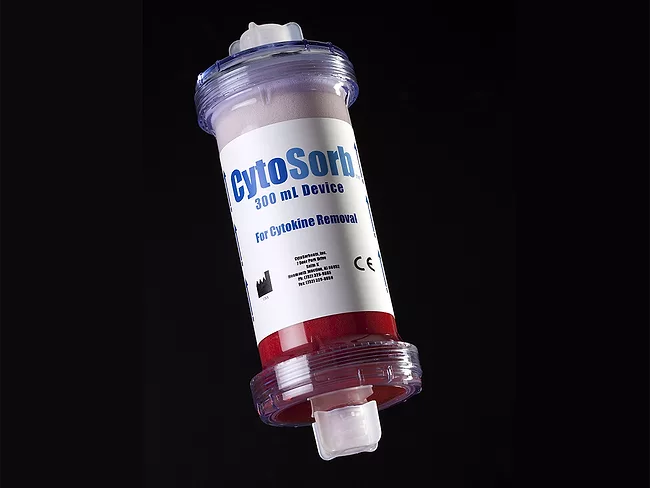
After a long approval process, Monmouth Junction N.J.-based Cytosorbents Corp. received clearance to bring its Cytosorb blood purification technology to treat cytokine storm and deadly inflammation in critically ill and cardiac surgery patients, to the Mexican market. The COVID-19 pandemic may delay marketing plans to roll-out the product in the Latin American country.
The U.S. FDA continues to modify its emergency use authorization (EUA) policy for testing for the SARS-CoV-2 virus, although workplace testing is still on the agency’s to-do list. The FDA’s Tim Stenzel noted on a May 6 briefing that serological tests for antibodies must now demonstrate an overall sensitivity of 90% and overall specificity of 95%, a set of standards that might challenge some tests that are available under the EUA policy.