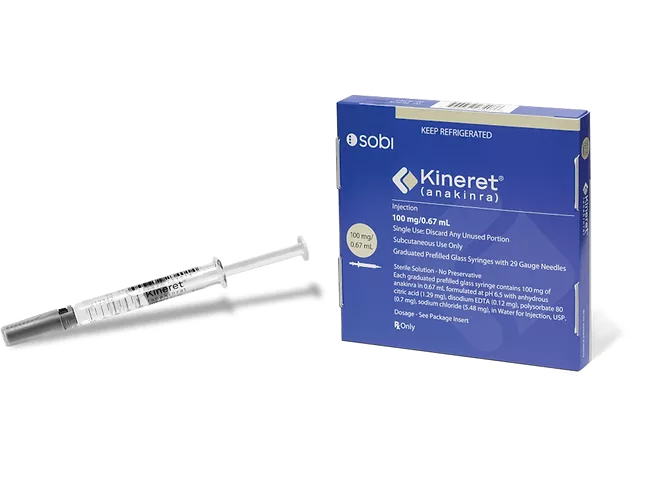
New research has identified a novel receptor that interacts with the angiotensin-converting enzyme 2 (ACE2) by which the SARS-CoV-2 enters host cells, and shown it can be inhibited with marketed drugs, reducing expression of ACE2 and blocking viral entry.
The U.S. Office of Inspector General examined the volume of tests for allergies and respiratory pathogens conducted during the COVID-19 pandemic, and found a few outlier testing labs that billed a conspicuous volume of such tests. While the agency recommended that the CMS examine these claims more closely, the results also suggest that enforcement action may be en route for the more than 160 labs identified as having filed a higher than typical volume of claims for these tests.
China recently approved four COVID-19 vaccines for emergency use in a span of two days. The nods were granted to Clover Biopharmaceuticals Ltd., Sinocelltech Group Ltd., Beijing Wantai Biological Pharmacy Enterprise Co. Ltd. and Westvac Biopharma Co. Ltd. There is still no mRNA vaccine approved in the country.
Tetra Bio-Pharma Inc. has reported results from a study of ARDS-003 (onternabez) combined with favipiravir against acute respiratory distress syndrome (ARDS), sepsis and COVID-19 through PREPAiRE, an artificial intelligence (AI)-powered platform which integrates target identification, validation, lead discovery optimization, drug synthesis and preclinical testing.
Pfizer Inc. and Clear Creek Bio Inc. have entered into a research collaboration and exclusive license agreement to advance the discovery and development of potential inhibitors of the SARS-CoV-2 papain-like protease (PLpro) for the oral treatment of COVID-19.
The Coalition for Epidemic Preparedness Innovations (CEPI) has expanded its partnership with VBI Vaccines Inc. to advance the development of multivalent coronavirus vaccines that could be deployed against COVID-19 and possible future coronaviruses with pandemic potential, referred to as coronavirus X.
The world is emerging from the COVID-19 pandemic, as both cases and deaths have remained consistently low in recent months, despite continuous mutation of the SARS-CoV-2 virus. Nevertheless, there is a shuffling of candidates in the arsenal as new variants bump once-effective therapies and the next generation of options enter the arena.
Investigators at the University of Bristol and Biognos AB have identified a structural feature that distinguished the deadly coronavirus strains from harmless, common cold-causing variants. The findings, which were published in the Nov. 23, 2022, issue of Science Advances, could form the basis of universal COVID antivirals, putting an end to the endless race to deal with new variants that has so far been a necessity.
The world is emerging from the COVID-19 pandemic, as both cases and deaths have remained consistently low in recent months, despite continuous mutation of the SARS-CoV-2 virus. Nevertheless, there is a shuffling of candidates in the arsenal as new variants bump once-effective therapies and the next generation of options enter the arena.
Quantbiores A/S has discovered peptides acting as spike glycoprotein (S) (SARS-CoV-2)/ACE2 interaction inhibitors reported to be useful for the treatment of severe acute respiratory syndrome coronavirus 2 (SARS-CoV-2) infection (COVID-19).