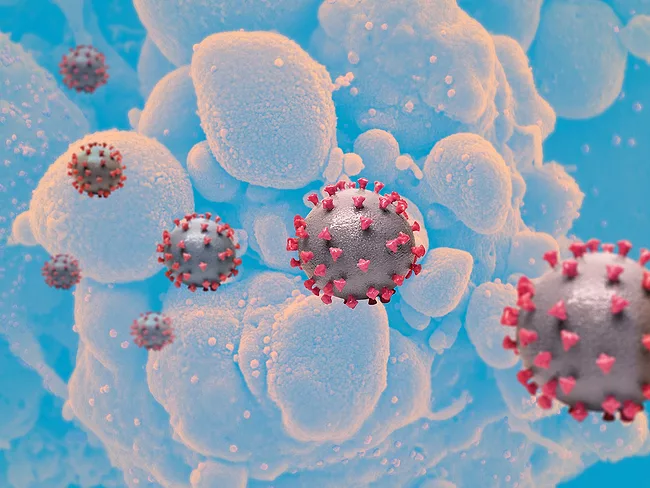
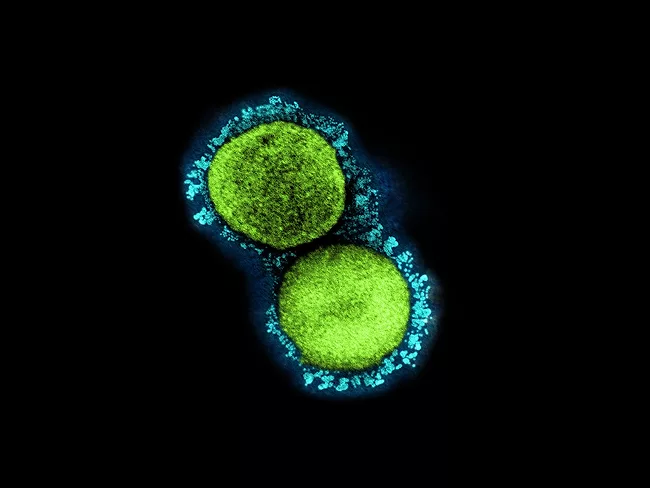
A live-attenuated vaccine targeting SARS-CoV-2 infection, which can be administered through the nose, has shown promise in preclinical animal studies carried out by researchers in Berlin. In an article published April 3, 2023, in Nature Microbiology, the authors reported that the COVID-19 vaccine candidate – sCPD9 – triggered the most robust immune response in a hamster model when compared with Biontech/Pfizer’s mRNA vaccine BNT162b2 and Ad2-Spike.
COVID-19 complications involve activated T cells that contribute to inflammation. Foralumab, a fully human anti-CD3 monoclonal antibody, targets the T-cell receptor and regulates T-cell function to suppress inflammation. In a pilot trial, foralumab reduced lung inflammation, serum IL-6 and C-reactive protein in cases of moderate COVID-19.
UT-Battelle LLC has divulged covalent nonstructural protein 3 (nsp3; PLpro) (SARS-CoV) inhibitors reported to be useful for the treatment of coronavirus acute respiratory syndrome.
Current prophylactic and therapeutic approaches for SARS-CoV-2 are effective, but the need for new approaches with broad activity makes virus-host interactions an essential piece to look at.
For COVID-19, the limited durability of vaccines requires multiple injections, and their effectiveness is continuously challenged by emerging new spike variants of the virus. The SARS-CoV-2 main protease Mpro plays a role in major polyprotein processing events and is essential for viral replication.
Pardes Biosciences Inc. has patented 3C-like proteinase (3CLpro; Mpro; nsp5) (SARS-CoV-2; COVID-19 virus) inhibitors reported to be useful for the treatment of viral infections.
Exevir Bio BV has announced research detailing a novel, highly potent, anti-S2 camelid single-domain antibody, discovered at the VIB-Ugent Center for Medical Biotechnology, and developed as a candidate drug molecule by Exevir as XVR-013.
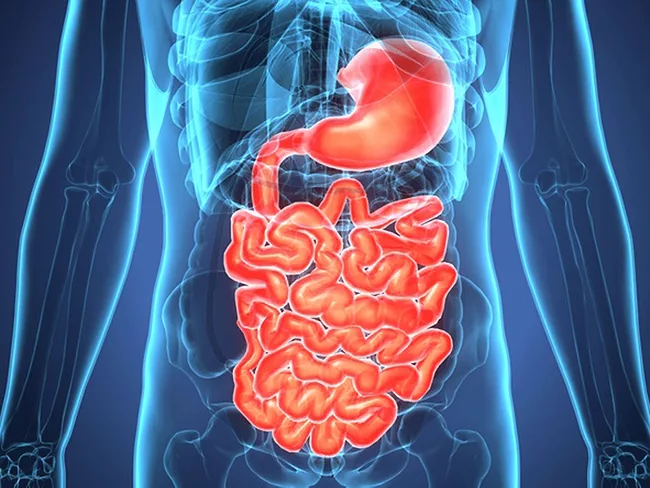
Researchers from Case Western Reserve University presented data from a study that aimed to investigate gut integrity, oxidized lipids and inflammatory markers associated with the pathogenesis of post-acute sequelae of COVID-19 (PASC).