Ebenbuild GmbH is hoping that its digital twin technology platform that combines AI and physics-based computational models tailored to individual patients will transform respiratory care. From drug development to optimizing mechanical ventilation in critical care, the company’s software-based solutions aim to reveal what is happening in the ‘black box’ of the lungs, helping clinicians to improve outcomes and reduce mortality.
Acute respiratory distress syndrome (ARDS) is a life-threatening pulmonary condition marked by intense inflammation, alveolar damage and fluid accumulation in the lungs, often leading to respiratory failure. In a study recently published in Translational Research, researchers aimed to develop a more physiologically relevant model by combining two major ARDS contributors: gastric acid aspiration and ventilator-induced lung injury.
Latest findings on Healios K.K.’s stem cell therapy to treat acute respiratory distress syndrome (ARDS), coined Multistem (invimestrocel; HLCM-051), found the regenerative medicine effective in reducing the number of patient days on ventilator treatment, as well as mortality benefits.
Latest findings on Healios K.K.’s stem cell therapy to treat acute respiratory distress syndrome (ARDS), coined Multistem (invimestrocel; HLCM-051), found the regenerative medicine effective in reducing the number of patient days on ventilator treatment, as well as mortality benefits.
The EMA has changed its mind about an earlier decision that the risks of Leqembi (lecanemab) outweigh the benefits and is now recommending the Alzheimer’s disease drug is approved for a subgroup of patients. That follows an appeal by Eisai Co. Ltd. and a re-examination of the data, after details relating to 274 patients with two copies of the ApoE4 gene were removed from the file.
Excessive inflammatory response and endothelial barrier dysfunction are the two major pathophysiological changes in acute respiratory distress syndrome (ARDS). Sphingosine-1-phosphate S1P3 receptor (S1PR3) is a G protein-coupled receptor involved in the regulation of inflammation and vascular barrier function in some diseases, but its function in ARDS is not fully understood.
Acute respiratory distress syndrome (ARDS) is a multifactorial disease, the pathogenesis of which involves environmental exposure and genetic predisposition.
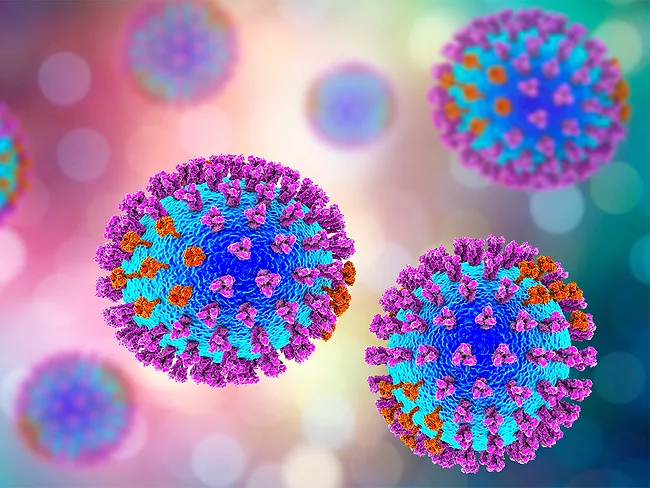
An enzyme that activates cell death could be targeted to avoid the inflammation and lung lesions caused by influenza A virus (IAV). A collaborative study demonstrated that an inhibitor of receptor-interacting serine/threonine-protein kinase 3 (RIPK3) blocked necroptosis in infected alveolar epithelial cells and prevented the consequences in the lungs of severe disease.
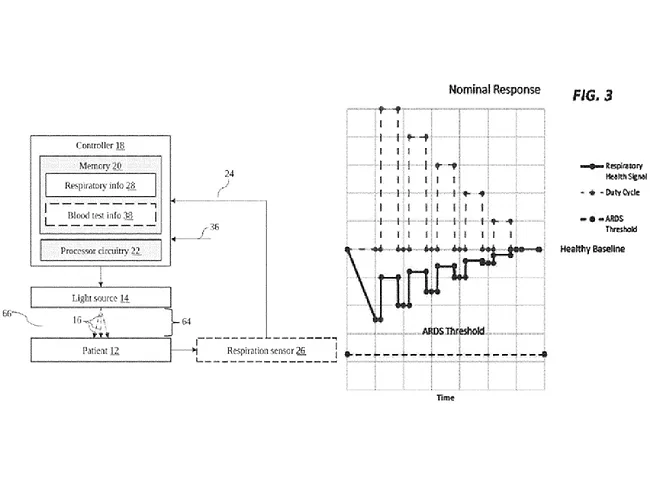
Lumitex Inc. seeks patent protection for a phototherapeutic apparatus for treating inflammatory conditions, with a particular focus on treating acute respiratory distress syndrome.