News out of the Heart Rhythm Society 2024 meeting May 16-19 highlighted the rapid disruption pulsed field ablation (PFA) devices have wrought in cardiac arrhythmia treatment, so it is little surprise to see that PFAs are among the top five technologies with transformative potential identified by Clarivate plc in its Medical Technologies to Watch in 2024 report. The impact of the other four – continuous glucose monitors (CGM) for diabetes, neurostimulation devices, surgical robotics and renal denervation – has been just as revolutionary, if longer in being realized.
Despite the ongoing war, speakers at Biomed Israel this week reported that business and investment in Israel’s med-tech industry continues largely unchanged.
Boston Scientific Corp. is hoping to help change European guidelines on the use of intravascular imaging during percutaneous coronary intervention procedures, Emile Mehanna, medical affairs and medical education director, interventional cardiology, EMEA, told BioWorld.
News out of the Heart Rhythm Society 2024 meeting May 16-19 highlighted the rapid disruption pulsed field ablation (PFA) devices have wrought in cardiac arrhythmia treatment, so it is little surprise to see that PFAs are among the top five technologies with transformative potential identified by Clarivate plc in its Medical Technologies to Watch in 2024 report. The impact of the other four – continuous glucose monitors (CGM) for diabetes, neurostimulation devices, surgical robotics and renal denervation – has been just as revolutionary, if longer in being realized.
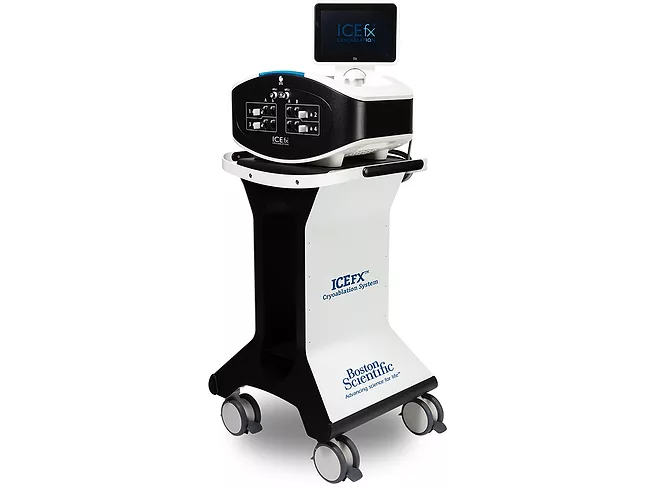
The major players in electrophysiology – Boston Scientific Corp., Johnson & Johnson, Medtronic plc, Abbot Laboratories – showed up in force at the 2024 Heart Rhythm Society annual meeting in Boston May 16-19 to tout their pulsed field ablation devices and study results.
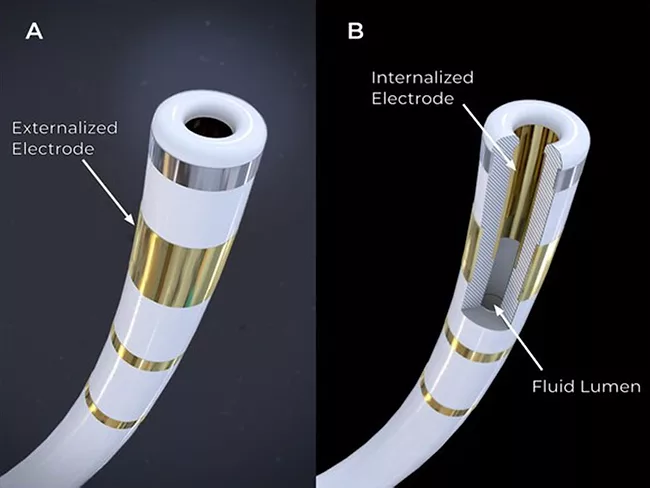
Pulsed field ablation dominated the news out of the Heart Rhythm Society meeting this week with three late-breaking studies highlighting the safety and efficacy of the technology replacing thermal ablation for treatment of atrial fibrillation and active discussion of the ‘unprecedented’ growth of these procedures. Boston Scientific Corp’s Farapulse is rapidly building dominance in the field, while results from Johnson & Johnson’s Varipulse study and Medtronic plc’s trial of the Affera system set up those companies for U.S. FDA approval later this year.
Field Medical Inc. kicked off its first-in-human study for its Fieldforce ablation system, designed for use in ventricular arrhythmias. The Ventricular Catheter Ablation Study study will enroll 60 patients in five centers around the world, most recently kicking off in the Na Homolce Hospital in Prague, Czech Republic.
Medtronic plc said it secured U.S. FDA approval for its first closed-loop spinal cord stimulator (SCS), designed to take in signals from the body and adjust its therapy automatically.
In its first quarter earnings call, Boston Scientific Corp. reported 72% global sales growth in its electrophysiology division, for $300 million, bolstered by surging sales of its recently debuted Farapulse pulse field ablation system, which the company received U.S. FDA approval for in Janua.
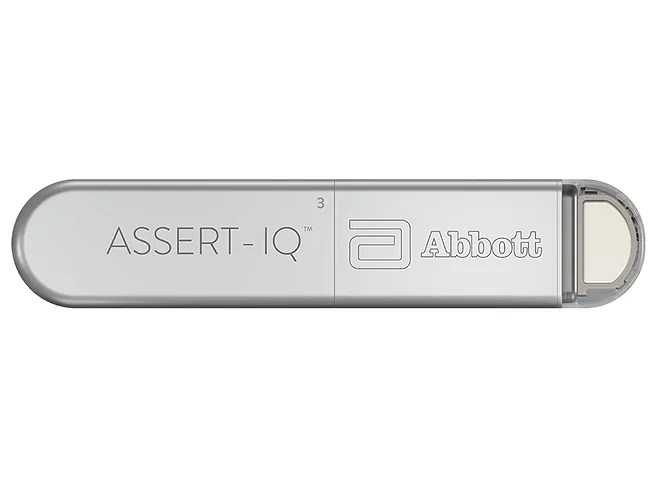
Abbott Laboratories landed CE mark for two versions of its Assert-IQ insertable cardiac monitor (ICM), one with a three-year battery life, the other lasting six years. Designed for long-term remote monitoring of individuals with abnormal heartbeats or at risk of developing arrhythmias, the device helps detect often-fleeting irregularities in heart rhythm to assist in diagnosis and care management.