Boston Scientific Corp. reported the U.S. launch of its Directsense technology, a tool to aid electrophysiologists in measuring tissue response to radiofrequency (RF) waves during cardiac ablation procedures. Approved by the FDA in April, the technology is available on the company’s Rhythmia HDx mapping system.
The Medicare inpatient draft is always an event due to its impact on medical technology. Now, several products soon may see their new technology add-on payments (NTAP) expire because of eligibility. The Centers for Medicare and Medicaid Services (CMS) said both Claret Medical Inc.’s Sentinel embolic protection device and Procept Biorobotics Corp.’s Aquabeam device have used up their NTAP eligibility, and hospitals may see lower rates for using those devices starting Oct. 1
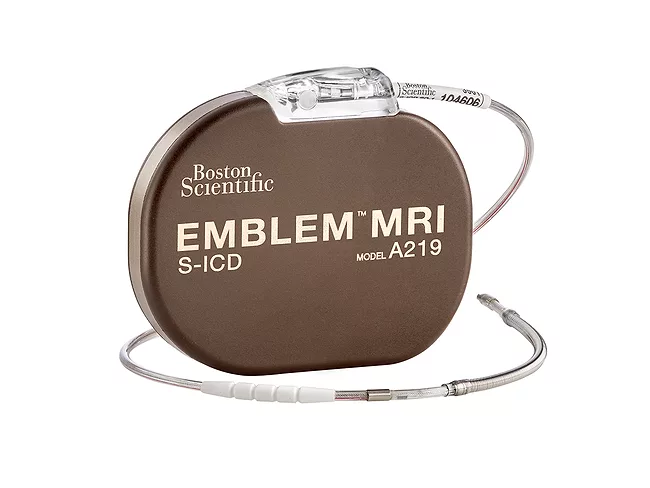
Boston Scientific Corp. reported positive results for its Emblem subcutaneous implantable defibrillator (S-ICD) system and next-generation Watchman Flx left atrial appendage closure (LAAC) device at the Heart Rhythm Society scientific sessions, which were online only this year due to the COVID-19 pandemic.
Keystone Heart Ltd., of Caesarea, Israel and Tampa, Fla., scored a win in Europe after obtaining the CE mark for the Triguard 3 cerebral embolic protection (CEP) device. It is designed to minimize the risk of cerebral damage by deflecting embolic debris away from cerebral circulation during transcatheter aortic valve implantation (TAVI) and other transcatheter heart procedures. According to the company, the device is the only product with a CE mark designed to cover and protect all three major cerebral aortic arch vessels.
SAN JOSE, Costa Rica – Two decades ago, the Costa Rican economy was basically an agriculture-based economy. Since then, the tiny Central American country has emerged as the second-largest med-tech exporter in the region as well as an eager partner and supplier of skilled manpower.
BOGOTA, Colombia – The Latin American med-tech sector is moving steadily toward 3D printing solutions to speed up production and cut costs in specific sub-sectors, such as orthotic devices. A case in point is Prothesia, of Monterrey, Mexico.
While the disappearing drug-eluting stent seems to have faded from view for the time being, several manufacturers have invested in fabrication of drug-eluting stents with polymers that absorb once the drug of elution has done its work. A new study indicates that patients who have already had a myocardial infarction fare better on stents made with these biodegradable polymers, an outcome that may soon push second-generation DES devices into med-tech history.
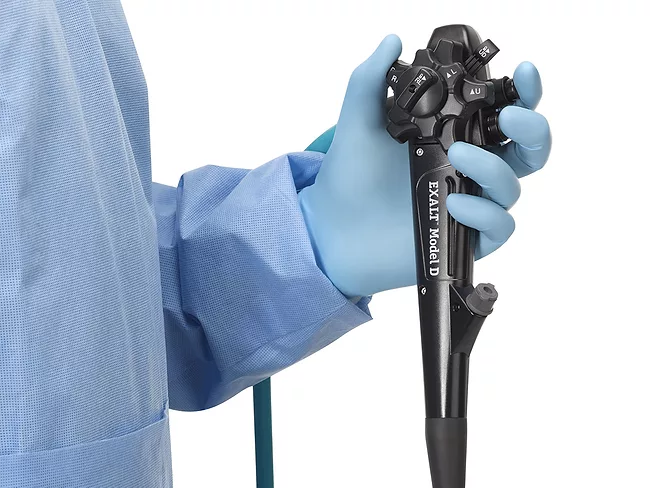
Boston Scientific Corp., of Marlborough, Mass., has won the U.S. FDA’s nod for the Exalt Model D single-use duodenoscope for use in endoscopic retrograde cholangiopancreatography (ERCP) procedures. It is the first single-use duodenoscope on the market and earlier secured breakthrough device designation. “Unlike duodenoscopes that are used on multiple patients, a fully disposable duodenoscope doesn’t need to be reprocessed, eliminating the risk of potential infection due to ineffective reprocessing,” said Jeff Shuren, director of the FDA’s Center for Devices and Radiological Health.
The Watchman left atrial appendage device, distributed by Marlborough, Mass.-based Boston Scientific Corp., holds a unique place in the annals of med tech regulation, but 50-month data from two registries show a lower rate of hemorrhagic stroke than previously reported for the device.
SAN JOSE, Costa Rica – 3D printing has emerged as a source of tangible solutions to multiple challenges facing the medical technology industry, and some of the largest companies in the space are already looking at and using this rapidly evolving technology. Med-tech manufacturer Boston Scientific Corp., for instance, is using 3D printing across multiple plants around the world, including its two manufacturing facilities in Costa Rica.