BioWorld’s 2022 end-of-year highlights included a toast to the future – of universal vaccines. Even before SARS-CoV-2 vaccines were developed in record time and saved countless lives during the COVID-19 pandemic, vaccines were a rare bright spot in the fight against infectious diseases. Bacteria are becoming multidrug resistant far faster than new classes of antibiotics are being developed, viral spillover events and vector ranges are increasing, and climate change is helping bacteria and fungi alike breach human thermal protections against infections.
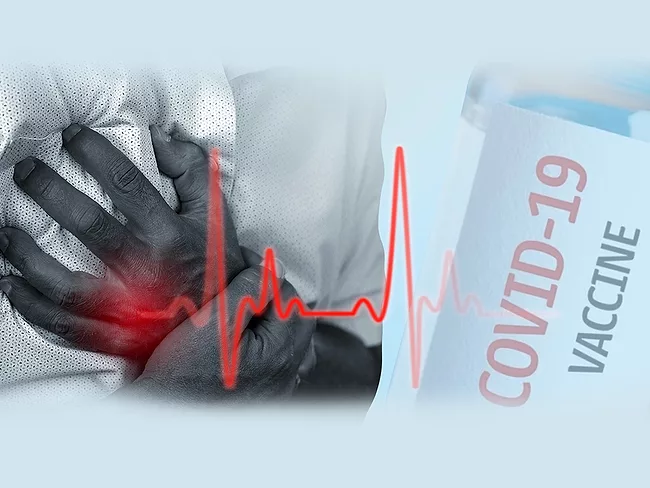
The cardiomyositis that is a rare adverse effect of mRNA-based COVID vaccines is due to immune cell activity as a result of increased levels of the chemokines CXCL10 and interferon-γ (IFN-γ). Blocking CXCL10 and IFN-γ could prevent muscle cell damage in cell culture, and cardiomyositis in animal models. The findings, reported in the Dec. 10, 2025, issue of Science Translational Medicine, suggest a way of mitigating the risk of cardiomyositis.
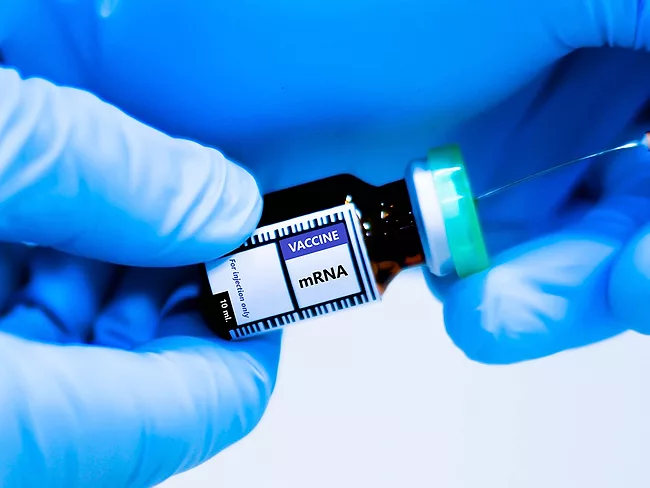
When Robert Kennedy Jr. announced the cancellation of 22 projects related to mRNA vaccines and the end of new investments in that technology, the U.S. Secretary of Health only mentioned their use against respiratory viruses, without referring to other applications. The vaccines whose safety and effectiveness Kennedy is questioning are based on the same molecular principles as cancer vaccines under development. “Continued investment in mRNA technology is essential to fully realize its potential in oncology and ensure that promising strategies like neoantigen-based vaccines reach clinical application.” Kazuhiro Kakimi, professor at the Department of Immunology at Kindai University Faculty of Medicine, told BioWorld.
An ongoing concern for scientists is that there will be across-the-board funding cuts. This is already happening in mRNA research, where reductions affected coronavirus-related projects. During the pandemic, efforts focused on this pathogen, and once the health emergency was over, grants for antivirals were eliminated. However, these drugs could stem future outbreaks. Despite the cuts, recent research continues to demonstrate the potential of mRNA, not only for the development of antivirals, but also for obtaining more effective and longer-lasting vaccines.
In August, a press release from HHS announced the cancellation of 22 vaccine research projects based on mRNA, the latest available technology aimed at developing therapies for viral infections, cancer, and genetic conditions. What happens to mRNA innovation when funding dries up? This series explores how reductions in funding could impact mRNA technology, affecting innovation, research and future therapies.
Avixgen Co. Ltd., a subsidiary of Dx&Vx Co. Ltd., inked a $360 million license agreement with an unidentified U.S.-based biotechnology company, granting the latter rights to its advanced cell penetrating (ACP) peptide drug delivery platform.
Cancel culture continues at the U.S. Department of Health and Human Services (HHS) as it observes National Immunization Awareness Month with another strike against vaccines. This time, a $500 million strike specifically targets 22 mRNA vaccine R&D programs at the Biomedical Advanced Research and Development Authority (BARDA), marking the beginning of the end of BARDA’s funding for mRNA vaccines.
SML Biopharm Co. Ltd. is harnessing mRNA technology to develop novel immunotherapy-based cancer vaccines, including two candidates for cervical and head and neck cancers caused by human papillomavirus (HPV) infection.
Shanghai Circode Biomed Co. Ltd. is set to begin clinical trials of HM-2002, a circular RNA (circRNA)-based drug for ischemic heart disease, having gained IND clearance in China Jan. 10 and the U.S. on May 30, Circode CEO Chenxiang Tang recently told BioWorld.