Cyclins and cyclin-dependent kinases (CDKs) regulate the activity of E2F and Rb to drive cell cycle progression. Disrupting this interaction has shown lethality in cancer cells harboring alterations that lead to higher expression of E2F1.
Mixed results for three of Bicycle Therapeutics plc’s zelenectide pevedotin development programs preceded a strong drop in the company’s stock. Bicycle shares (NASDAQ:BCYC) dropped 31.3% on Dec. 13 to close at $13.81 each, the stock’s lowest price in the past 12 months.
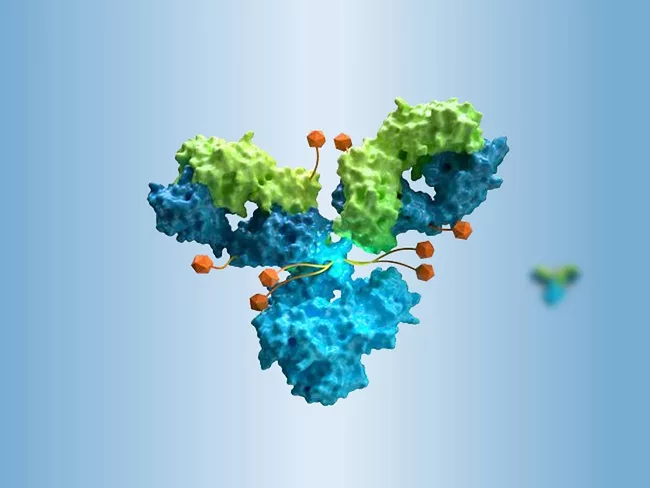
Sichuan Kelun-Biotech Biopharmaceutical Co. Ltd. won local approval of the first China-made trophoblast cell-surface antigen 2 (TROP2)-targeted antibody-drug conjugate (ADC), sacituzumab tirumotecan, as a third-line therapy for advanced breast cancer.
Sichuan Kelun-Biotech Biopharmaceutical Co. Ltd. won local approval of the first China-made trophoblast cell-surface antigen 2 (TROP2)-targeted antibody-drug conjugate (ADC), sacituzumab tirumotecan, as a third-line therapy for advanced breast cancer.
Nonselective poly(ADP-ribose) polymerase (PARP) inhibitors have shown antitumoral activity, but they are tied to hematotoxicity, most probably due to PARP2 inhibition. Instead, selective PARP inhibitors retain antitumoral activity without risking PARP2-related toxicity.
Researchers from Vrise Therapeutics Inc. and Vegen Therapeutics Pvt Ltd. presented preclinical data for VRTX-531, an allosteric inhibitor of ubiquitin carboxyl-terminal hydrolase 1 (USP1), being developed for the treatment of cancer.
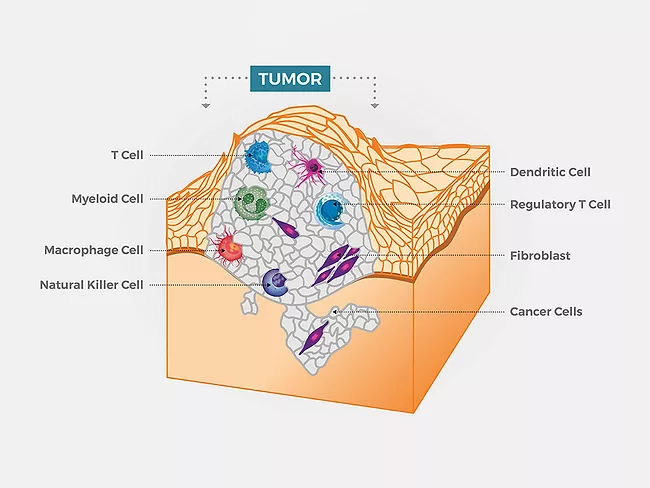
Investigators at Nanjing Medical University and The University of Texas MD Anderson Cancer Center recently published data from their research that aimed to identify novel immunotherapy targets in triple-negative breast cancer (TNBC).
Ichnos Glenmark Innovation (IGI) has announced a cooperative research and development agreement (CRADA) with the National Cancer Institute (NCI) to evaluate IGI’s selective, orally active Casitas B-lineage lymphoma b (Cbl-b) inhibitor GRC-65327.
Lantern Pharma Inc. has presented new data on their novel acylfulvene compound LP-184 as a DNA-damaging agent that induces DNA double-strand breaks (DNA DSBs) in cancer cells and may activate immune responses by activation of the cGAS/STING pathway.