Researchers from National Cheng Kung University and affiliated organizations have presented the discovery and preclinical evaluation of novel pyrazole derivatives that inhibit the neutrophil signaling pathway, to be developed for the treatment of inflammation.
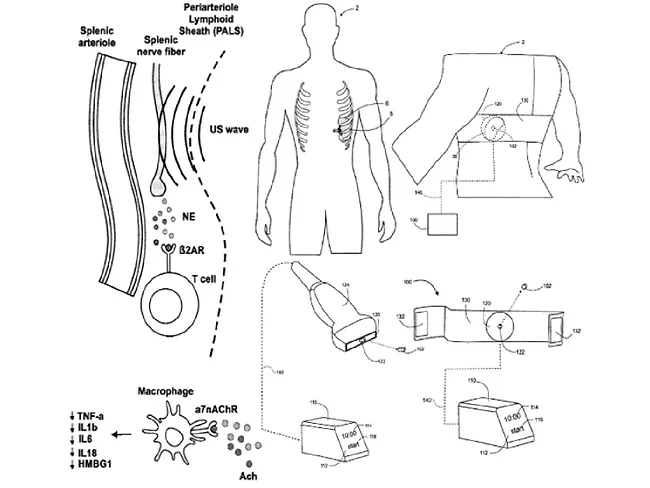
Researchers from Stanford University seek patent protection for an ultrasound-based device which converts electrical energy into acoustic energy to treat inflammatory disorders. The neuromodulator device targets the cholinergic anti-inflammatory pathway (CAP), which regulates the innate immune response to injury, pathogens, and tissue ischemia.
Psychiatric indications, such as depression, schizophrenia and bipolar disorder, share a common feature of elevated expression of pro-inflammatory markers in the periphery and/or central nervous system. Based on this, it is believed that combined immuno- and neuromodulatory activities of phosphodiesterase 4 (PDE4) inhibitors may represent a promising new therapeutic strategy for various psychiatric indications.
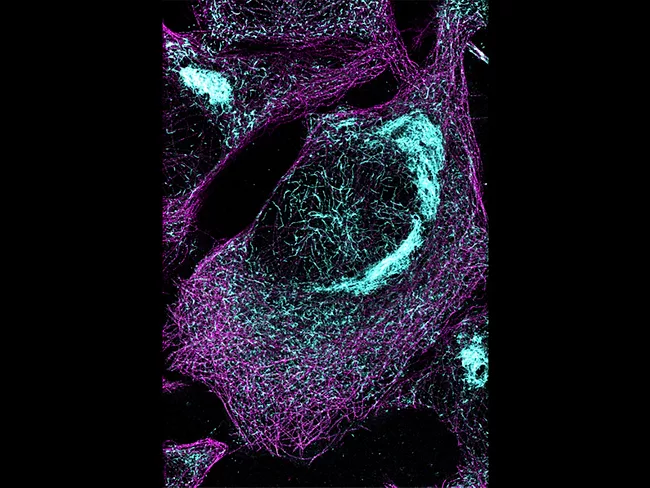
REV-ERBα (NR1D1) is a circadian transcriptional repressor that plays a role in the regulation of lipid metabolism and macrophage function, and the global deletion of REV-ERBα has been previously linked to increased microglial activation and mitigation of amyloid plaque formation. In the current study, researchers from Washington University in St Louis and affiliated organizations aimed to explore the cell-autonomous effects of microglial REV-ERBα on tau pathology.
Researchers from the University of Florida have published preclinical data for the novel indoleamine 2,3-dioxygenase (IDO) and galectin-3 (Gal3) fusion protein (IDO-Gal3), being evaluated for the treatment of osteoarthritis (OA).
Obesity is known to be associated with metabolic and cardiovascular disorders such as insulin resistance, type 2 diabetes, hypertension, or heart failure, all presenting a chronic low-grade inflammatory component. The activation of the NLRP3 inflammasome pathway appears to be linked to the development of cardio-metabolic diseases.
Tumor necrosis factor-α (TNF-α) is a cytokine involved in the regulation of inflammation in several autoimmune and inflammatory disorders such as rheumatoid arthritis, ulcerative colitis, or psoriasis. Anti-TNF biological treatments in place are effective but there is a need for alternatives with novel pharmacological profiles to overcome their limitations.
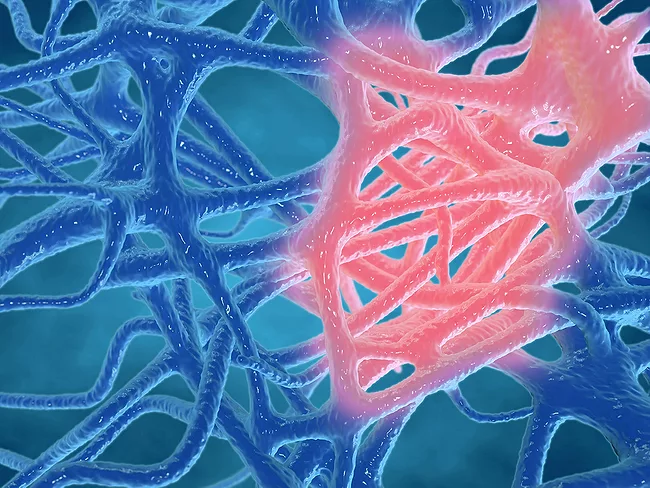
Recent studies suggest that neutrophils are not only involved in the innate immune response but also may play extended roles in chronic inflammatory disorders and adaptive immune responses as well.
Natural compounds derived from quinoline and isoquinoline have gained significant attention due to their remarkable biological properties, encompassing antibacterial, anticancer and anti-inflammatory activities. Meanwhile, pyrazoles, a prominent class of heterocyclic compounds, exhibit a wide range of biological and pharmaceutical properties.