PARIS – Aleva Neurotherapeutics SA reported the first successful implantation of its Directstim directional deep brain stimulation (DBS) system into a patient suffering from Parkinson’s disease. The procedure involving this new generation of active brain device was performed by neurosurgeon Stephan Sobottka, from the Clinic for Neurosurgery at the University Hospital Carl Gustav Carus in Dresden, Germany.
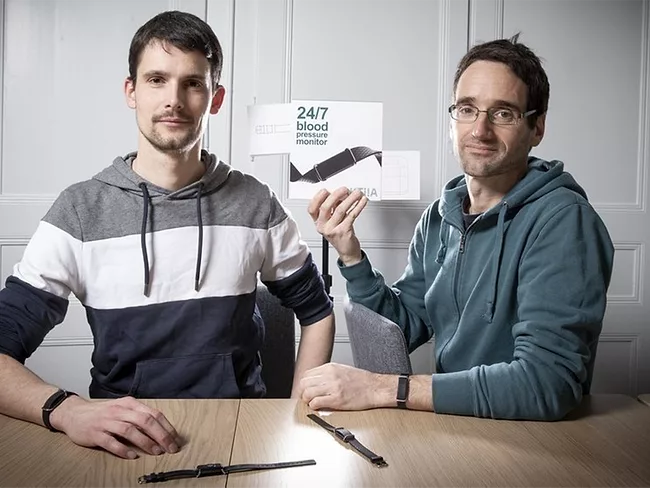
Aktiia SA’s cuff-less blood pressure monitor – a connected optical system for continuous monitoring – has launched in Austria, France, Germany, Ireland, U.K. and Switzerland. Aktiia’s monitor is a bracelet that includes a photoplethysmography sensor with a silicon diode receptor capable of measuring the pulse to within an accuracy of ±5 beats per minute, a communication module and a rechargeable lithium-ion battery.
The official compliance date for the European Union’s Medical Device Regulation (MDR) is now officially in force after a delay of two years. One of a number of unfortunate side effects is that the mutual recognition agreement (MRA) between the EU and the Swiss government has lapsed, and the European Commission has indicated that the two sides have not come to terms over the impasse.
PARIS – Readily3d SA has been awarded just under $600k by the European Union to develop a living model of the pancreas using its Tomolite 3D bioprinting technique. The European program, Enlight, boasts a total budget of $4.4 million provided by the European Innovation Fund 2020.
DUBLIN – In keeping with the record-breaking year for biotech fundraising across the globe, the Swiss biotech sector also scaled new heights in 2020, with aggregate investment of CHF3.4 billion (US$3.7 billion), according to the newly published Swiss Biotech Report 2021. It represents almost a threefold increase on the CHF1.2 billion total it logged in 2019.
A threat is currently hanging over the Swiss medical device industry, which is heavily reliant on trade with the EU. Upcoming changes to the CE marking regime will have the effect of making the mutual recognition agreement (MRA) obsolete. This currently allows Switzerland to enjoy unrestricted access to the medical device market in the 27 member states. Up until now, this bilateral agreement has regulated trade between Switzerland and the EU.
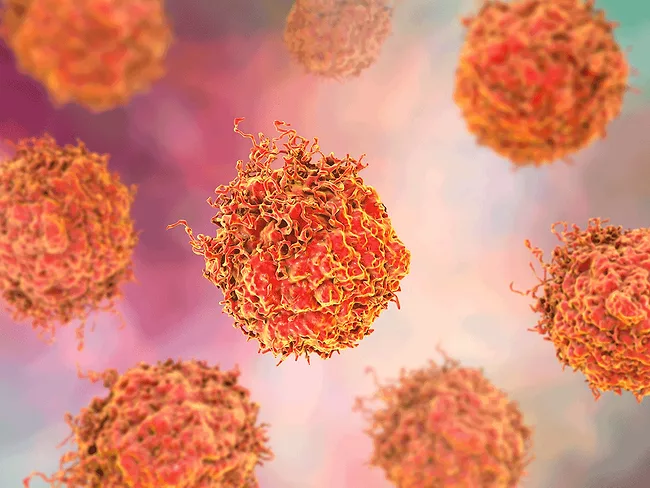
A Swiss diagnostics company is looking to tap into China’s vast patient pool to validate its diagnostic test for prostate cancer. Schlieren-based Proteomedix AG inked a partnership with Zhengzhou University Henan Cancer Hospital in China to validate its Proclarix diagnostics test in the local population.
According to the Swiss association for medical technology companies, Swiss Medtech, introducing the new European regulations for medical devices (MDR) and in vitro diagnostics (IVDR) is going to have serious consequences for the sector in Switzerland. This Swiss trade association has just published its biannual survey as part of the 2020 sector study on the Swiss medical technology industry (SMTI).
DUBLIN – The Swiss biotech sector raised about CHF1.2 billion ($$1.2 billion) in equity investment in 2019, a significant downward dip on the last two years, but well ahead of its average annual raise of CHF800 million over the past decade, according to the newly published Swiss Biotech Report 2020.