Industry may still be less than fond of the failure of the term “recall” to distinguish between corrections and market withdrawals, but the class I recall of the Insulet Omnipod 5 app for Android smartphones is a correction of some importance. This recall, one of the first to be announced by the FDA in 2024, addresses a software problem that could lead to overdose of insulin, a potentially lethal problem for which the company has already provided a fix.
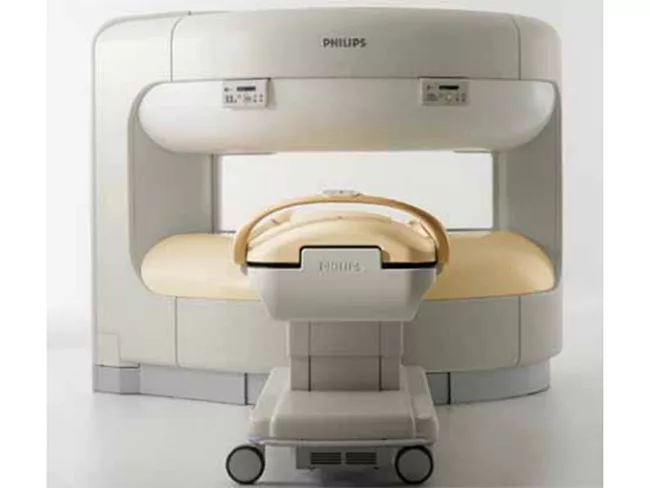
More bad news on the recall front for Royal Philips NV, as the U.S. FDA this week categorized the company’s voluntary recall of its Panorama 1.0T HFO open magnetic resonance (MR) system as a class I action. Class I recalls indicate the “use of the devices may cause serious injuries or death,” the FDA noted.
Philips Respironics Inc.’s nightmares with its Dreamstation continuous positive airway pressure (CPAP) line of products continued with a fresh warning from the U.S. FDA of reports involving thermal issues with a newer iteration of the machine, some of which cited patient injuries.
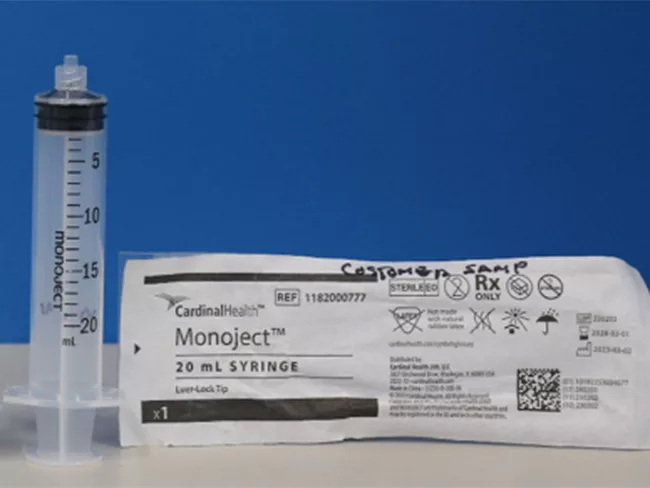
The U.S. FDA advises health care providers (HCPs) to avoid using Monoject syringes distributed by Cardinal Health with syringe pumps or patient-controlled analgesia (PCA) pumps because of incompatibilities between the Monoject interface and the pumps.
Olympus Corp., of Center Valley, Pa., reported Nov. 9 a voluntary field corrective action for bronchoscopes prompted by complaints of endobronchial combustion during procedures that involve the use of high-frequency (HF) therapy equipment.
Olympus Medical Corp. instituted a class I recall of its UHI-4 high flow insufflation device due to reports that the device may over-inflate and potentially create embolisms. The recall affects more than 3,100 units distributed in the U.S. between May 2012 and August 2023, all of which should not be used until the company resolves the problem.
Australia’s Therapeutic Goods Administration (TGA) posted a Sept. 6 hazard alert for the Scandinavian Total Ankle Replacement (STAR) device by DJO Global, a subsidiary of Wilmington, Del.-based Enovis Corp. TGA said the polyethylene insert used to eliminate friction between the device’s moving parts has demonstrated a higher-than-expected fracture rate, and that the device has been delisted from the Australian Register of Therapeutic Goods (ARTg).
Amsterdam-based Royal Philips NV reported that it has come to terms with customers and end users of its respiratory equipment to the tune of $479 million, which will reimburse for the cost of these systems. The problem for the company is that the settlement does not affect any personal injury cases, and thus represents only a partial closure of a controversy that has dogged the company for several years.
Recalls are a fact of life in the medical technology space, and Medtronic plc and Quidel Cardiovascular Inc., have both been forced to report class I recalls. Dublin-based Medtronic announced a recall of more than 348,000 cardiac electrophysiology devices due to issues that could prevent high-voltage therapy while San Diego-based Quidel is recalling nearly 7,800 Triage cardiac panels because of a risk of false negatives for patients being assessed for an infarct.
The Vanta device by Medtronic plc, provides relief from pain for thousands of patients, but the Vanta might also feel the pain when the patient is undergoing cardioversion. According to a field safety notice from Dublin-based Medtronic, two patients in Europe have undergone explant procedures for the device due to damage sustained during cardioversion, but the company urges physicians to pay heed to the labeled indication, which recommends that the device be temporarily reprogrammed to reduce the risk of damage to the device, an action that Medtronic indicated should ward off any such issues.