Device recalls may seem an ordinary fact of life, given that some are declared for reasons as innocuous as a change of labeling, but the five device recalls announced by the U.S. FDA April 24 and 25 include one product withdrawal. The recall for the Nimbus series of infusion pumps and administration sets by Infutronix LLC cited instances in which patients were subjected to out-of-specification analgesia flow rates, and the company has seen fit to remove the existing inventory from the market.
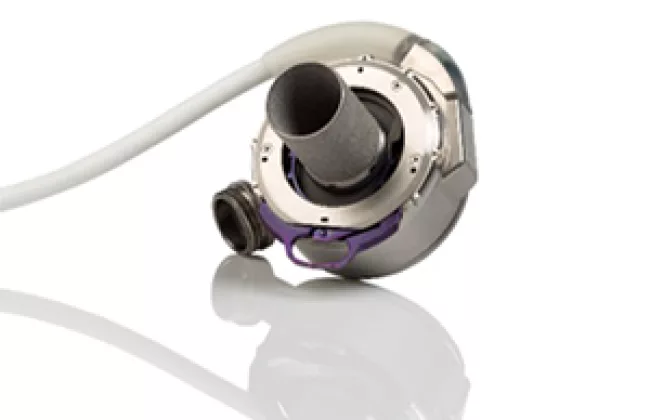
The long-term use of ventricular assist devices is becoming a problem for at least some of these devices, as demonstrated by the recall of the Heartmate II and Heartmate 3 devices by Abbott Laboratories’ Abbott Vascular division due to obstruction of the outflow graft used to attach the device to the human heart.
The U.S. FDA and Department of Justice have announced a consent decree entered into district court that enjoins Philips Respironics LLC North America from manufacturing and distributing respiratory devices from three company facilities in the state of Pennsylvania.
The U.S. FDA announced a class I recall of single-use neurovascular guide catheters made by Medos International Sarl SA of Neuchatel, Switzerland, because of fractures in the device’s distal catheter shaft. The FDA stated that the issue, seen in the company’s Cerebase DA line of guide sheaths, has led Medos to recommend that customers quarantine any of the affected devices, although a root cause has not yet been identified.
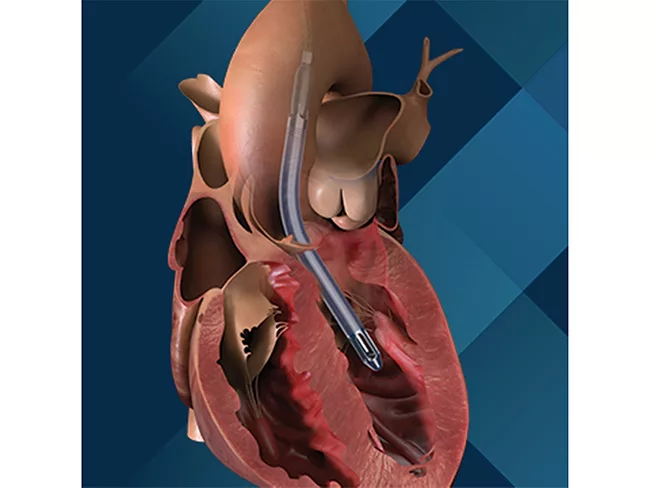
The U.S. FDA posted notice of a medical device correction of Abiomed Inc.'s Impella series of left-side blood pumps because of the risk of perforation of the left ventricle during device placement. The FDA noted that it has received 129 reports of serious injury and 49 reports of fatalities associated with these devices, but did not indicate whether device malfunction was the source of these adverse events. Abiomed advises customers that the device should be implanted “with special care” in patients during active cardiopulmonary resuscitation, and to review some updated warnings in the product’s instruction for use statement.
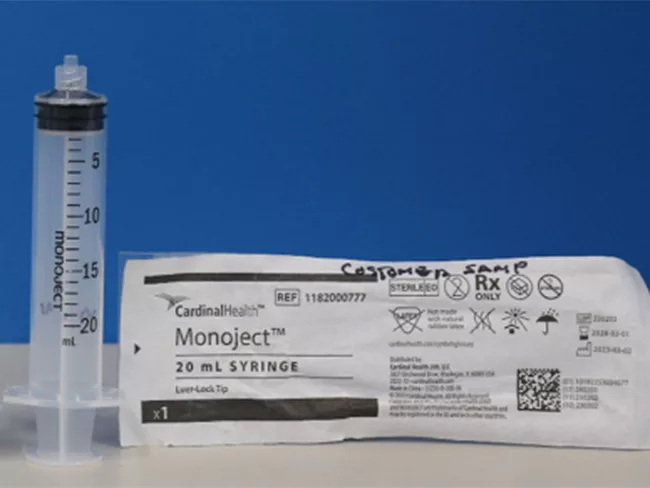
The U.S. FDA has followed up on reports of problematic syringes made by several companies in mainland China, recommending that U.S. suppliers, consumers and health care organizations stop using these products unless no alternatives are available. The agency said it has issued warning letters to three of these companies, at least one of which appears to have been the supplier of Monoject syringes that have been the subjects of recent FDA recalls.
The U.S. FDA announced March 7 that Cardinal Health of Dublin, Ohio, has expanded a product correction for Monoject devices to a product removal because of manufacturing changes that could affect product performance.
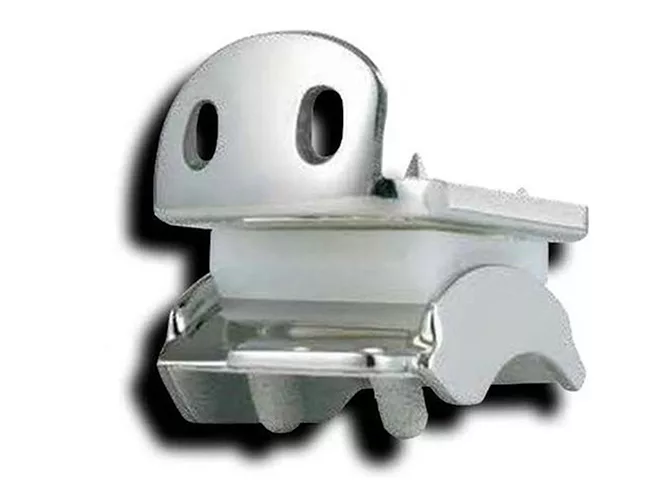
The U.S. FDA reported Feb. 29 that data on the Hintermann series H3 total ankle system suggest a significantly higher rate of device failure than seen in premarket clinical studies, a problem that has arisen even though only five years have passed since the agency approved the device.
The U.S. FDA reported Feb. 15 that Philips USA, a subsidiary of Amsterdam-based Royal Philips NV, recalled three models of the Brightview line of single photon emission CT (SPECT) systems due to an incident in which the system detector fell.
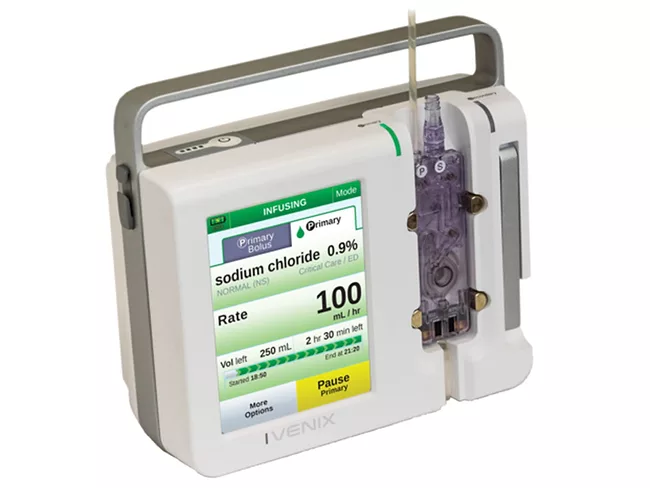
The U.S. FDA has announced a class I recall of Iveninx large-volume infusion pumps made by Fresenius Kabi USA of Lake Zurich, Ill., due to a mechanical issue with fluid valve pins that could cause the pumps to shut down. Fresenius is rolling out a remediation plan for more than 900 pumps affected by the recall, which to date has been associated with no reports of injury or death.