The U.S. FDA has posted notice of an advisory issued by Dublin-based Medtronic plc, regarding the Heartware ventricular assist device due to a pump weld defect, which the agency has identified as a class I recall. The recall affects devices that have been in use since 2006 and is associated with the entry of moisture into the pump center post, which can de-magnetize the magnets and thus trigger malrotation and consequently damage to the welds.
The U.S. FDA does not have legal authority to impose recalls on most regulated products, making the March 3 final guidance for voluntary recalls a key policy declaration for industry. The guidance recommends that recalling firms make extensive use of electronic communication to announce a recall, but the referenced FDA guidance for electronic communications was finalized in 2006 and makes no reference to social media as an electronic conduit for recall information.
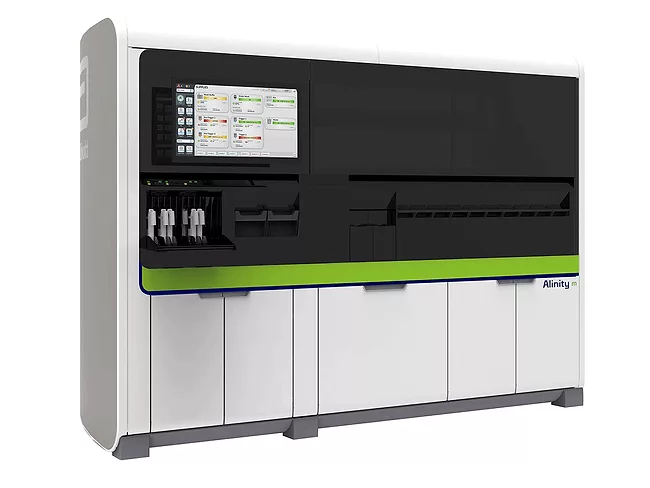
The FDA reported Oct. 14 that software used with the Alinity m test kit by Abbott Laboratories is being recalled for the potential for false positive results, a problem due to software used to automate the processing of the test. This recall was originally issued in mid-September, but the Abbott Park, Ill.-based company is advising labs to treat any test result as presumptive at best.
Device makers have argued for years that not all medical device recalls are the same, and thus the FDA should be more forthcoming with the public about the difference between a recall that is accompanied by a market withdrawal and a recall that driven by something as innocuous as a minor adjustment to the product label.
The U.S.FDA said the recall of two models of the Pipeline Flex embolization devices is due to a risk that the delivery system’s wire and tubes will fracture during placement of the stent. The agency said the recall is associated with 59 reports of malfunction, 10 serious injuries and two fatalities, making this a class I event.
The FDA applied a class I tag to the recall of Dose IQ software used in infusion pumps made by Baxter Healthcare because of a defect in the software, although there have been no reported injuries or fatalities. The defect is blamed for creating mismatches between the drug library and the drug loaded into the infusion pump, which can lead to potentially deadly over- or under-infusion of the medication.
The FDA reported that Boston Scientific Corp. has recalled several models from the Ingenio line of cardiac electrophysiology devices in a class I action that affects 48,000 devices. The recall was triggered by the risk that these devices will inappropriately shift into safety mode and thus be unable to provide pacing, as demonstrated by 65 such incidents and three instances in which patients needed external pacing in response to the problem.
Following the temporary lapse in FDA inspections of manufacturing sites amid the COVID-19 pandemic, this year has already seen more class I medical device recalls issued than in all of 2020. The agency is now working to remediate the interruptions resulting from the pandemic among certain manufacturers of high-risk medical devices in reporting these recalls to the FDA.
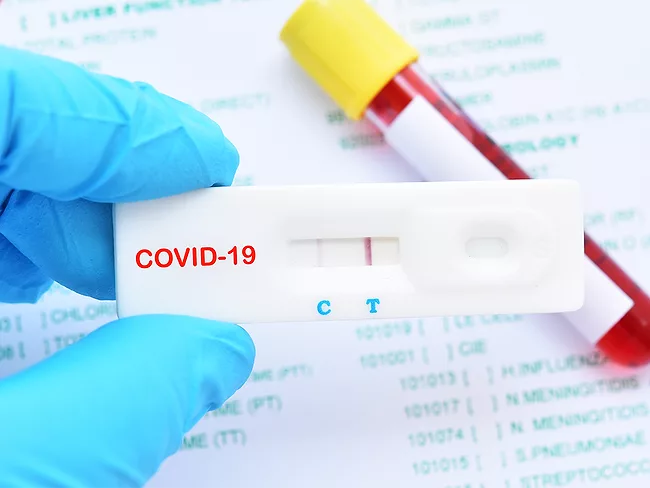
The FDA issued a June 10 warning letter to Innova Medical Group Inc. in connection with the company’s rapid antigen tests for the SARS-CoV-2 virus, an action that accompanies a class I recall and a safety communication.
The latest global regulatory news, changes and updates affecting medical devices and technologies, including: FDA provides path for diagnostic testing using pooled samples; FDA inks warnings for pandemic testing; Recall issued for repaired infusion pumps; NICE launches transformative strategy; NICE launches transformative strategy; Russia expands access to certain pediatric treatments.