The U.S. FDA’s device center hasn’t issued news bulletins or guidances in the past week, but the march of device recalls continues apace in the month of February.
Med-tech firms have gnashed their teeth for decades over the use of the term “recall,” given that some recalls are mere corrections to product labels while others entail a full product withdrawal. The U.S. FDA recently provided a glossary of terms under the heading of recall – a move that comes short of industry’s preference that the term be jettisoned altogether.
The U.S. FDA posted another early advisory, this time for the Mini PCNL devices by Trokamed GmbH. The agency noted that these devices should not be used for suction and irrigation of surgical sites, a use for which the device was not cleared in the first place.
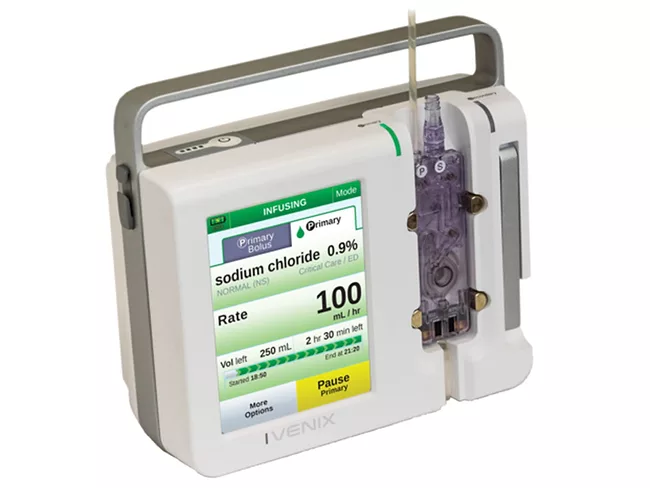
The FDA’s new program for communicating the hazards of devices is in play and resulted in the posting of a notice of a problem seen with the Ivenix line of large volume infusion pumps by Fresenius Kabi USA, which will require some repair work by the manufacturer.
The FDA announced a new pilot program for communication of medical device recalls, but industry may be wary of a program that seems to be driven toward early notification of what the agency believes “are likely to be high-risk recalls.” The agency’s device center states that this latest effort is designed to “improve the timeliness of communications” of corrective actions undertaken by device manufacturers. This would apply when the corrective action is as significant as a device removal and when the corrective action constitutes nothing more than an update to a product’s instructions for use.
The FDA announced a class I recall of Evair compressors by Chicago-based GE Healthcare due to elevated levels of formaldehyde when the devices are used with specific models of Carescape or Engstron ventilators.
The U.S. FDA reported a class I recall of tracheostomy tube kits by Minneapolis-based Smiths Medical Inc., because of the risk of separation of the tube’s pilot balloon and inflation line.
The U.S. FDA urged doctors and patients to use CT imaging if possible, when the MRI compatibility of any electronic implanted devices is unknown because problems with CT imaging are "extremely low" in these circumstances.
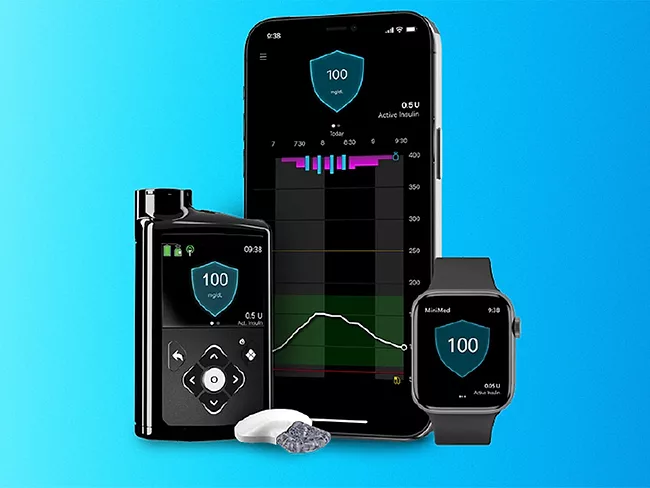
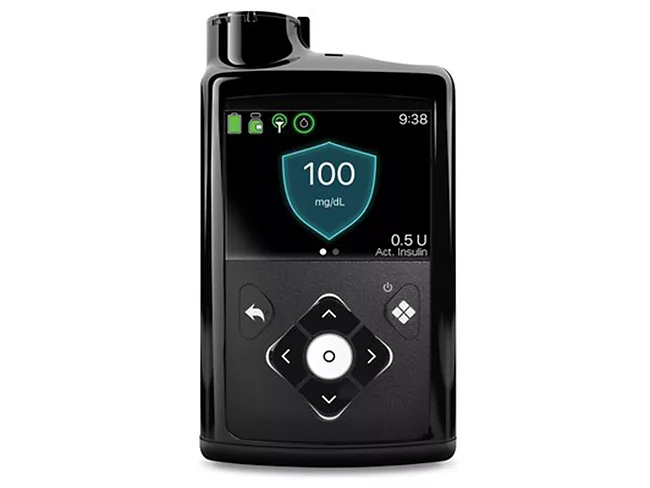
Medtronic plc reported a voluntary recall of certain insulin pumps after customers said a single drop, bump, or physical impact could shorten their battery life.
The U.S. FDA announced a class I recall declared by Baxter Healthcare Corp., of Deerfield, Ill., for the automated compounding inlets used with the company’s Exactomix compounding systems due to the risk of particulate matter in the inlets.