Researchers from Phio Pharmaceuticals Corp. presented preclinical data for PH-109, a novel self-delivering RNAi targeting connective tissue growth factor (CTGF), which was originally developed and assessed in early clinical trials as potential treatment of dermal hypertrophic scarring and subretinal fibrosis. The current study evaluated PH-109 in a mouse model of metastatic breast cancer.
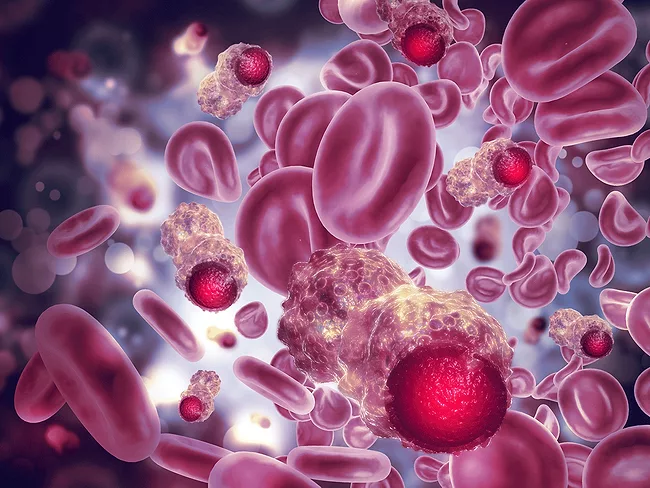
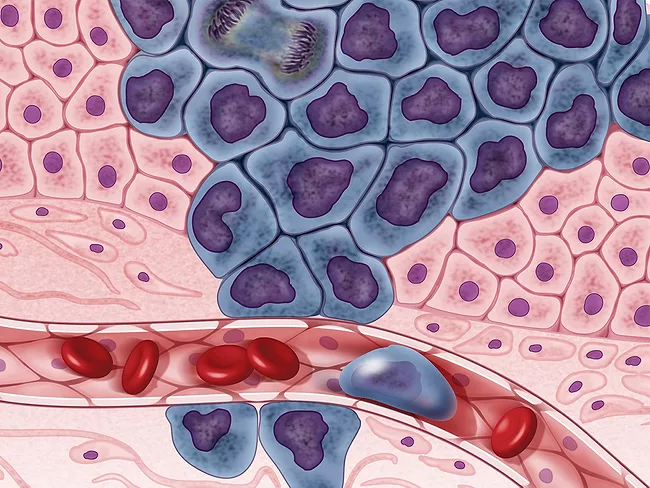
Circulating tumor cells (CTCs) transit through the bloodstream and they exhibit heterogeneity in their expression of epithelial and mesenchymal marker proteins, including the cadherin proteins. Based on these findings, researchers from Massachusetts General Hospital and Harvard Medical School evaluated the potential of the dual anti-cadherin antibody, 23C6, in targeting CTC-dependent blood-borne metastasis.
Investigators working at University of Texas Health Science Center, Houston, have discovered that the ubiquitin ligase UBR2 is up-regulated and sufficient for targeting the myosin heavy chain protein for the degradation characteristic of cancer cachexia. UBR2 knockout or pharmacological inhibition could prevent cachexia in mice. Confirmatory observations were noted in cancer cachexia patient-derived tissues.
In 2021, Ardem Patapoutian won the Nobel Prize in Physiology or Medicine for his discovery of the mechanosensitive receptors Piezo1 and Piezo2. The receptors, which are ion channels that respond to mechanical pressure, are important in touch sensation, as well as regulating processes including bladder control and blood pressure. Now, investigators at The Hospital for Sick Children in Toronto, Canada, and Central South University’s Xiangya Hospital have discovered a decidedly ignoble role for Piezo2.
Investigators from the University of Copenhagen, Denmark have developed a cell line engineered to express bone morphogenetic protein 2 (BMP-2) and key extracellular matrix genes and critical factors that regulate and support human hematopoiesis. The findings were reported in the Oct. 12, 2022, issue of Science Translational Medicine. One of the clinical applications that the research team is interested in involves exploiting the MSOD-B hOss as a tumor model for bone colonization in the context of various cancers.
About 50% of patients with lung cancer present with metastatic disease; researchers have shown that breast cancer metastasis-suppressor 1 (BRMS1) suppresses metastases in non-small-cell lung cancer and other solid tumors due to its ability to function in a multiprotein histone deacetylase transcriptional corepressor complex or as an E3 ligase to control the degradation of p300 acetyltransferase.
Variable expression of an enzyme in the initial tumor has been identified as an early step in the process of migration and growth of cells to form remote metastases in breast cancer.
Researchers in China have discovered that bacteria promote cancer metastasis by bolstering the strength of host cells against mechanical stress in the bloodstream, promoting cell survival during tumor progression.
“In 2015, when I started in this field…. people considered breast cancer a cold tumor,” Marleen Kok told the audience at the European Society of Medical Oncology’s 2022 Targeted Anticancer Therapy meeting (ESMO TAT). But the sensitivity of breast cancer to immunotherapy, or lack thereof, is “not a black and white phenomenon.”
Investigators at KU Leuven have discovered that although mTOR signaling was important in primary breast tumors and lung metastases alike, the signals that activated mTOR were different between the two, and mTOR signaling could be inhibited through different mechanisms.