Precede Biosciences Inc. emerged from stealth having raised $57 million in seed and series A financing to fund its genome-wide platform. The blood-based platform detects and provides critical insight into the biological activity of genes and pathways in diseased tissue to improve care and development of new therapeutics.
Inmagene Biopharmaceuticals Technology (Shanghai) Co. Ltd. and biotech investment firm Aditum Bio Management Company LLC have announced the formation of Celexor Bio, a new biotech company focused on cell depletion of pathologic cells in autoimmune and inflammatory disorders. Celexor has been formed based on Inmagene’s IMG-018, a plasmacytoid dendritic cell (pDC)-depleting antibody targeting immunoglobulin-like transcript 7 (ILT7).
Interleukin-1 receptor-associated kinase 4 (IRAK4) plays a critical role in innate immunity by acting both as a scaffolding protein and a protein kinase, and its overactivation correlates with several autoimmune disorders.
The U.S. Recover program, set up in July 2022 to identify the causes of long COVID, find biomarkers of disease and discover new therapeutic targets, is now preparing to move to its next phase and begin testing potential treatments in a multi-arm, randomized, placebo-controlled trial. But with 200 different symptoms, and limited understanding of relevant system-level pathological targets, there are significant hurdles to be overcome.
The U.S. Recover program, set up in July 2022 to identify the causes of long COVID, find biomarkers of disease and discover new therapeutic targets, is now preparing to move to its next phase and begin testing potential treatments in a multi-arm, randomized, placebo-controlled trial. But with 200 different symptoms, and limited understanding of relevant system-level pathological targets, there are significant hurdles to be overcome.
Immunomolecular Therapeutics Inc. has described compounds targeting HLA-DQ2 reported to be useful for the treatment of type 1 diabetes, myasthenia gravis, Stiff-man syndrome, Addison and celiac diseases.
UCB SA has identified imidazotriazine derivatives acting as IL-17 modulators reported to be useful for the treatment of autoimmune and inflammatory disorders.
NMD Pharma A/S has announced top-line results showing its orally available ion channel inhibitor, NMD-670, has a positive clinical impact in myasthenia gravis (MG), with patients having stronger hand grip and improvements in quantitative MG scores.
Structure-guided design for carbazole antagonists of Toll-like receptors 7 and 8 (TLR7/8) for the potential treatment of autoimmune disorders was reported by Bristol Myers Squibb Co. TLR activation can induce proinflammatory pathway activation, which has been identified in patients with lupus.
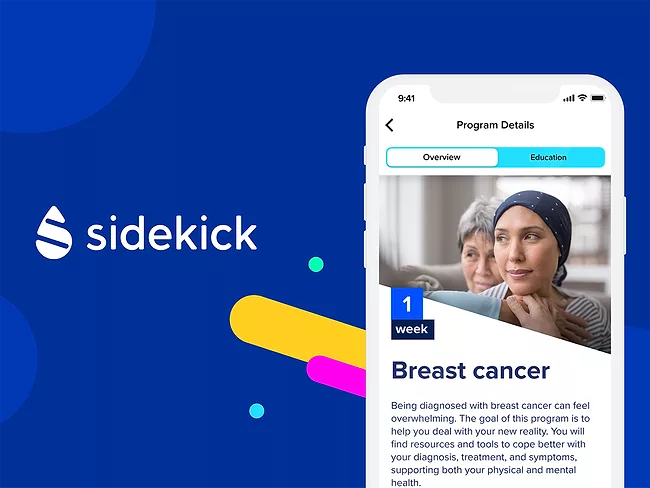
In May, Sidekick Health AB revealed an expanded partnership with New York-based Pfizer Inc. for autoimmune-related conditions. Now, it has joined forces with Eli Lilly and Co. to help patients battling breast cancer with its gamified platform. The companies plan to introduce the integrated digital therapeutic starting in July with the roll out beginning in Germany.