Spark Biopharma Inc. has prepared and tested stimulator of interferon genes protein (STING; TMEM173) agonists that are reported to be useful for the treatment of cancer.
Carna Biosciences Inc. has synthesized 1,2-diaminobenzimidazole derivatives acting as stimulator of interferon genes protein (STING) antagonists reported to be useful for the treatment of cancer, viral infection, neurodegeneration and autoimmune, inflammatory, metabolic, eye and cardiovascular disorders, among others.
Several STING agonists have demonstrated antitumor efficacy in preclinical studies and are currently under clinical development. However, systemic administration of STING agonists may have adverse effects, while intratumoral injection is limited by tumor accessibility. Therefore, systemic delivery of STING agonists specifically targeted to tumors emerges as a potential strategy to overcome these limitations.
Ryvu Therapeutics SA is banking €40 million (US$41.3 million) as an initial payment from a two-pronged alliance with Biontech SE, which involves a multitarget small-molecule research collaboration in immunotherapy and a license agreement for Ryvu’s portfolio of Sting agonists.
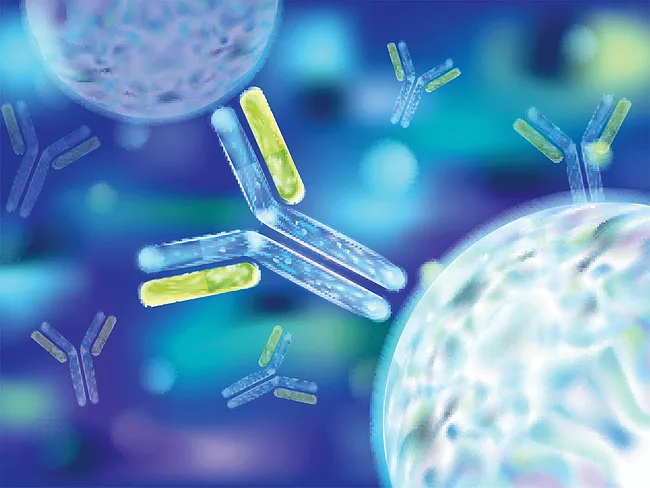
Activation of the cGAS-STING pathway activates the immune system through the production of type I interferons. There is knowledge that myeloid cell populations are among the most sensitive to STING agonism. Investigators at Takeda Pharmaceutical Co. Ltd. presented results on TAK-500, an immune stimulant antibody-drug conjugate (ISAC) composed of an antibody linked to a STING agonist for delivery to CCR2+ cells.
Mersana Therapeutics Inc. is getting $100 million up front in an option deal with GSK plc for preclinical-stage antibody-drug conjugate (ADC) XMT-2056, which could bring up to $1.36 billion more in an option exercise payment, development, regulatory and commercial milestones. It’s the second potential $1 billion-plus ADC deal for Cambridge, Mass.-based Mersana in 2022 and the first for its Immunosynthen platform, which uses a STING agonist payload specifically designed for ADCs.
Stimulator of interferon genes (STING) is a protein that senses DNA in the cytosol, where it comes from either an infectious invader or a damaged nucleus and sets off an immune response that ultimately results in the activation of T cells. STING agonists are among the strategies that have been tested in hopes they would increase the response rate to checkpoint blockade. Now, back-to-back papers in the Aug. 21, 2020, issue of Science have detailed the preclinical development of orally available STING agonists.