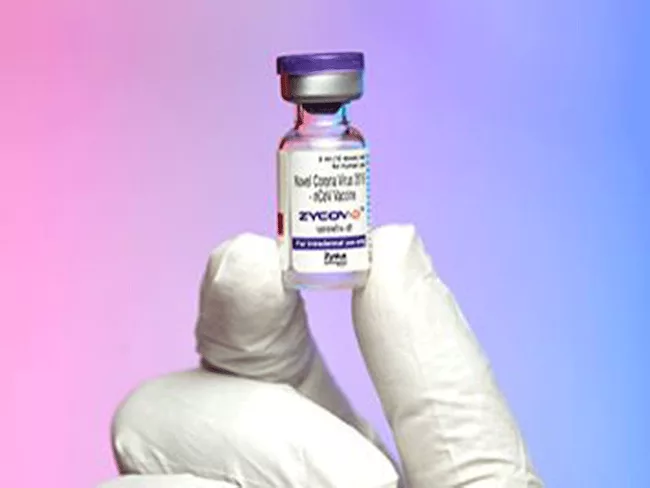
Cadila Healthcare Ltd. (also known as Zydus Cadila) has received emergency use authorization (EUA) in India for Zycov-D, making it the world’s first plasmid DNA vaccine for COVID-19. Besides the adult population, the Drug Controller General of India’s nod has also given the South Asian country its first COVID-19 vaccine for adolescents ages 12 to 18.
Zydus Cadila Group could make history after applying for approval for the first ever human DNA vaccine in India. But that could be just the start for a technology that could treat a vast array of diseases, including cancer, infectious diseases and chronic diseases.
Zydus Cadila Group could make history after applying for approval for the first ever human DNA vaccine in India. But that could be just the start for a technology that could treat a vast array of diseases, including cancer, infectious diseases and chronic diseases.
Zydus Cadila Ltd. has applied for emergency use authorization in India for its DNA plasmid COVID-19 vaccine, potentially the first shot of its kind to be approved in humans. The filing for the vaccine called ZyCoV-D will be based on a phase III study showing efficacy of 66.6% for symptomatic disease and 100% efficacy for moderate disease.
Phase I data on immune responses induced by Inovio Inc.'s COVID-19 DNA vaccine candidate, INO-4800, showed it induced neutralizing antibodies and T-cell responses against all spike protein variants tested in a phase I study, including those first detected in the U.K., South Africa and Brazil. A preliminary report on the analysis, published on bioRxiv, preceded the reporting of phase II data on the candidate expected later this quarter as well as a potential move to phase III testing, pending resolution of a partial clinical hold on the study first announced in September 2020.
With only days left before Inovio Pharmaceuticals Inc. planned to initiate a phase II/III trial of its COVID-19 DNA vaccine candidate, INO-4800, and its accompanying delivery device, the FDA placed a partial clinical hold on the company’s study. This is the study’s second delay as the company originally planned to begin in July or August. November is now the earliest potential start date. Inovio told BioWorld that the company and its partners are continuing to prepare for the phase II/III trial “following resolution of the FDA’s partial clinical hold.”