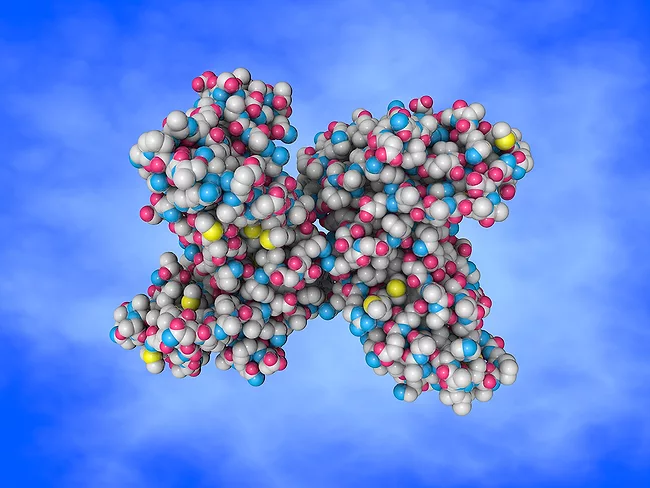
Receptor-interacting protein kinase 1 (RIPK1) acts as a central signaling node regulating apoptosis, necroptosis and inflammatory pathways. Researchers from China Pharmaceutical University reported the discovery and preclinical characterization of LT-1339-553, a novel RIPK1 inhibitor, in models of schistosomiasis-induced hepatic fibrosis.
Hefei Institutes of Physical Sciences has synthesized new pyrazoleamide compounds acting as receptor-interacting serine/threonine-protein kinase 1 (RIPK1; RIP-1) inhibitors reported to be useful for the treatment of cancer, Crohn’s, Graves, Parkinson’s disease, ischemia, sepsis, multiple sclerosis and HIV infection.
Shandong Quanzhong Biomedical Technology Co. Ltd. has disclosed receptor-interacting serine/threonine-protein kinase 1 (RIPK1; RIP-1) inhibitors reported to be useful for the treatment of atherosclerosis, obesity, cancer, osteoarthritis, inflammatory bowel disease, fibrosis, psoriasis and Alzheimer’s disease.
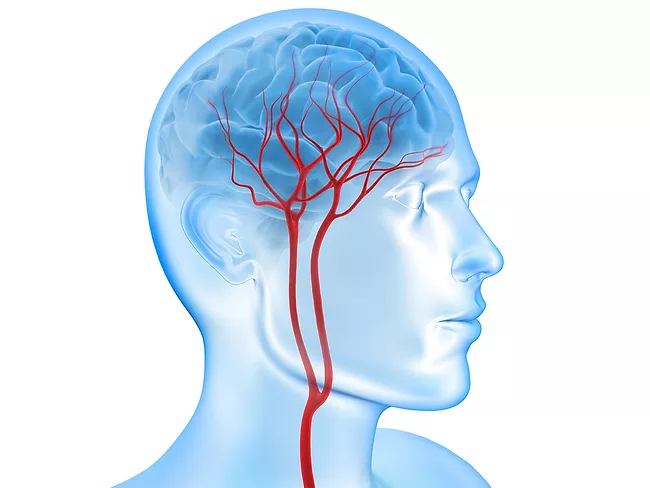
Receptor-interacting protein kinase 1 (RIPK1) plays a pivotal role in ischemic stroke pathology by mediating necroptosis and promoting neuroinflammation, both of which contribute to secondary brain injury and worsen clinical outcomes.
Etern Therapeutics (Wuxi) Co. Ltd. has divulged polycyclic compounds acting as receptor-interacting serine/threonine-protein kinase 1 (RIPK1; RIP-1) inhibitors reported to be useful for the treatment of ischemia-reperfusion injury.
Researchers at the China Pharmaceutical University have developed a series of highly active receptor-interacting protein kinase 1 (RIPK1) inhibitors with potent anti-inflammatory activity. RIPK1 is a key regulator of necroptosis, a form of programmed cell death associated with various inflammatory diseases.