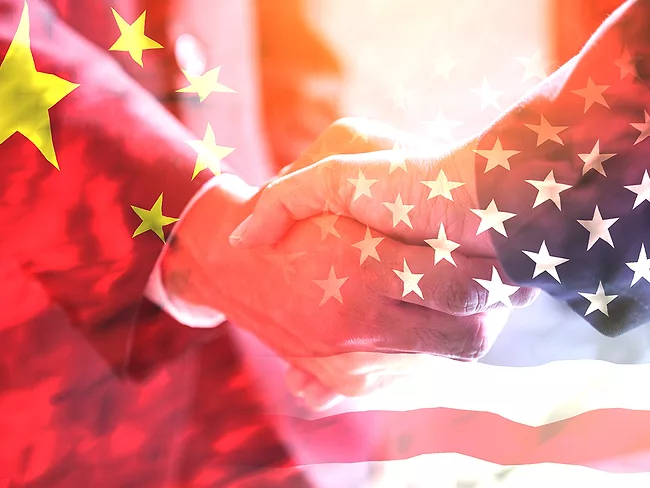
The recent introduction of the bipartisan Biotech Investment National Security Act in the U.S. House has industry and venture capitalists urging lawmakers to take a breath, step back, and consider a less invasive approach than restricting U.S. biopharma deals with Chinese innovators.
The recent introduction of the bipartisan Biotech Investment National Security Act in the U.S. House has industry and venture capitalists urging lawmakers to take a breath, step back, and consider a less invasive approach than restricting U.S. biopharma deals with Chinese innovators.
Australia is attempting a once-in-a-generation reset of its innovation system, and biotech industry leaders have lauded the federal government’s independent review into Australia's slipping R&D ranks and its proposals to reverse the decline.
Australia is attempting a once-in-a-generation reset of its innovation system, and biotech industry leaders have lauded the federal government’s independent review into Australia's slipping R&D ranks and its proposals to reverse the decline.
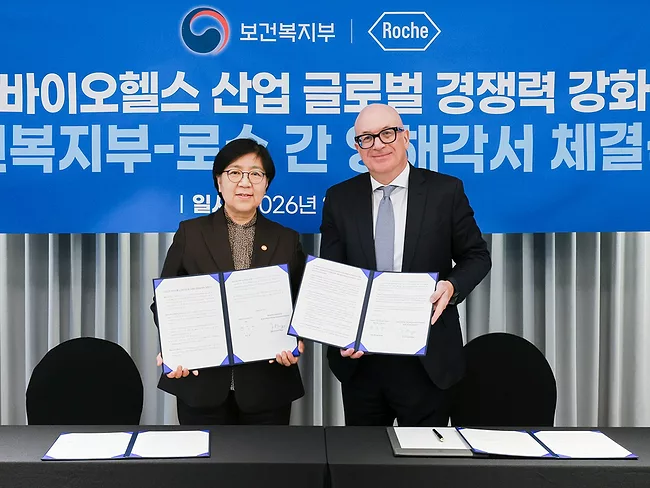
Roche Holding AG pledged to invest ₩710 billion (US$484.6 million) in South Korea over the next five years, positioning the country as a major global hub for clinical trials. The near $500 million agreement inked with the Korean government will bring Roche’s clinical trials for common or incurable diseases and innovative biopharmaceutical products to the country.
Roche Holding AG pledged to invest ₩710 billion (US$484.6 million) in South Korea over the next five years, positioning the country as a major global hub for clinical trials. The near $500 million agreement inked with the Korean government will bring Roche’s clinical trials for common or incurable diseases and innovative biopharmaceutical products to the country.
While the annual State of the Union address has morphed over the years from a summation of the state of the U.S. government and the president’s legislative agenda into political theater on both sides of the aisle, President Donald Trump did include some recommendations to Congress in his Feb. 24 speech. Among those recommendations was a request for Congress to codify his most-favored-nation pricing policy for prescription drugs.
Venture capital firms and research institutions have launched the European Life Science Coalition in a bid to strengthen Europe’s VC ecosystem by mobilizing more private and public investment.
Venture capital firms and research institutions have launched the European Life Science Coalition in a bid to strengthen Europe’s VC ecosystem by mobilizing more private and public investment.
Astrazeneca plc is investing $15 billion in China through 2030 to expand R&D and manufacturing, marking one of the largest long-term investments by a multinational pharma company in the country. The U.K.-based company also struck a deal worth up to $3.5 billion with China’s CSPC Pharmaceuticals Group Ltd. to accelerate the development of next-generation therapies for obesity and type 2 diabetes.