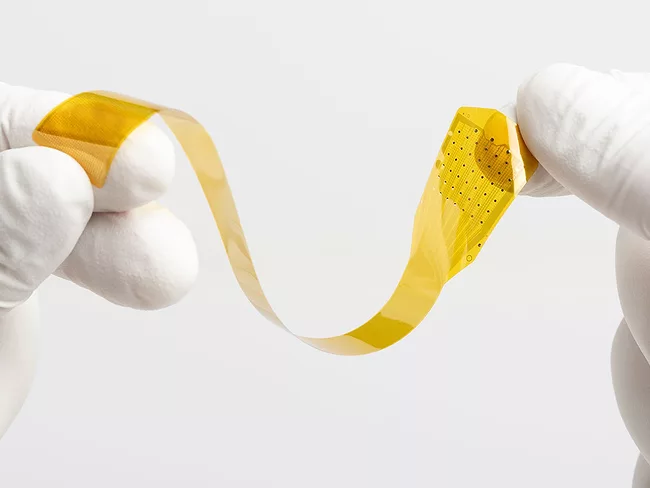
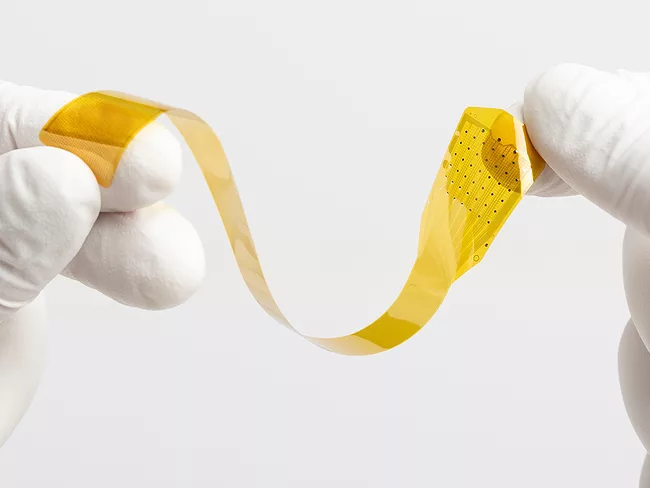
The recent 510(k) clearance by the U.S. FDA for a core part of Precision Neuroscience Corp. brain-computer interface technology is certainly a boon for the company, and others developing the devices. For the millions of people suffering from health disorders, such as motor neuron disease, spinal cord injury or severe stroke, its sign that a solution which could transform their lives could be just a few years away.
Companies developing brain-computer interface (BCI) technologies certainly stepped up their activities this year with several starting to implant their devices into humans. After decades as an experimental technology pursued exclusively in research settings, BCI devices could be just a few years away from entering clinical practice – and investors are paying attention.
Precision Neuroscience Corp. recently raised $102 million in a series C funding round for its AI-powered brain–computer interface (BCI) technology, the Layer 7 Cortical Interface. The funding comes as interest in the technology heats up as clinical trials show that BCI devices are capable of transforming the lives of people with disabilities.
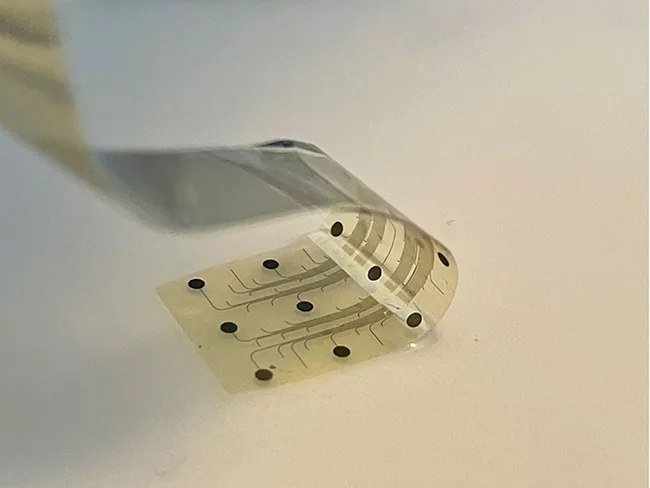
Inbrain Neuroelectronics SL closed a $50 million series B financing round to advance clinical trials for its graphene-based brain-computer interface therapeutics platform. The company also secured additional funding from Merck KGaA GmbH which will go towards developing the technology for application across both central and peripheral nervous systems.
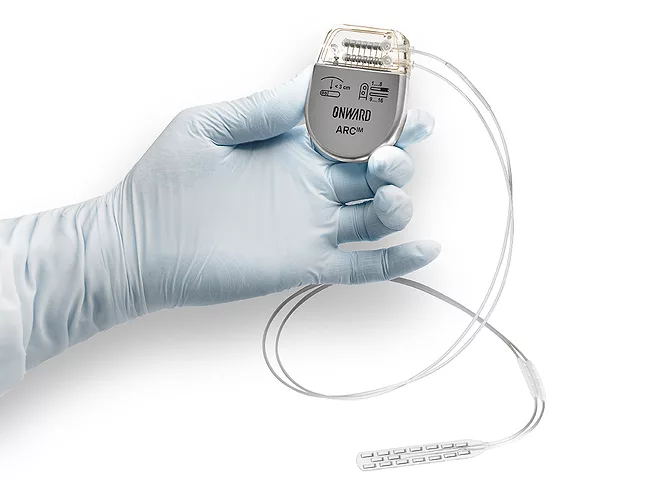
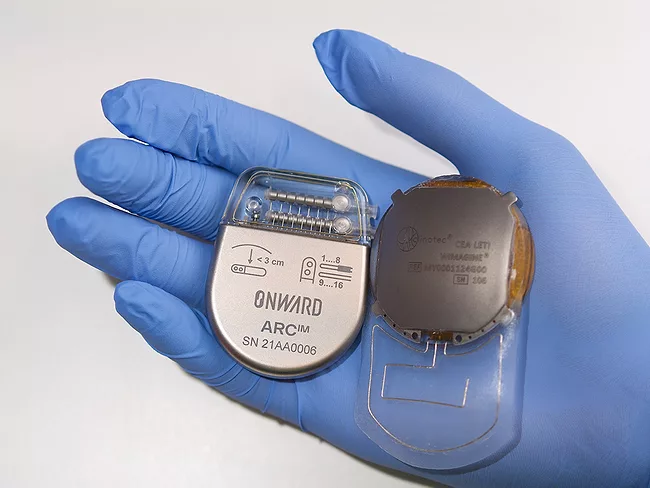
In an effort to shore up its position in a rapidly developing market for brain-computer interface (BCI) technologies, Onward Medical NV signed an exclusive license with France’s CEA-Clinatec to use its BCI chip as part the Arc-BCI system, which restores direct communication from the brain to the spinal cord.
Onward Medical NV reported clinical outcomes for the first 10 patients given therapy to regulate blood pressure using its implantable ARC technology. This pulse generator produced an immediate improvement in blood pressure regulation in all study participants.
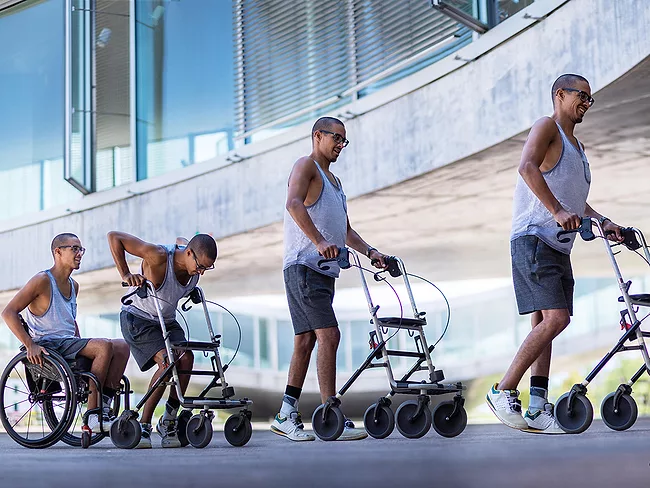
Researchers at the Neurorestore research center created a device that allows paralyzed patients with no sensation in their legs to walk again, providing hope for others with complete spinal injury. More remarkably, the team discovered the specific neurons that take over the signaling function between the brain and muscles to permit movement in response to the device’s electrical stimulation, offering a path forward for researchers, clinicians and patients affected by a wide range of neurological disorders.
Onward Medical NV reported initial patient enrollment in its Hemon early feasibility study and first-in-human trial of its ARC implantable pulse generator. The study will examine stabilization of hemodynamic function in patients with a spinal cord injury. It is taking place at Lausanne University Hospital (CHUV). “Implanting into a human for the first time is an important step forward for our neurostimulation technology, designed to help refine and implement epidural stimulation therapy in patients with spinal cord injury,” Dave Marver, CEO of Onward, told BioWorld.