Researchers from Washington University in St. Louis and affiliated organizations have provided details on the discovery and preclinical evaluation of [64Cu]NODAGA-PEG4-SL-022-GGS, a novel small peptide imaging agent for evaluating CD38 expression.
Heterogeneity, in both tumors and their microenvironment, limits the success of current cancer treatments. But it also provides opportunities. Heterogeneities “are not barriers to therapy, they are vulnerabilities to be exploited,” was how David DeNardo described his take at the 2023 annual meeting of the American Association for Cancer Research (AACR) on Sunday.
Poikiloderma (a skin condition involving hypopigmentation, hyperpigmentation, spider veins and atrophy) with neutropenia (PN) is a unique clinical presentation that can be caused by mutations in the U6 snRNA biogenesis phosphodiesterase 1 gene (USB1). Curiously enough, the USB1 protein is required for U6 snRNA synthesis in yeast and zebrafish, but not humans.
Scientists from Washington University in St. Louis have described a role for T cells in the neurodegeneration associated with the tau protein. Tau accumulation in the brain activated microglia. This signal triggered the activation of T cells in other parts of the body, attracting them to the brain. Once there, the interaction of these T cells and microglia produced the neuronal damage seen in Alzheimer’s disease and other tauopathies.
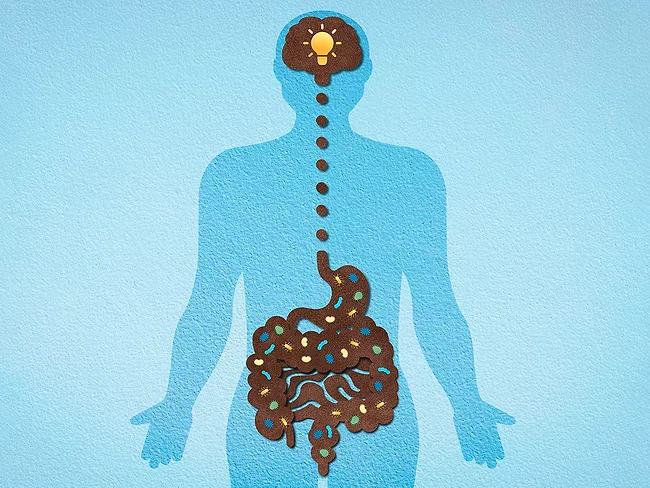
A study in a mouse model of tau protein build-up in the brain, similar to that seen in later stage Alzheimer’s disease (AD), shows that changes to the microbiome in these animals can impact the degree and progression of neurodegeneration observed. As reported in the Jan. 12, 2023, study published in Science, the researchers found that mice that were germ free and those given antibiotics to change their gut microbiome early in life had significant reductions in brain atrophy compared with those with a standard microbiome.
Engineers from Washington University in Saint Louis are developing a novel imaging technique for evaluating the use of alpha-particle emitting radiopharmaceutical therapy in tumors and other radiation-sensitive organs of the body. They have tested a low-count quantitative single-photon emission computed tomography (LC-QSPECT) method to provide reliable measurements of the radionuclide uptake in lesions and at-risk organs after its administration.
The controlled cell death process of apoptosis functions as the first step to any full recovery from injury or disease. In the second step of any recovery process, dead cells are cleared by efferocytosis, a process performed by phagocytotic cells like macrophages. Approximately 200-300 billion apoptotic cells are cleared daily by efferocytosis starting with the recognition of newly extracellular facing phosphatidylserine (PtdSer) by PtdSer-binding proteins present on phagocytotic cells.
Researchers at St. Louis University, Washington University in St. Louis, and Fimbrion Therapeutics Inc. have identified ubiquinol-cytochrome C reductase cytochrome b subunit (qcrB) (Mycobacterium tuberculosis) inhibitors reported to be useful for the treatment of tuberculosis.
Sensei Biotherapeutics Inc. has entered into a sponsored research agreement with Washington University in St. Louis to support development of SNS-101, a conditionally active V-type immunoglobulin domain-containing suppressor of T-cell activation (VISTA)-blocking antibody.
Researchers from Washington University presented data from a study that aimed to identify myeloid-derived suppressor cell (MDSC) markers in patients with multiple sclerosis (MS).