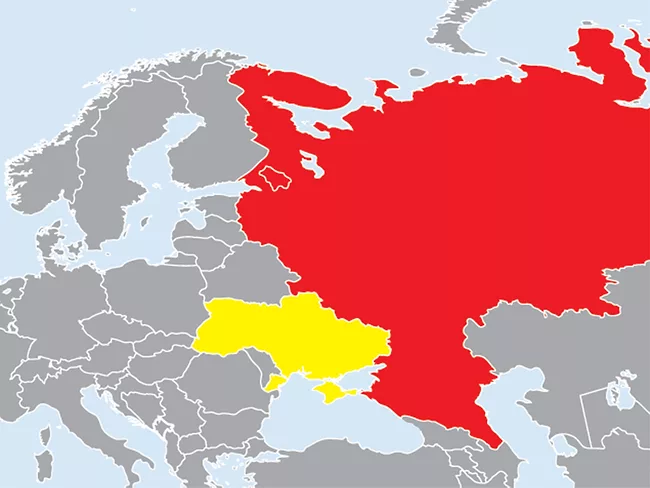
Although the war is still raging in Ukraine, Russia is marching forward with asserting its regulatory framework on health care in the parts of Ukraine it’s claiming as the spoils of the war it started 11 months ago.
It was a year of turmoil in Europe as Russia’s invasion of Ukraine and the fall-out from the COVID-19 pandemic shaped the fortunes of the life sciences industry in 2022. After years of tension, Russia’s attempt to annex Ukraine on Feb. 24 caused outrage and disruption and was unanimously opposed on humanitarian grounds by the life sciences and pharma industry.
Surgibox Inc. won a CE mark for two components of its Surgifield system, an ultraportable sterile system that enables safe surgery any place, any time. The five-year-old startup also landed a humanitarian use exemption for use of the system in war-torn Ukraine.
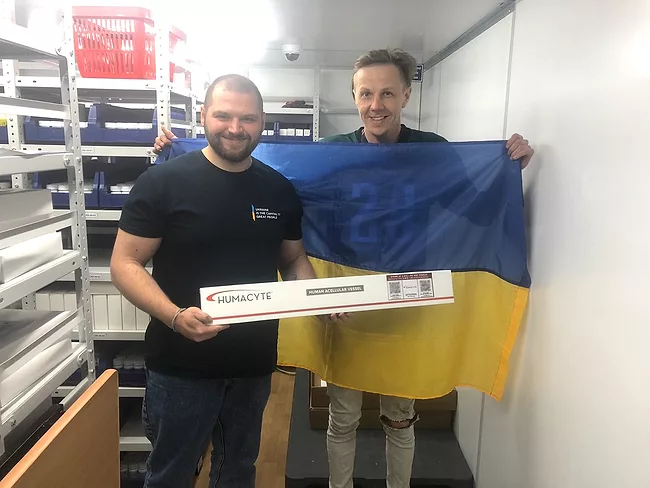
Humacyte Inc. provided its Human Acellular Vessel (HAV) implants to Ukrainian hospitals on the front-line of the Russian invasion as part of the company’s humanitarian relief initiative. Two patients have received the implants for treatment of vascular trauma injuries. One patient had sustained a severe gunshot wound to the leg and the other was injured by shrapnel.
Before filing financial statements with the U.S. SEC, public companies will need to think about how their business has been impacted by Russia’s invasion of Ukraine and, perhaps, update filings they’ve already submitted.
With the Russian invasion of Ukraine continuing to disrupt thousands of clinical trials throughout the region, the European Commission, the EMA and the Heads of Medicines Agencies are developing advice to help sponsors mitigate the issues. For now, sponsors should apply the approaches and flexibilities used during the COVID-19 pandemic to the current situation, the groups said March 30.
With the Russian invasion of Ukraine continuing to disrupt thousands of clinical trials throughout the region, the European Commission, the EMA and the Heads of Medicines Agencies are developing advice to help sponsors mitigate the issues.
Headlines the world over have been dominated by the resilience of the Ukrainian military – but the country’s clinical research body said that amid the chaos of war, trials are carrying on despite the destruction of hospitals and civilian infrastructure. As revealed by BioWorld, big pharma sponsors are putting clinical studies on hold in Russia, Ukraine and Belarus as the war plays havoc with medical supplies and the normal functioning of society.
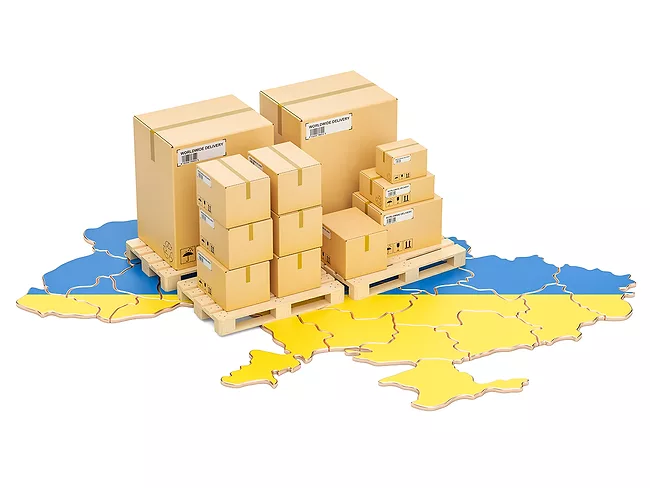
While a number of companies cited continued supply chain issues in recent investor calls and earnings reports, few med-tech leaders have expressed concerns about serious disruption to operations or loss of revenue because of the destruction wrought by the invasion of Ukraine or the associated sanctions on Russia. Most companies derive less than 1% of their revenue from the two countries.
Big pharma sponsors of clinical trials in Ukraine are putting studies on hold in Russia, Ukraine and Belarus as the conflict continues into its third week. As revealed by BioWorld last week, hundreds of clinical trials were being conducted in the two countries at the time Russian President Vladimir Putin gave orders to invade Ukraine on Feb. 20.