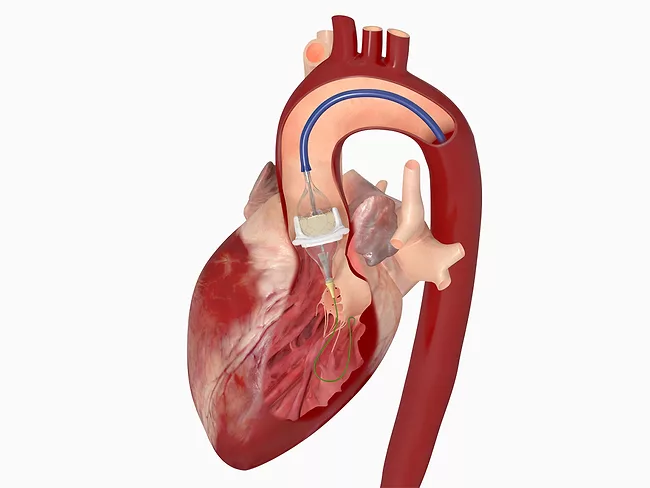
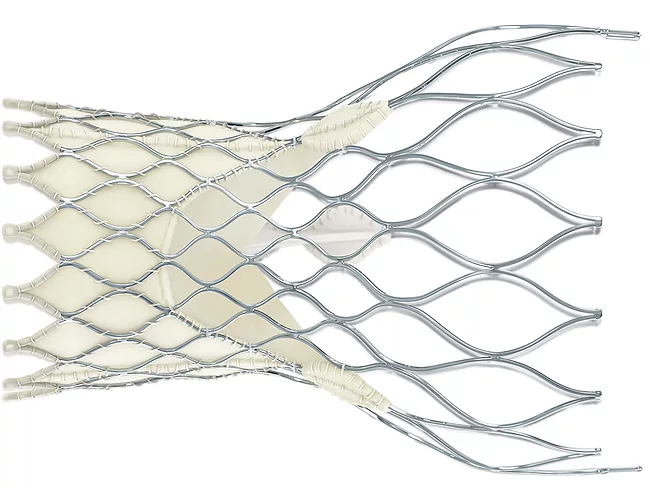
The U.K. National Health Service may or may not deploy transcatheter aortic valve replacement devices as widely as in the U.S., but the National Institute for Health and Care Excellence officially staked out the position the data are not yet compelling for anyone other than high risk patients.
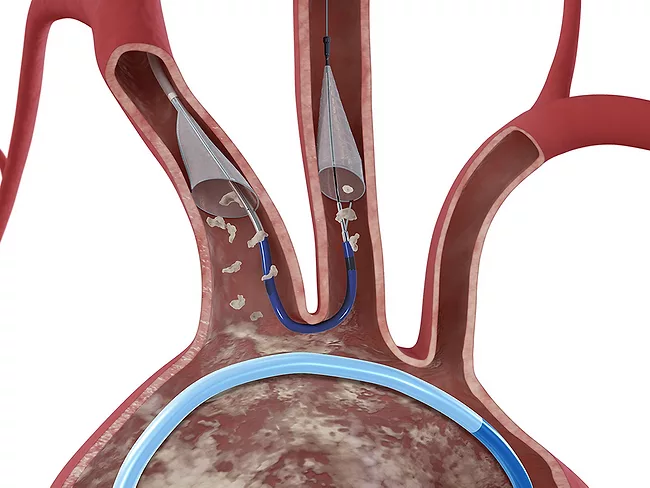
Counterintuitively, use of cerebral embolic protection failed to reduce the incidence of stroke in the 72 hours following a transcatheter aortic valve replacement or implantation found a late-breaking clinical trial presented at ACC.25, the American College of Cardiology’s annual scientific session held March 29-31 in Chicago and simultaneously published in the New England Journal of Medicine.
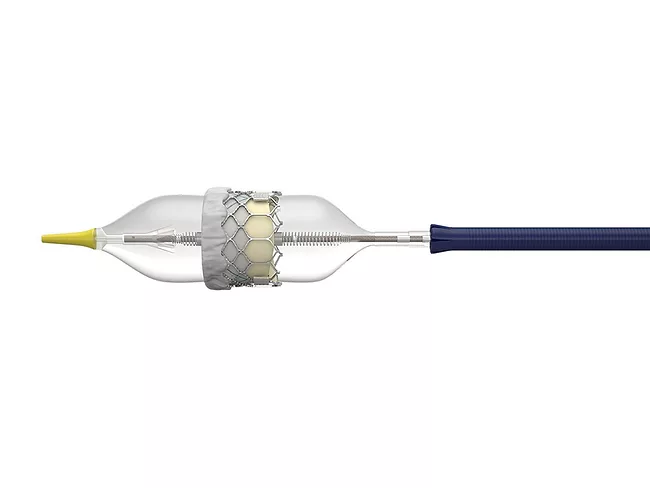
Meril Life Sciences Pvt Ltd. recently launched its next generation transcatheter heart valve (THV), the Myval Octapro THV, which it says allows for better operator control for precise positioning and improved predictability in implantation. The new valve comes however, as the company battles with Edwards Lifesciences Corp. in a European court over patent infringement of its technology.
In the first study to compare transcatheter aortic valve replacement or implantation to surgical aortic valve replacement exclusively in women, Edwards Lifescience Corp.’s Sapien 3 and Sapien 3 Ultra valves provided better outcomes.
There is no evidence to support the differences in prices that the U.K.’s national health service (NHS) is paying for transcatheter heart valves from Abbott Laboratories, Boston Scientific Corp., Edwards Lifesciences Corp. and Medtronic plc, according to the National Institute for Health and Care Excellence.
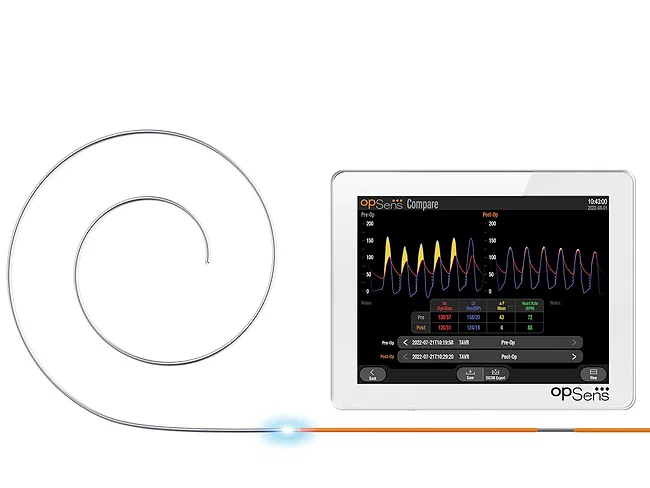
Haemonetics Corp. received CE mark certification for the Savvywire pre-shaped pressure guidewire, a sensor-guided three-in-one guidewire for transcatheter aortic valve implantation. The solution, which is expected to enhance TAVI procedures and improve patient outcomes, is already being used in procedures in European countries.
One-year data from the Notion-2 trial, which compared transcatheter aortic valve implantation (TAVI) with surgical aortic valve replacement (SAVR) in younger low-risk patients with severe tricuspid or bicuspid aortic valve stenosis, showed little difference in clinical outcomes between the two procedures. The results were presented at the recent EuroPCR conference in Paris.
The Cardiovascular Research Technologies 2024 conference in Washington this week demonstrated continued positive outcomes for patients who underwent transcatheter aortic valve replacement with devices made by Abbott Laboratories, Edwards Lifesciences Corp. or Medtronic plc.
Medtronic plc presented 10-year results from its ongoing trial comparing transcatheter aortic valve implantation with surgical aortic valve replacement. The results support use of the Medtronic Corevalve platform for lower risk of severe valve deterioration compared to surgical replacement.
The U.S. FDA has given the green light to Abbott Laboratories Inc. for its Navitor next-generation transcatheter aortic valve implantation (TAVI) system for the treatment of patients with aortic valve stenosis who are at increased risk of open-heart surgery. Abbott won European approval of Navitor in May 2021.