Septic cardiomyopathy is a common and serious complication of sepsis, affecting up to 60% of patients and markedly worsening survival outcomes. It is characterized by left ventricular systolic dysfunction, but its underlying mechanisms remain poorly understood despite extensive research.
Glioblastoma multiforme (GBM) is the most common and aggressive malignant primary brain tumor in adults, marked by high treatment resistance and poor prognosis. OLIG2, a CNS-specific transcription factor essential for neural development, is highly expressed in GBM and contributes to tumor progression and therapy resistance, making it a promising target for novel therapeutic strategies.
Researchers at Wenzhou Medical University reported the synthesis and preclinical evaluation of a novel series of betulin-succinate derivatives developed as potential anticancer agents. Betulin is a naturally occurring triterpene that shows significant potential as a lead compound for the development of novel antitumor agents, owing to its selective cytotoxicity against cancer cells and low toxicity toward normal cells.
Each year, acute kidney injury affects more than 13 million people and leads to nearly 2 million deaths. It can occur, for example, in cancer patients taking nephrotoxic cisplatin chemotherapy and in individuals who suffer sepsis or ischemic stroke.
Researchers from Wenzhou Medical University and affiliated organizations presented the discovery and preclinical characterization of a novel myeloid differentiation primary response 88 (MyD88) inhibitor for the treatment of acute lung injury (ALI).
Proper survival and regeneration of retinal ganglion cells (RGCs), which constitute the optic nerve, is crucial for managing traumatic or ischemic optic nerve injury, optic neuropathy, or optic pathway gliomas. Researchers from Wenzhou Medical University described the synthesis of novel spirocyclic chalcone derivatives designed to combat optic nerve damage.
As PD-L1 and CD73 are both overexpressed in the tumor microenvironment (TME) and inhibiting CD73 has been shown to enhance anti-PD-L1 efficacy, dual-targeting of PD-L1 and CD73 has emerged as a feasible strategy in the oncolytic field.
OTU deubiquitinase 5 (OTUD5) is a deubiquitinating enzyme that has been shown to play a key role in mediating innate immunity and inflammation development, and which is also involved in various cancers.
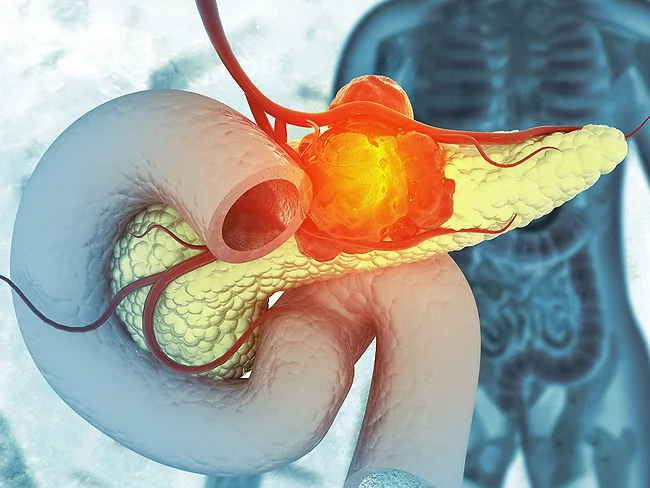
Autophagy of cancer cells has been frequently observed during radiotherapy. In addition, pancreatic cancer-associated fibroblasts can compromise the radiotherapeutic effect by promoting the autophagy of the irradiated pancreatic cancer cells.