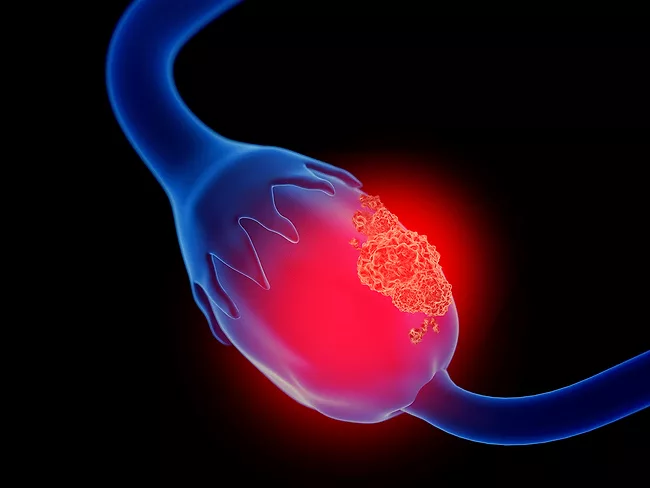
Ovarian cancer stem cells are characterized by high activity of aldehyde dehydrogenase (ALDH) enzyme as well as high expression of CD133 marker, and the combination of both correlates with poor prognosis in patients.
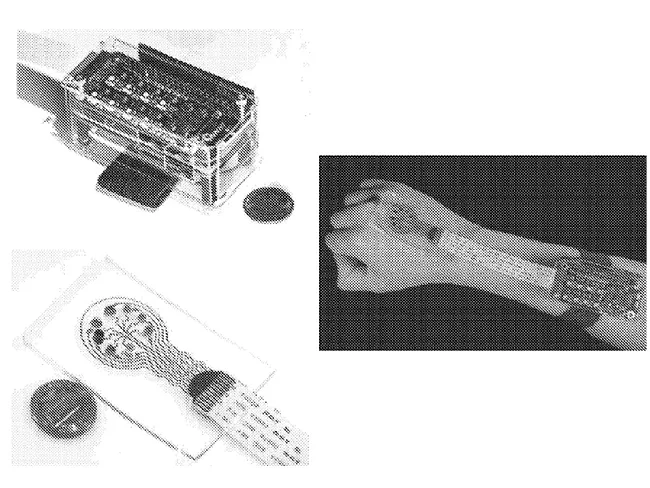
Researchers from the University of Minnesota are seeking patent protection and possible collaborators for their development of three-dimensional (3D) printed skin-wearable photodetector devices.
University of Minnesota has divulged nonstructural protein 14 (NSP14) (SARS-CoV-2) inhibitors reported to be useful for the treatment of SARS-CoV-2 infection.
The University of Minnesota has disclosed monocarboxylate transporter (MCT1) inhibitors reported to be useful for the treatment of cancer, graft-vs.-host disease, nonalcoholic steatohepatitis, obesity and diabetes.
Researchers from the University of Minnesota and collaborators have synthesized and evaluated a novel series of antiproliferative benzofuran derivatives that led to the identification of [I] as the most potent candidate.
At the recent ASPET meeting, University of Minnesota and University of Montana researchers presented data from studies to determine the ability of the Toll-like receptor 7 (TLR7) and TLR8 agonist INI-4001 to enhance the efficacy of the heroin vaccine M-sKLH for the treatment of opioid use disorder.
Seven new U.S. medtechs are poised to make a splash in the diagnosis and treatment of nervous system disorders thanks to funding under a new program within the National Institutes of Health (NIH) Blueprint for Neuroscience Research called Blueprint Medtech.
Seagen Inc. and University of Minnesota have synthesized compounds and their antibody-drug conjugates (ADCs) comprising humanized monoclonal antibody (MAb) bound to Toll-like receptor 7 (TLR7) or TLR8 agonists through linker reported to be useful for the treatment of cancer.