Previous evidence suggests that MEK/BRAF inhibitors targeting aberrant activation of the mitogen-activated protein kinase (MAPK) signaling pathway can sensitize tumors to immunotherapy through different mechanisms. This occurs in NRAS/BRAF mutant melanoma, where kinase inhibitor treatment sensitizes tumors to immunotherapy, at least partly, through an increase in the average surface presentation of peptide major histocompatibility molecules (pMHC) molecules. However, the optimal combination, order and timing of administration of both therapeutic strategies remain unclear.
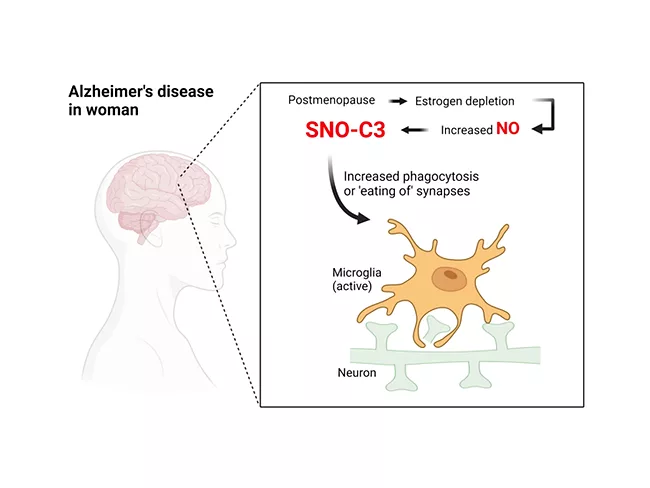
Alzheimer’s disease has a higher incidence in women. This sex difference was associated with a modification of certain proteins of the immune system. According to a recent study, the drop in estrogen with menopause increased the expression in the brain of a neurotransmitter, nitric oxide (NO), generating the S-nitrosylation of complement factor C3 (abbreviated SNO-C3), which activated the microglia.
Programmable genome insertion of long DNA sequences, useful for both gene therapy and basic research, commonly relies on cellular responses to double-strand breaks (DSBs) using programmable nucleases, such as CRISPR-Cas9, for induction of repair pathways such as non-homologous end joining (NHEJ). To overcome the current limitations of gene integration approaches, scientists from the Massachusetts Institute of Technology and colleagues developed a new strategy based on advances in programmable CRISPR-based gene editing, such as prime editing, together with the application of precise site-specific integrases.
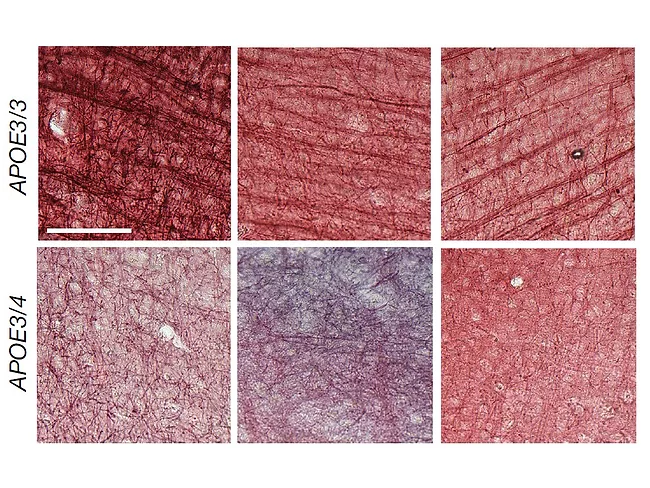
Carrying the apolipoprotein E4 allele (APOE4), and not the APOE3 variant, is the strongest risk factor for developing Alzheimer’s disease (AD). But the underlying mechanism has remained elusive. Now, researchers at MIT and Mount Sinai have found that in brains carrying the APOE4 allele, lipid and cholesterol processes were dysregulated in oligodendrocytes and that this effect reduced myelination.
The University of Texas System and Massachusetts Institute of Technology (MIT) have synthesized transcription factor PU.1 inhibitors reported to be useful for the treatment of Alzheimer's disease.
It is largely known that oral drug delivery for macromolecules is often limited by the degradative environment of the gastrointestinal tract. Researchers from the Massachusetts Institute of Technology and their collaborators have presented Robocap, an oral mucus-clearing drug-delivery capsule that enhances the gastrointestinal absorption of drugs.
The Massachusetts Institute of Technology (MIT) has developed collagen mimetic peptides for PET imaging to detect idiopathic pulmonary fibrosis (IPF), with [68Ga]DOTA-CMP showing selective identification of fibrotic collagen in vivo.