If we unraveled the DNA of the 46 chromosomes of a single human cell, it would barely measure 2 meters. If we did the same with the rest of the body, if we aligned the 3 billion base pairs of its 5 trillion cells, we could travel the distance from the Earth to the Sun more than 100 times. It seems unreachable. However, that is the unit of knowledge of the large sequencing projects achieved in 2023. From the generation of the human pangenome to cell-by-cell maps of the brain and kidneys, scientists this year have completed several omics collaborative projects stored in large international databases. Now, what’s the plan?
If we unraveled the DNA of the 46 chromosomes of a single human cell, it would barely measure 2 meters. If we did the same with the rest of the body, if we aligned the 3 billion base pairs of its 5 trillion cells, we could travel the distance from the Earth to the Sun more than 100 times. It seems unreachable. However, that is the unit of knowledge of the large sequencing projects achieved in 2023. From the generation of the human pangenome to cell-by-cell maps of the brain and kidneys, scientists this year have completed several omics collaborative projects stored in large international databases. Now, what’s the plan?
Why cancer? The mechanisms that drive and maintain tumorigenesis are still a mystery. This is a play with different actors who have different roles in several contexts. One of these scenarios is represented by genetic and epigenetic conditions that determine the early trajectories of cancer cells. In addition, different mechanisms will control phenotypes and states that can take one or another direction toward cancer.
The broadest view of post-mortem brains in Alzheimer’s disease (AD) has unveiled the genome, transcriptome and epigenome alterations of this neurodegenerative condition. The coordinated research, directed by scientists at the Massachusetts Institute of Technology (MIT), also described new cellular pathways that could help the scientific community design new therapies. Four simultaneous studies published on Sept. 28, 2023, in Cell, presented a brain single-cell atlas of AD, exposed the damage that affects DNA, and described the processes that alter the microglia and dysregulate the epigenome.
The broadest view of post-mortem brains in Alzheimer’s disease (AD) has unveiled the genome, transcriptome and epigenome alterations of this neurodegenerative condition. The coordinated research, directed by scientists at the Massachusetts Institute of Technology (MIT), also described new cellular pathways that could help the scientific community design new therapies. Four simultaneous studies published on Sept. 28, 2023, in Cell, presented a brain single-cell atlas of AD, exposed the damage that affects DNA, and described the processes that alter the microglia and dysregulate the epigenome.
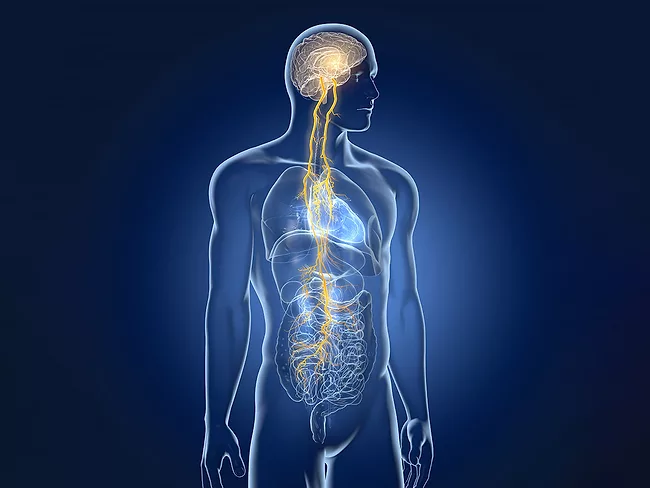
A pill that delivers electrical stimulation to the vagus nerve from inside the stomach was able to trigger the release of appetite-controlling neurohormones, specifically the “hunger hormone” ghrelin. The work, which was described in the April 26, 2023, issue of Science Robotics, could pave the way for treating “metabolic, [gastrointestinal], and neuropsychiatric disorders noninvasively with minimal off-target effects,” the authors wrote in their paper.
A pill that delivers electrical stimulation to the vagus nerve from inside the stomach was able to trigger the release of appetite-controlling neurohormones, specifically the “hunger hormone” ghrelin.
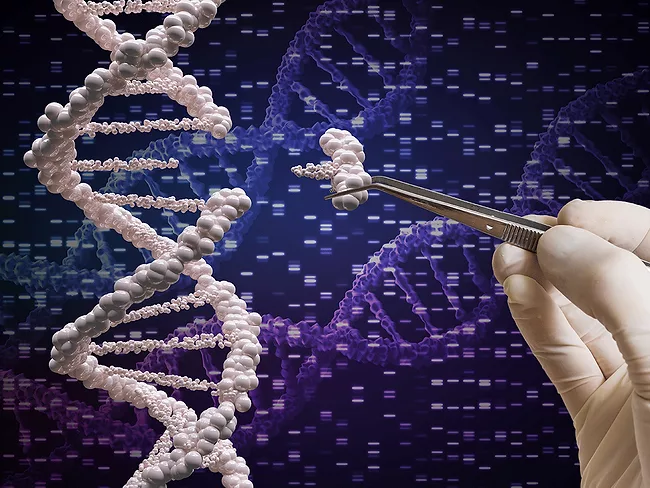
The editing in human cells and in mice of the survival motor neuron 1 gene (SMN1) restored the levels of SMN protein that the mutation of the SMN2 gene produces in spinal muscular atrophy. Scientists from the Broad Institute in Boston and The Ohio State University reversed the mutation using the base editing technique.
The editing in human cells and in mice of the survival motor neuron 1 gene (SMN1) restored the levels of SMN protein that the mutation of the SMN2 gene produces in spinal muscular atrophy (SMA). Scientists from the Broad Institute in Boston and The Ohio State University reversed the mutation using the base editing technique. “This base editing approach to treating SMA should be applicable to all SMA patients, regardless of the specific mutation that caused their SMN1 loss,” the lead author David Liu, a professor and director of the Merkin Institute of Transformative Technologies in Healthcare at the Broad Institute of Harvard and MIT, told BioWorld.