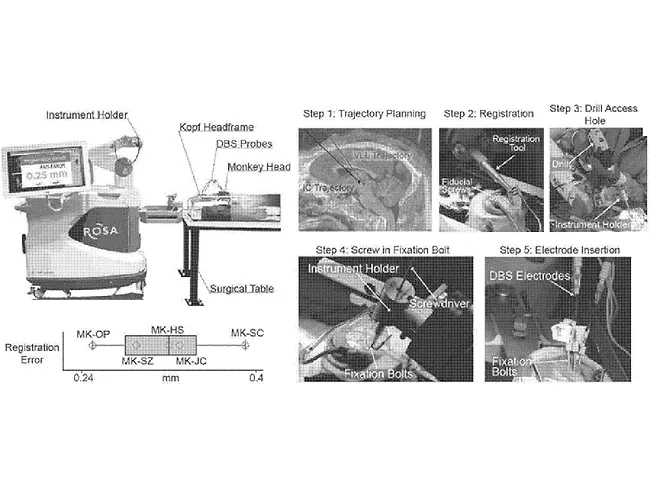
Researchers from the University of Pittsburgh seek patent protection for a method of treating motor disorders by applying an electrical stimulus to neurons in the thalamus. The invention is based on their discovery that deep brain stimulation of specific lateral areas in the thalamus leads to improvements in motor outputs of voluntary movements affected by motor disorders.
Researchers from New York University College of Dentistry’s Pain Research Center in collaboration with the University of Pittsburgh found a candidate for chronic pain treatment among a library of 27 million compounds.
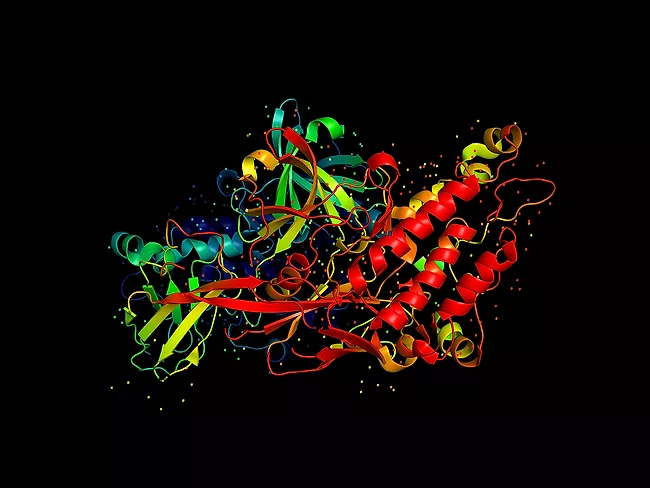
Synonymous or silent mutations do not change the sequence of the protein that they encode. With some exceptions, they do not trigger any effect. Last year, however, a study by researchers from the University of Michigan tried to refute this concept after finding that they altered the protein function. But breaking dogmas can have answers. A group of scientists from various institutions has found that this work could have a method error.
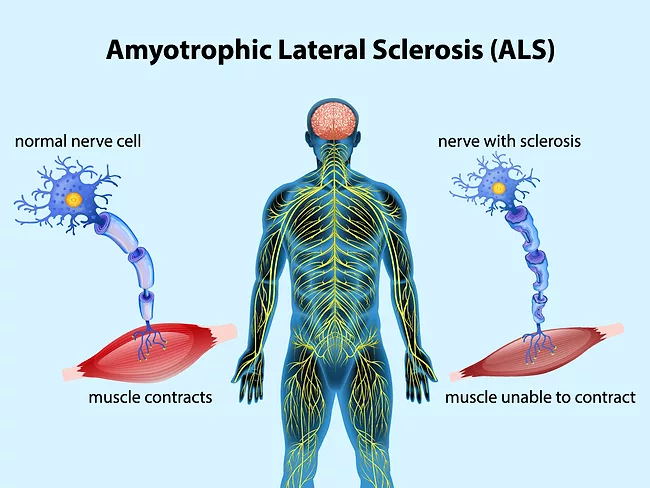
Amyotrophic lateral sclerosis (ALS) is a fatal neurodegenerative disease characterized by failure of motor neurons that lead to paralysis. To date, no treatment exists for ALS that focuses on improving neuromuscular transmission, which would improve quality of life for ALS patients.
T cells do not have the last word in some breast cancers. According to a study from the University of Pittsburgh, the key to estrogen receptor positive (ER+) breast tumors are macrophages, not T cells, and targeting them could prevent immunotherapy failure in this type of cancer.
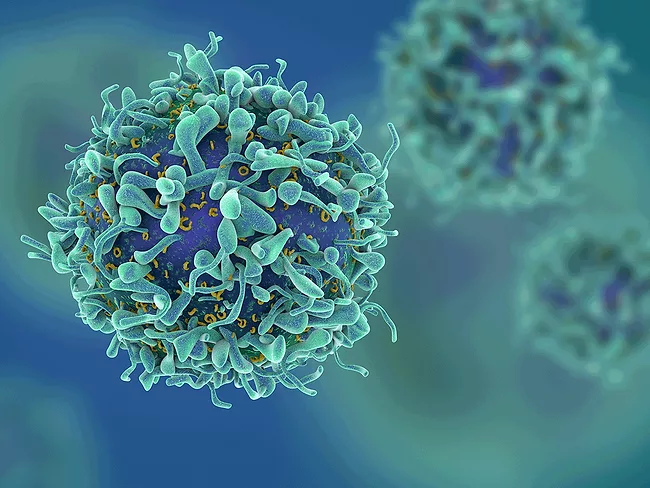
An allogeneic hematopoietic stem cell transplantation that triggers graft-vs.-host-disease (GVHD) involves T cells that do not come from the patient's bloodstream, but rather from the local progenitor cells of the donor tissue. A study from the University of Pittsburgh confirmed this finding after cloning and following these cells, revealing their origin and peculiarities.
“I have had this idea for a pretty long time. In the tissues there are antigen-presenting cells and there are T cells. And I felt like there is no reason why they are needed to be input from blood that it could be a largely local response. Then, the question was whether there would be a subset of cells in the tissues that could continue to sustain it,” lead author Warren Shlomchik told BioWorld.
Coeptis Therapeutics Holdings Inc. has entered into a sponsored research agreement with the University of Pittsburgh to advance preclinical development of SNAP-CAR T cells targeting HER2, and to explore opportunities to expand the applicability of SNAP-CAR in oncology.
Research shows that individuals with schizophrenia have abnormal gene expression patterns in their brains compared with people without the condition. In a study published in PLOS Biology on Jan. 24, 2023, the authors reported that many genes in brain tissue from the dorsolateral prefrontal cortex, a region involved in cognition, have expression patterns that follow a 12-hour cycle. The investigators found that these patterns were largely lost in people with schizophrenia.
Genprex Inc. has entered into a license agreement with the University of Pittsburgh designed to strengthen its diabetes program. The agreement grants Genprex a worldwide, exclusive license to certain patent applications and related technology and a worldwide, nonexclusive license to use certain related know-how, all related to modulating autoimmunity in type 1 diabetes by using gene therapy.
Age-related diseases have been explained as due in part to the excessive generation and accumulation of waste products like the various insoluble protein aggregates observed in nondividing neurons of Alzheimer’s disease, Parkinson’s disease, amyotrophic lateral sclerosis and Huntington’s disease.