St. Jude Children’s Research Hospital has divulged molecular glue degraders comprising cereblon (CRBN) binding agents covalently bound to a eukaryotic peptide chain release factor GTP-binding subunit ERF3A (GSPT1) and/or DNA-binding protein ikaros (IKZF1) targeting moiety acting as GSPT1 and/or IKZF1 degradation and GSPT1 and/or IKZF1/CRBN interaction inducers reported to be useful for the treatment of cancer.
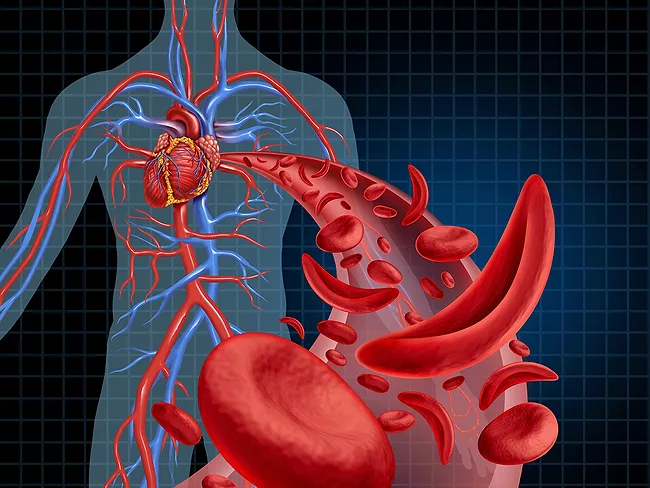
A proof of concept of ex vivo genetic modification of cells from patients and their transplantation in mice has demonstrated, for the first time, the therapeutic possibilities of prime editing in sickle cell disease (SCD).
Researchers from University of Belgrade, St. Jude Children’s Research Hospital and affiliated organizations have provided details on the discovery of novel orally bioavailable BET inhibitors as potential anticancer drug candidates.
By combining drug sensitivity with genomic profiling of tumor cells, a study from St. Jude Children's Research Hospital with more than 800 patients has shown a wide diversity in drug sensitivity for pediatric acute lymphoblastic leukemia (ALL) and defined six patterns of response to treatment. “This work provides a framework for ‘functional precision medicine’,” corresponding author Jun Yang, vice chair of the Department of Pharmacy and Pharmaceutical Sciences at St. Jude Children's Research Hospital, told BioWorld.
Targeting tyrosine-protein kinase Lck (LCK) with dasatinib has demonstrated activity against T-cell acute lymphoblastic leukemia (T-ALL). To make the effects more lasting, researchers from St. Jude Children's Research Hospital and the University of Pennsylvania designed proteolysis targeting chimeras (PROTACs) using dasatinib as an LCK ligand and phenyl-glutarimide as a cereblon-directing moiety.
Surviving apoptosis after administration of a drug triggered a previously unknown evolutionary process that gave tumor cells greater resistance to subsequent therapies. A cancer cell that does not die gets stronger. Cancer reappears with those cells that escape death thanks to a mechanism that, at the same time, offers a potential therapeutic target. According to a study led by St. Jude Children's Research Hospital in collaboration with the University of Glasgow and University of Oxford, the alternative to the cell death program is a stress response pathway that generates a persister cell phenotype not described before.