After raising $20 million in a series B round in December 2022, Aravax Pty Ltd. has raised another $22 million to close out its series B round with $42 million that expands the syndicate with new investors Novartis Venture Fund, Breakthrough Victoria, Uniseed, Unisuper, and Agati Capital. The funds will take the company’s peanut allergy immunotherapy, PVX-108, through phase II trials.
After raising $20 million in a series B round in December 2022, Aravax Pty Ltd. has raised another $22 million to close out its series B round with $42 million that expands the syndicate with new investors Novartis Venture Fund, Breakthrough Victoria, Uniseed, Unisuper, and Agati Capital. The funds will take the company’s peanut allergy immunotherapy, PVX-108, through phase II trials.
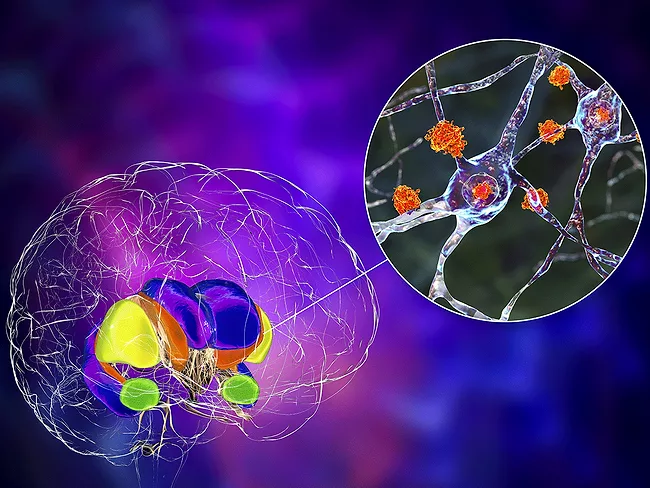
Mutant huntingtin (HTT) protein is the main cause of the pathological features leading to Huntington's disease (HD) development, a neurological disorder characterized by CAG repeat expansion in exon 1 of the HTT gene, which causes neuronal dysfunction and death along the brain.
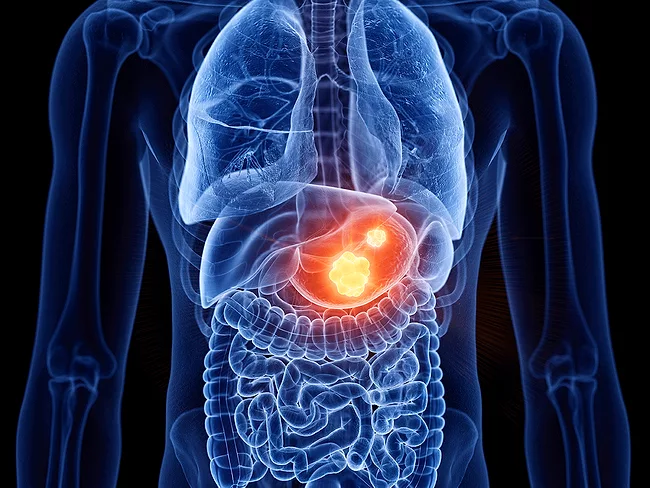
Patients with end-stage pancreatic ductal adenocarcinoma achieved unprecedented survival rates after being treated with the Engeneic dream vector nanocells, with 88% of patients doubling the historical survival rates, Engeneic Ltd. co-CEO Jennifer MacDiarmid told BioWorld.
Patients with end-stage pancreatic ductal adenocarcinoma achieved unprecedented survival rates after being treated with the Engeneic dream vector nanocells, with 88% of patients doubling the historical survival rates, Engeneic Ltd. co-CEO Jennifer MacDiarmid told BioWorld.
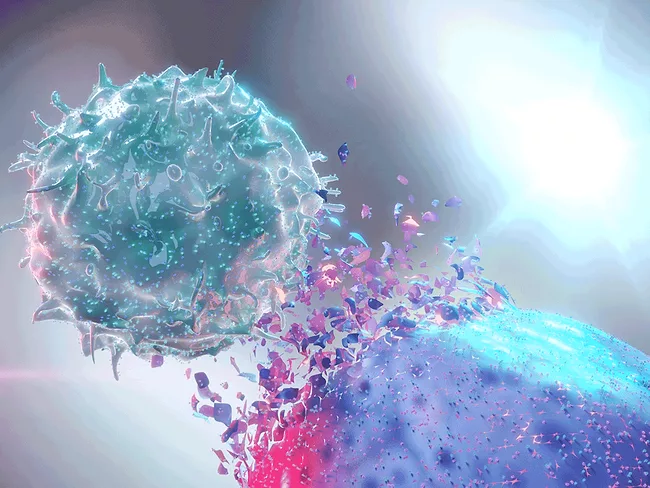
Researchers from Nkgen Biotech Inc. have developed an anti-HER2 CAR NK cell therapy, named SNK-02, as a potential immunotherapeutic for HER2-overexpressing tumors. SNK-02 was tested in a xenografted murine model of cancer.
Korean bioventure GI Innovation Inc. inched closer to achieving its goal of “five tech transfer deals in five years” with another licensing deal for its allergy drug, GI-301, with Japan-based Maruho Co. Ltd. for ₩298 billion (US$220.7 million), although share prices still dropped on the news.
Korean bioventure GI Innovation Inc. inched closer to achieving its goal of “five tech transfer deals in five years” with another licensing deal for its allergy drug, GI-301, with Japan-based Maruho Co. Ltd. for ₩298 billion (US$220.7 million), although share prices still dropped on the news.
Arbele Ltd. founder and CEO John Luk identified and patented cadherin-17 as a therapeutic cancer target, and the company was founded to develop immunotherapies for gastrointestinal cancers, which are prevalent in Asia Pacific.
Springboarding off the success of its AI-based imaging software for cancer detection, the deep learning-based artificial intelligence (AI) company Lunit Inc. has another AI software, called the Lunit Scope, up its sleeve for which it hopes to gain U.S. FDA approval by 2025.