Springboarding off the success of its AI-based imaging software for cancer detection, the deep learning-based artificial intelligence (AI) company Lunit Inc. has another AI software, called the Lunit Scope, up its sleeve for which it hopes to gain U.S. FDA approval by 2025.
The narrative of TIGIT-targeting immunotherapy development, beset by negative news in recent months, has found a positive plotline again, thanks to what Roche Holding AG referred to as “an inadvertent disclosure” of a second interim analysis from the phase III Skyscraper-01 study testing anti-TIGIT candidate tiragolumab with anti-PD-L1 antibody Tecentriq (atezolizumab) in non-small-cell lung cancer.
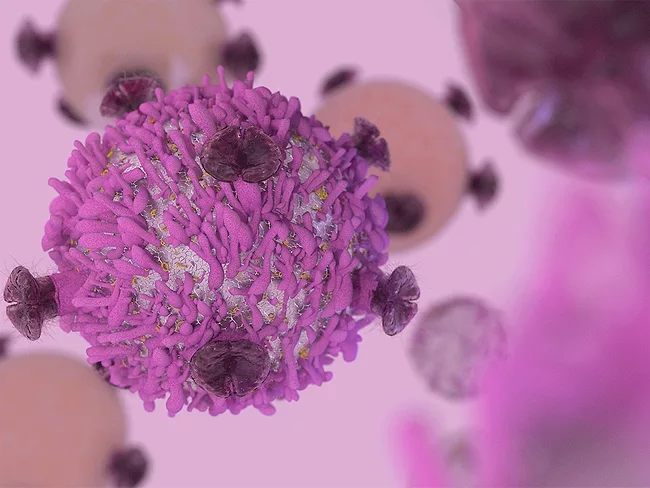
Critically shortened telomeres are known to be a key limiting factor in successful CAR T-cell immunotherapy, with cells from older patients tending to have shorter telomeres with reduced dividing capacity. As such, these cells are unable to fully eliminate malignancies and provide durable and persistent protection against cancer. So, what if you could lengthen these DNA-protein structures found at the end of chromosomes during the ex-vivo manufacturing of CAR T cells, i.e., before they are put back into the body, so increasing their potency against disease? Newly-launched firm Telos Biotech – a subsidiary company of Cambrian Bio – believes you can, with its patent-protected recombinant protein, Telovance, promising to shake up the cell therapy field.
Following the death of a patient, the U.S. FDA halted Arcellx Inc.’s phase II pivotal trial of its CAR T-cell therapy for relapsed or refractory multiple myeloma (MM), putting Gilead Sciences Inc., which in December made the risky decision to part with $225 million up front for rights to the immunotherapy, in likely turmoil.
The U.S. FDA greenlighted Highfield Biopharmaceuticals Co. Ltd.’s IND, paving way for the Chinese immunotherapy firm to begin clinical testing its immunoliposome cancer therapy.
The U.S. FDA greenlighted Highfield Biopharmaceuticals Co. Ltd.’s IND, paving way for the Chinese immunotherapy firm to begin clinical testing its immunoliposome cancer therapy.
In recent work, researchers from Mount Sinai School of Medicine applied a drug repurposing approach to identify candidates that could target inflammation in atherosclerosis.
Hookipa Pharma Inc. is looking to raise about $50 million in a public offering to further advance its lead immunotherapy candidate, HB-200, into a pivotal phase III trial in combination with Keytruda (pembrolizumab, Merck & Co. Inc.) for the first-line treatment of recurrent or metastatic head and neck cancer associated with human papillomavirus (HPV) 16.
Immunotherapy-focused biotech company LTZ Therapeutics Inc. raised more than $10 million in a pre-A+ financing that will be used to continue establishing the company’s platform and pipeline that is initially focused on solid and liquid tumors.
With much-awaited readouts from their broad oncology-focused collaboration due later this year, Arcus Biosciences Inc. and Gilead Sciences Inc. have decided to expand efforts into the inflammatory disease space via an early stage research agreement that could be worth as much as $1 billion. Terms include a $35 million up-front payment to Arcus, which is making its first move beyond oncology.