Scripps Research Institute has described nucleoside analogues acting as prodrugs reported to be useful for the treatment of SARS-CoV-2 infection (COVID-19).
The HIV-1 envelope glycoprotein (Env) mediates cell entry and is the target of the host humoral immune response. Functional Env is a trimer of noncovalent gp120-gp41 heterodimers. Rational trimer design has transformed the HIV-1 vaccine research field and has helped understand Env structure and immunogenicity. Uncleaved prefusion-optimized (UFO) trimers have been shown to stabilize diverse HIV-1 Env glycoproteins.
Scripps Research Institute and Shangpharma Innovation have divulged cyclic GMP-AMP synthase (MB21D1; cGAS) inhibitors reported to be useful for the treatment of autoinflammatory interferonopathy, autoimmune and neurological disorders.
Scripps Research has synthesized 3C-Like proteinase (3CLpro; Mpro; nsp5) (SARS-CoV-2; COVID-19 virus) inhibitors reported to be useful for the treatment of severe acute respiratory syndrome coronavirus 2 (SARS-CoV-2) infection (COVID-19).
Protego Biopharma Inc. and Scripps Research Institute have identified serine/threonine kinase/endoribonuclease IRE1 (ERN1) activators reported to be useful for the treatment of diabetes, myocardial infarction, nonalcoholic fatty liver disease (NAFLD), Parkinson's disease, retinal degeneration, atherosclerosis, Gaucher disease and Alzheimer's disease, among others.
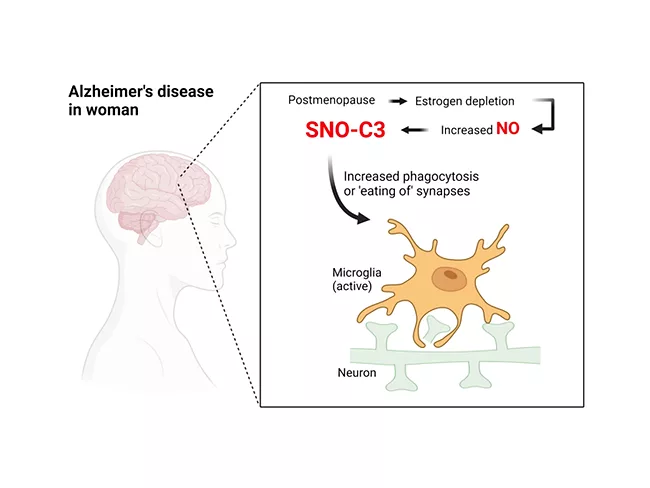
Alzheimer’s disease has a higher incidence in women. This sex difference was associated with a modification of certain proteins of the immune system. According to a recent study, the drop in estrogen with menopause increased the expression in the brain of a neurotransmitter, nitric oxide (NO), generating the S-nitrosylation of complement factor C3 (abbreviated SNO-C3), which activated the microglia.
The 2022 Nobel Prize in chemistry was awarded to Carolyn Bertozzi of Stanford University, to Morten Meldal of the University of Copenhagen, and – for the second time – to Barry Sharpless of The Scripps Research Institute “for the development of click chemistry and bioorthogonal
chemistry.”
Click chemistry, the Nobel Committee’s Olof Ramström told reporters while announcing the prize, “is almost like it sounds – it’s all about linking different molecules.”
He likened click chemistry to a seatbelt buckle, whose interlocking parts can be attached to many different materials, linking them by snapping the two parts of the buckle together.
“The problem was to find good chemical buckles,” Ramström said – chemicals that “will easily snap together, and importantly, they won’t snap with anything else.”
Protego Biopharma Inc. raised $51 million in a series A financing to advance the targeting of protein misfolding diseases. The fundraising is a few years on from 2017, when the idea underscoring the company’s birth was to build a platform based on small molecules that could stabilize proteins and restore their functionality.