Researchers from Applied Genetic Technologies Corp. have reported preclinical data for AGTC-601, a novel AAVrh10-granulin (GRN) gene therapy being developed for the treatment of frontotemporal dementia (FTD) with GRN mutations.
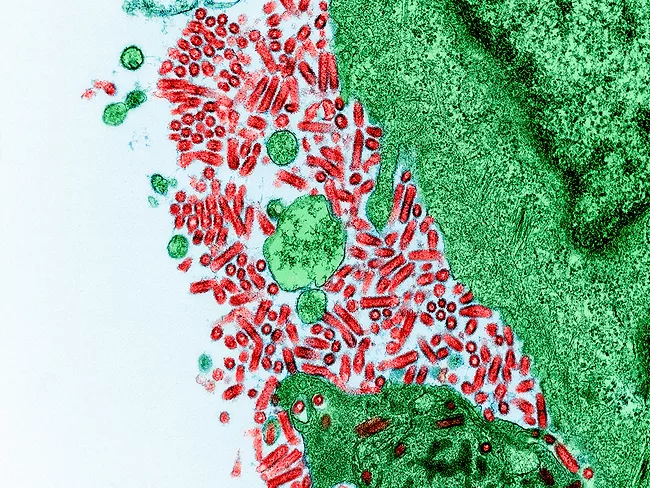
Rabies virus is among the most neurotrophic known virus and it has a fatality rate of almost 100%. There is a need for antibody-induced protection in the central nervous system, since rabies virus can cross the blood-brain barrier but antibodies cannot. Investigators from Auburn University and the Scott-Ritchey Research Center have presented an adeno-associated viral (AAV) vector-based approach for brain encephalitis caused by rabies virus infection.
One of the challenges in designing genetic and cellular strategies is getting the therapy to the right place. This is even more complicated when it comes to the nervous system. The brain is a complex organ that contains the most differentiated and inaccessible cells in human biology. It is an impassable safe, protected by the blood-brain barrier.
New and updated preclinical data presented at the American Society of Gene & Cell Therapy Congress in Los Angeles, by: Epic Bio, Kalivir Immunotherapeutics, Rejuvenate Bio.
Researchers from City of Hope discussed preclinical data for CD33-targeted chimeric antigen receptor (CAR) T cells being developed for the treatment of acute myeloid leukemia (AML).
Friedreich’s ataxia (FA) is an autosomal recessive disorder caused by mutations in the FXN gene and characterized by cardiomyopathy, gait ataxia and sensory loss, with cardiac complications the main cause of death among patients with FA.
Homology Medicines Inc. has reported data on an adeno-associated viral (AAV) vector-based therapy, HMI-104, an AAV treatment intended to induce hepatic expression of a complement C5 monoclonal antibody, named as C5mAb, for the potential treatment of paroxysmal nocturnal hemoglobinuria (PNH) as well as other complement-driven pathologies. C5mAb is thought to bind to C5 and inhibit the C5-mediated hemolysis observed in PNH.
Arrhythmogenic cardiomyopathy (ACM) is a devastating inherited disorder characterized by massive cardiomyocyte loss, fibrofatty infiltration and ventricular arrhythmias, among others. Most known genetic causes of ACM involve the gene PKP2, which encodes plakophilin-2. An unmet medical need exists regarding therapies that correct this PKP2 deficiency.
Trigeminal neuralgia (TN) is a chronic disorder caused by the hyperactive functioning of a damaged trigeminal nerve that provokes severe facial pain coming from the trigeminal nerve.


.webp?height=488&t=1670008838&width=650 "Acute myeloid leukemia")