Researchers from Huidagene Therapeutics Co. Ltd. have evaluated the effects of adenine base editing (ABE)-induced exon skipping of exon 50 in a humanized mouse model of Duchenne muscular dystrophy (DMD).
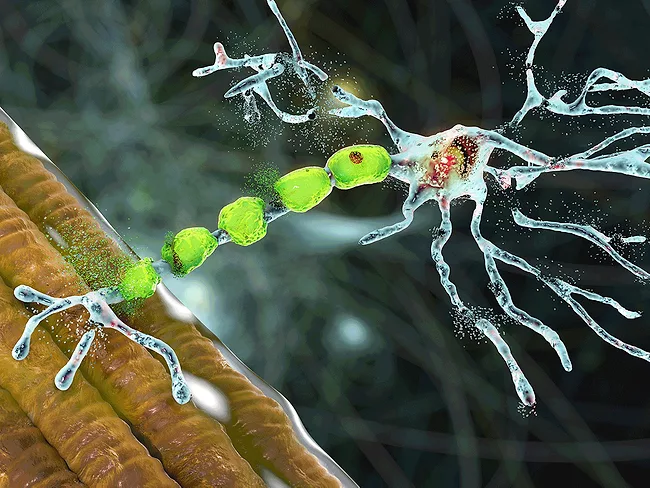
Neuronal ceroid lipofuscinosis, commonly known as Batten disease, is an inherited pediatric neurodegenerative lysosomal storage disease caused by mutations in the CLN5 gene. The disease is incurable and there is an urgent medical need for novel therapies. A murine model of Batten disease was developed to study a novel AAV vector that expresses CLN5, AAV9-CLN5. In the study by University College London investigators, the gene therapy, driven by the synapsin promoter, was intracerebroventricularly administered into neonatal Cln5-knockout mice.
Spinal muscular atrophy (SMA) is caused by mutations in the SMN1 gene, which encodes survival motor neuron 1, leading to reduced protein expression levels and degeneration of motor neurons in the spinal cord, with the consequent muscle atrophy. There is thus a need for new AAV gene therapies for SMA that confer better safety and efficacy.
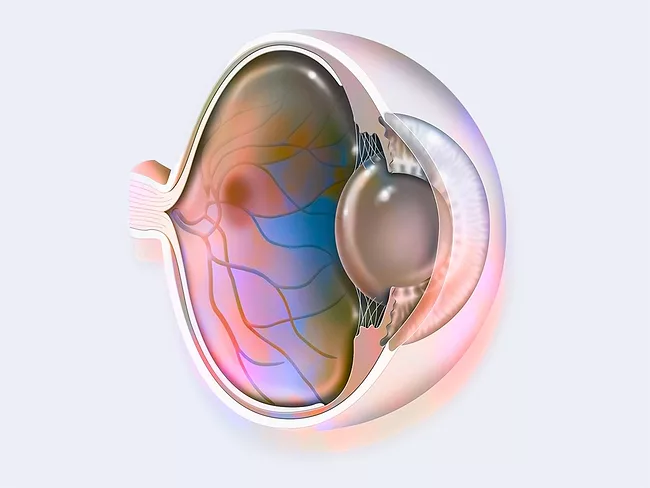
Researchers from Skyline Therapeutics (Shanghai) Co. Ltd. presented preclinical data for the new recombinant AAV vector therapeutic SKG-0106, being developed for the treatment of neovascular (wet) age-related macular degeneration (AMD).
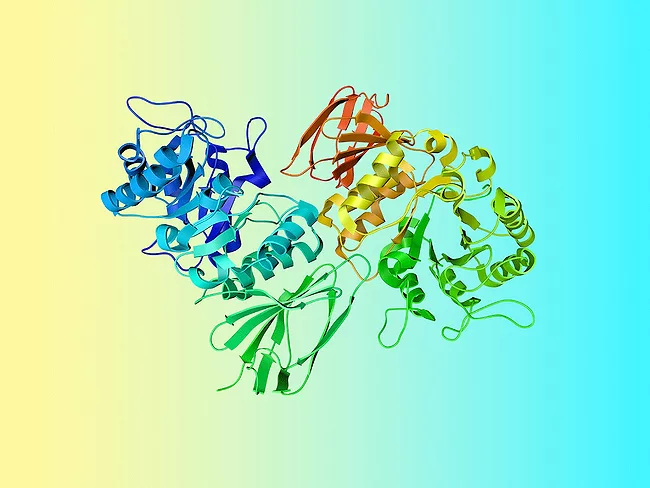
Fabry disease is a metabolic disease characterized by a deficiency in the lysosomal α-galactosidase enzyme caused by mutations in the GLA gene. This leads to substrate accumulation in the lysosomes, cellular dysfunction and organ damage.
Researchers from Kyungpook National University presented data from a study that aimed to investigate the endogenous mechanisms involved in granule cell dispersion (GCD) and its role in epileptic seizures in temporal lobe epilepsy (TLE).
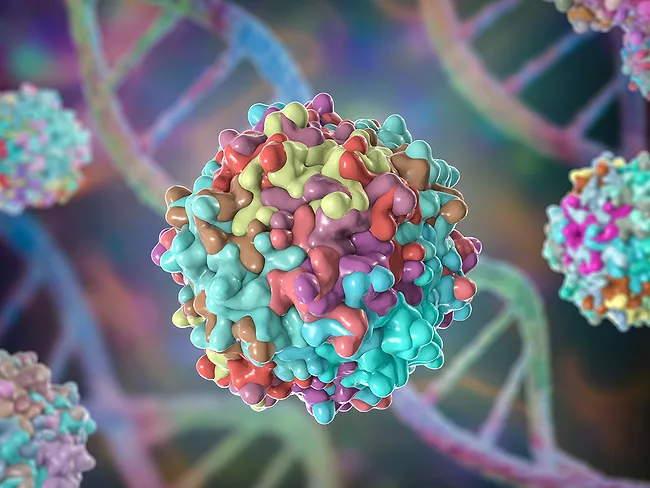
The discovery of DNA was a milestone in the history of science that led to a breakthrough in biomedical research. By associating disease and genetics, genome correction techniques were ultimately developed that are supposed to work in the same way that antibiotics and antivirals block pathogenic microorganisms: by directly attacking the causes of disease.
There is a need regarding cardiovascular disease and heart failure for a therapy that reverses the progression of ventricular dysfunction. Previous findings have shown that cardiomyocytes during cardiac dysfunction show an accelerated telomere shortening, thus leading to DNA damage.