Right on cue, the U.S. FDA’s Center for Drug Evaluation and Research (CDER) is scheduling its first in-person advisory committee meetings since the COVID-19 pandemic. Speaking during a May 6 webinar hosted by the Alliance for a Stronger FDA, CDER Director Patrizia Cavazzoni said the center was preparing to go back to in-person adcoms, adding that the first step likely would be a hybrid model.
Gilead Sciences Inc. has patented 4'-Thionucleoside analogues acting as viral replication inhibitors reported to be useful for the treatment of HIV infection.
Gilead Sciences Inc. is aiming to capitalize on the early August 2022 buyout of privately held U.K. biotech Mirobio Ltd. with the advancement of PD-1 agonist GS-0151 into phase Ib trials for rheumatoid arthritis, a decision that Leerink analyst David Risinger hailed as positive for others at work with the intriguing mechanism. Paying $405 million for Oxford-based Mirobio, Gilead took ownership of the firm’s checkpoint agonists to treat autoimmune diseases.
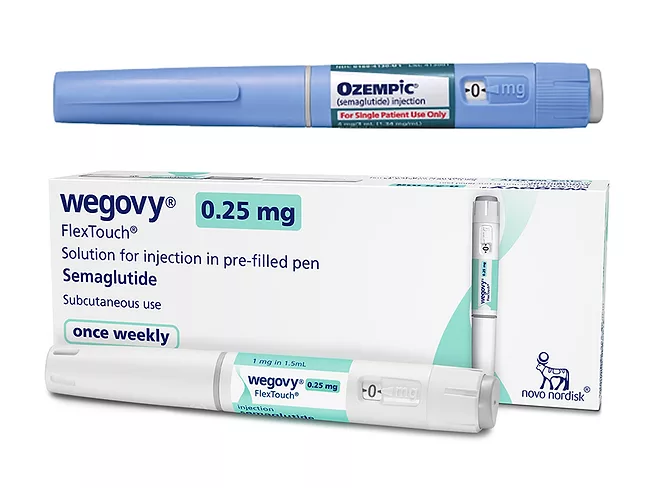
There was a time not that long ago when Merck & Co. Inc.’s Keytruda (pembrolizumab), with its multiple cancer indications, was seen as the heir apparent to Humira’s title of the biggest blockbuster drug. Not anymore. That title now belongs to Novo Nordisk A/S’ semaglutide, approved as Ozempic in 2017 to treat diabetes and as Wegovy in 2021 to help with weight loss.
The U.S. biopharma and med-tech industries are adding their voice to that of Gilead Sciences Inc. in urging the California Supreme Court to review the Gilead Tenofovir Cases, which seek to hold the drug company liable for how and when it developed its pipeline of HIV drugs.
Xilio Therapeutics Inc. retreated with its lead oncology IL-2 drug, XTX-202, after phase II data indicated stable disease was the best response, prompting the company to reprioritize its pipeline and cut its workforce by 21% – but investors focused more on a $647.5 million IL-12 program deal the company signed with Gilead Sciences Inc., as well as an $11.3 million private placement financing.
While some states are beginning to double down on the prices they pay for prescription drugs, the state of Colorado is taking it to a whole new level with its Prescription Drug Affordability Review Board that was empowered to set maximum prices of prescription drugs it considers “unaffordable.”
For the treatment of HIV infection, non-nucleoside reverse transcriptase inhibitors (NNRTIs) are used to prevent viral replication by binding to a pocket near the polymerase active site of HIV-1 reverse transcriptase.
One topic at the 31st Conference on Retroviruses and Opportunistic Infections (CROI 2024) held in Denver this month was that resistance to antiretroviral therapy (ART) has become a public health problem for people living with HIV. Without a vaccine or a cure, these patients depend on treatments that suppress viremia by preventing the virus from replicating. They are lifelong treatments and, until new advances succeed in eradicating the virus from reservoirs, the only option available.