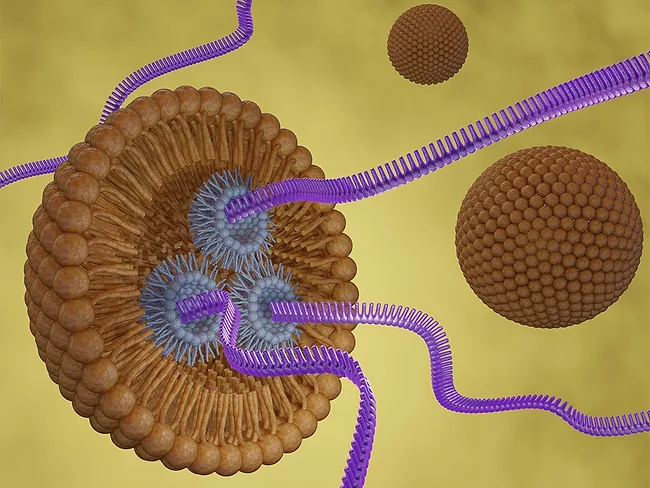
Ribocure Pharmaceuticals AB, a subsidiary of Suzhou Ribo Life Science Co. Ltd., and Madrigal Pharmaceuticals Inc. have achieved the first drug candidate nomination within their siRNA partnership.
17-β-Hydroxysteroid dehydrogenase 13 (HSD17B13) and lipid transferase CIDEB are known to contribute to metabolic dysfunction-associated steatohepatitis (MASH) progression, where HSD17B13 exacerbates hepatic lipid metabolism, while CIDEB mainly mediates lipid droplet dynamics and storage. In this context, Frontier Biotechnologies Inc. has presented data on FB-7033, a bispecific siRNA approach targeting both HSD17B13 and CIDEB for the management of MASH.
D&D Pharmatech Inc. announced May 27 positive top-line tissue biopsy results of zabopegdutide (DD-01) from a 48-week phase II study of metabolic dysfunction-associated steatohepatitis (MASH), pushing company shares up 30% on the day.
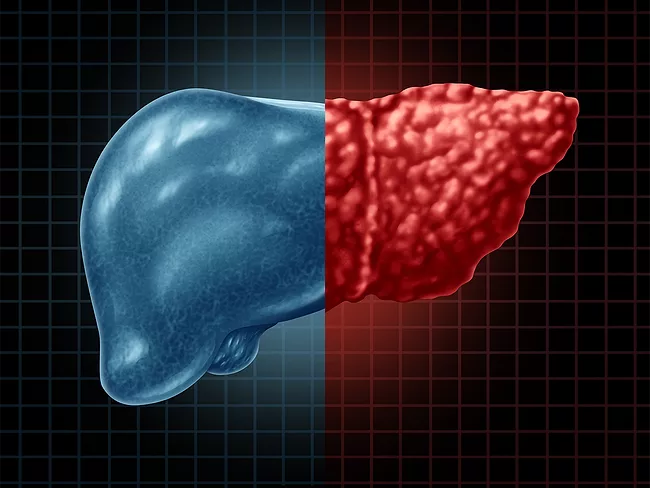
Alterations in PNPLA3, particularly the I148M variant, impair lipid metabolism in hepatocytes, leading to lipid accumulation and driving progression from steatosis to fibrosis and cirrhosis. Targeting this genetic driver may offer a strategy to reduce steatosis and limit disease progression.
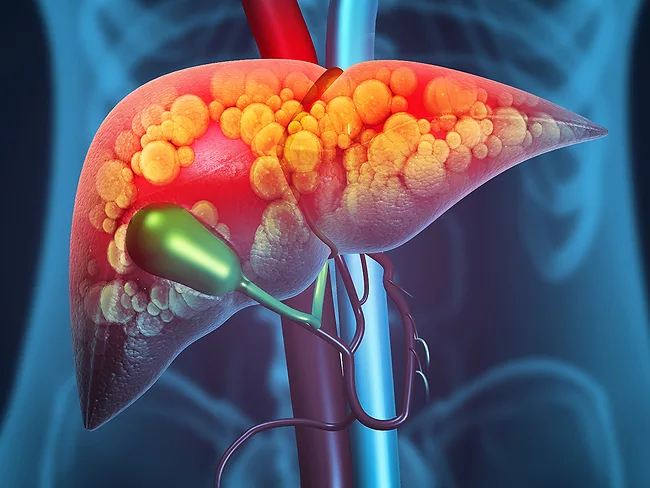
Metabolic dysfunction-associated steatohepatitis (MASH) is characterized by lipid accumulation in the liver and inflammation. Sterol O-acyltransferase 2 (SOAT2) is a key enzyme in intestinal absorption and hepatic secretion of cholesterol. PRD Therapeutics Inc. has developed PRD-001, a selective SOAT2 inhibitor currently in phase I trials for MASH.
Researchers from Pilatus Biosciences SA recently presented preclinical efficacy data for PLT-012, a humanized IgG4 antibody targeting CD36, in metabolic dysfunction-associated steatohepatitis (MASH) models.
D&D Pharmatech Inc. announced May 27 positive top-line tissue biopsy results of zabopegdutide (DD-01) from a 48-week phase II study of metabolic dysfunction-associated steatohepatitis (MASH), pushing company shares up 30% on the day.
Three years after Johnson & Johnson handed back rights to an siRNA candidate targeting a genetic driver of metabolic dysfunction-associated steatohepatitis (MASH), Arrowhead Pharmaceuticals Inc. found a new partner in Madrigal Pharmaceuticals Inc., a firm that markets the first U.S. FDA-approved MASH drug, Rezdiffra (resmetirom), and has been building a pipeline in the space.
Proqr Therapeutics NV has highlighted the continued progression and expansion of its early-stage pipeline of RNA editing therapies, including programs in cholestatic diseases, Hurler syndrome, metabolic dysfunction-associated steatohepatitis and Rett syndrome.