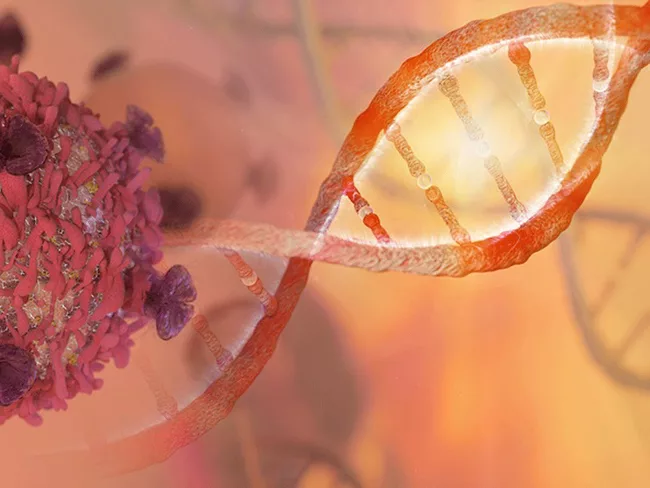
A Harvard Medical School research team developed a bifunctional therapeutic vaccine strategy by transforming living tumor cells into a potent agent with direct tumor killing and immunostimulatory abilities.
CRISPR gene editing has been one of the important advances of the last decade, in biotechnology and increasingly in medicine. First applied to human cells in 2013, and honored with the 2020 Nobel Prize in Physiology or Medicine, its meteoric rise can make CRISPR look like the molecular equivalent of a miracle healer. But in the research and clinical trenches, CRISPR-based approaches, like any others, need to find applications where their desired effects outweigh their side effects. And finding those applications necessitates ways to identify off-target effects.
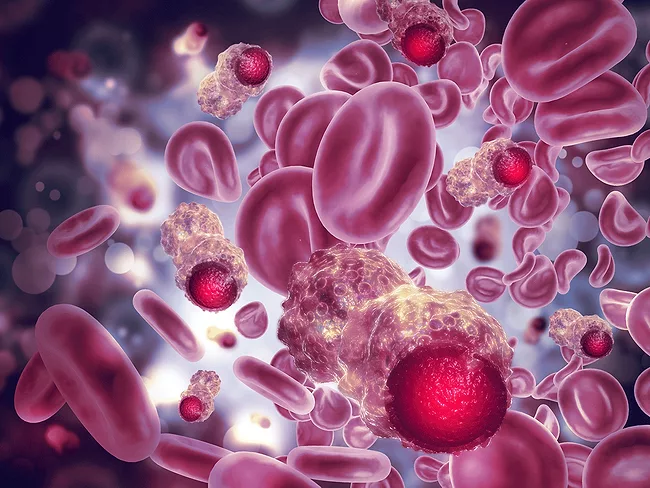
Circulating tumor cells (CTCs) transit through the bloodstream and they exhibit heterogeneity in their expression of epithelial and mesenchymal marker proteins, including the cadherin proteins. Based on these findings, researchers from Massachusetts General Hospital and Harvard Medical School evaluated the potential of the dual anti-cadherin antibody, 23C6, in targeting CTC-dependent blood-borne metastasis.
Researchers from Boston Children’s Hospital and Harvard Medical School reported the discovery and preclinical evaluation of SP1-77, a novel humanized monoclonal IgG-κ antibody targeting the receptor-binding-domain (RBD) of spike (S) glycoprotein of all SARS-CoV-2 variants.