BioWorld. Link to homepage.

Clarivate
  • BioWorld
  • BioWorld Science
  • BioWorld Asia
  • Data Snapshots
    • Biopharma
    • Medical technology
    • Infographics: Dynamic digital data analysis
    • Index insights
    • NME Digest
  • Special reports
    • Infographics: Dynamic digital data analysis
    • Trump administration impacts
    • Med-tech outlook 2026
    • Under threat: mRNA vaccine research
    • BioWorld at 35
    • Biopharma M&A scorecard
    • Bioworld 2025 review
    • BioWorld MedTech 2025 review
    • BioWorld Science 2025 review
    • Women's health
    • China's GLP-1 landscape
    • PFA re-energizes afib market
    • China CAR T
    • Alzheimer's disease
    • Coronavirus
    • More reports can be found here

BioWorld. Link to homepage.

  • Sign In
  • Sign Out
  • My Account
Subscribe
BioWorld - Wednesday, April 22, 2026
Home » Harvard Medical School

Articles Tagged with ''Harvard Medical School''

Ear illustration
Ear, Nose & Throat

Using PCDH15 minigenes to treat hearing loss in USH1F

May 18, 2023
Usher syndrome is the most common cause of deaf-blindness. Mutations in the protocadherin-15 (PCDH15) gene cause Usher syndrome type 1 F (USH1F), which makes up about 3-11% of all Usher syndrome cases. As a component of tip links of the inner ear hair cells, PCDH15 binds to cadherin-23 (CDH23) to convey force from sound stimuli to the mechanosensory transduction channels.
Read More
Neurology/Psychiatric

Study gives insight into Leqembi MoA

May 10, 2023
By Coia Dulsat
The aqueous supernatants resulting from ultracentrifugation of brain samples from patients with Alzheimer’s disease (AD) contain aggregates so far described as soluble oligomers of amyloid-β protein (Aβ), which are responsible for the neurotoxicity underlying AD and thus considered targets to watch in this devastating condition. Now, a group of scientists from Harvard Medical School have determined that these aggregates are in fact insoluble diffusible fibrils with the same atomic structure as plaque fibrils.
Read More
Cancer

TP-317 enhances efficacy of immune checkpoint inhibitor therapy in cancer, study demonstrates

April 18, 2023
Thetis Pharmaceuticals LLC and Harvard Medical School have presented data on the stable salt chelate of Resolvin E1, TP-317, for the potential treatment of immune checkpoint inhibitor (ICI)-resistant and sensitive tumors. TP-315 is an activator of ChemR23, a receptor expressed on immune cells in the tumor microenvironment. In vivo murine models of lung, melanoma (B16F10) and pancreatic (Panc2-H7) tumors were used to investigate TP-317 monotherapy and in combination with ICI.
Read More
Drug Design, Drug Delivery & Technologies

Designer bacteria PROT3ECTs against inflammation in IBD mouse model

April 4, 2023
By Subhasree Nag
A team of researchers from Harvard University has developed a suite of Escherichia coli Nissle 1917 (EcN), named PRObiotic type 3 secretion E. coli therapeutic (PROT3ECT), engineered to secrete a TNF-α nanobody directly into the gut to reduce inflammation in a chemically induced inflammatory bowel disease (IBD) mouse model.
Read More
Lizard with detached tail
Neurology/Psychiatric

The ‘lizard strategy’ could work against neurodegeneration

March 14, 2023
By Mar de Miguel
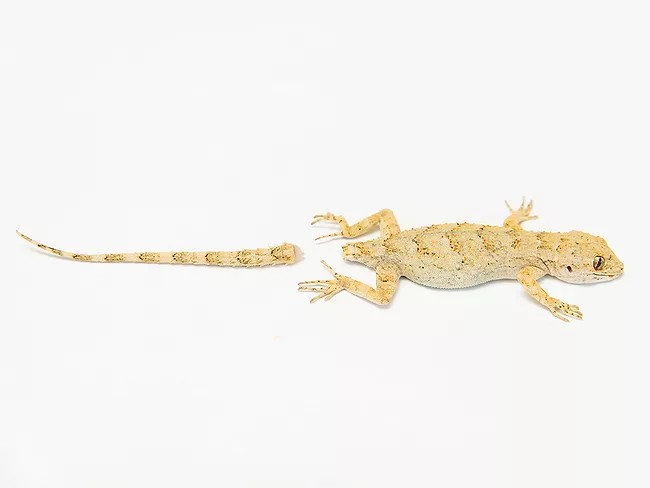
Losing the tail to survive. In neurons, the lizard’s strategy, losing the axon to be safe, could prevent cell death. Scientists at Harvard Medical School have observed that certain toxins activated axon loss to prevent damage and survive. This mechanism was mediated by the Gasdermin-E (GSDME) protein, which destroyed the mitochondria in the axons and eliminated the affected nerve projection before the cell died. The inhibition of GSDME prevented the loss of neurons and delayed the progression of amyotrophic lateral sclerosis (ALS) in mice models.
Read More
Cancer cell and DNA
Immuno-oncology

Study reveals how mTORC1 promotes tumor immune evasion through B7-H3

March 8, 2023
Researchers from the Brigham and Women’s Hospital and Harvard Medical School and collaborators recently conducted a study investigating the regulation of immune checkpoint molecules in cancer. Analyzing data from The Cancer Genome Atlas pan-cancer cohort (over 10,000 patients and 11,000 samples across 34 different cancer subtypes), they found that high expression of the immune checkpoint B7-H3 (CD276) and high mTORC1 activity correlate with immunosuppressive phenotypes and worse clinical outcomes.
Read More
Infection

Bacterial meningitis invades the brain by repressing the immune system through pain receptors

March 6, 2023
By Mar de Miguel
Bacteria inflaming the meninges have developed an immunosuppressive mechanism that contributes to their ability to attack the brain. Researchers found that, by activating pain receptors (nociceptors) to release chemical substances that block an immune cell receptor, Streptococcus pneumoniae and Streptococcus agalactiae deactivated the protective function of macrophages and weakened brain defenses. This, in turn, enabled them to invade the brain.
Read More
Muscle anatomy illustration of man running
Endocrine/Metabolic

New method enables much more detailed look at exerkines, secreted proteins

Jan. 24, 2023
By Anette Breindl
Researchers at the Dana-Farber Cancer Institute have been able to identify proteins that were released from muscles during exercise in relatively small quantities. Using their method, the team was able to demonstrate that the neurotrophic factor prosaposin was produced during exercise. Prosaposin is “a well-known CNS neurotrophic factor, but has never been seen to come out of muscle or fat,” Bruce Spiegelman told BioWorld. Spiegelman is a researcher at the Dana-Farber Cancer Institute and Stanley J. Korsmeyer Professor of Cell Biology and Medicine at Harvard Medical School.
Read More
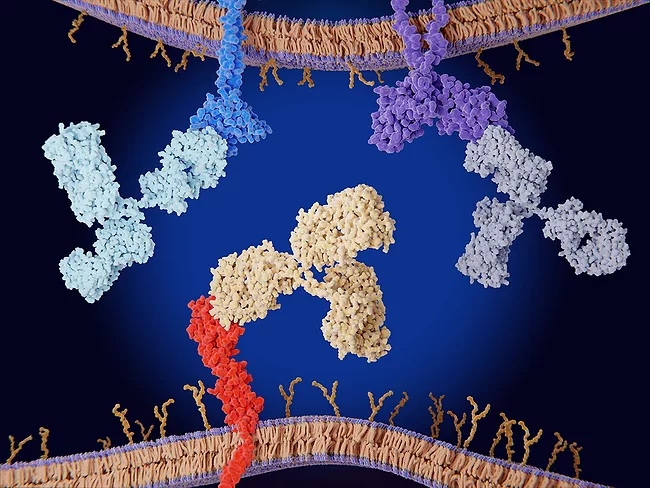
Immune checkpoint inhibitors illustration of PD-1, CTLA-4 and PD-L1.
Immuno-oncology

TBK1 as promising new therapeutic target to overcome cancer immunotherapy resistance

Jan. 20, 2023
TANK-binding kinase 1 (TBK1) is a multifunctional serine/threonine kinase with an established role coordinating innate immune responses, and it has been previously identified as a candidate immune evasion gene. Additionally, disrupting TBK1 signaling has shown potential for enhancing response to immunotherapy with immune checkpoint blockade (ICB) in murine tumor models.
Read More
Hourglass, sunset, silhouettes
Genetic/congenital

Rockfish lifespan diversity gives insights into human aging GWAS

Jan. 16, 2023
By Anette Breindl
“Short-lived organisms represent a fundamentally different evolutionary strategy, and the idiosyncrasies influencing their aging may not apply to longer-lived models, including humans,” researchers from Harvard Medical School wrote in the Jan. 11, 2023, issue of Science Advances.


In their paper, the authors reported insights into the genomics of longevity that took advantage of an unusual animal model: rockfish.
Read More
Previous 1 2 3 4 5 6 Next

Popular Stories

  • Today's news in brief

    BioWorld
    BioWorld briefs for April 22, 2026.
  • Man holding raised arm with illustrated overlay of nerves

    Biohaven reports details on discovery of BHV-2100

    BioWorld Science
    Transient receptor potential melastatin 3 (TRPM3) is a calcium-permeable TRP channel that is highly expressed in somatosensory neurons, including nociceptors of...
  • Elderly woman holding illustration of brain with missing puzzle piece

    Meta-analysis: Anti-amyloid Alzheimer’s drugs not ‘clinically meaningful’

    BioWorld
    The ongoing controversy over the effectiveness of anti-amyloid drugs is about to get more heated, after a review of clinical trials showed statistically...
  • New GABA(B) receptor PAMs revealed in Addex Pharma patents

    BioWorld Science
    Addex Pharma SA has disclosed new GABA(B) receptor positive allosteric modulators (PAMs) potentially useful for the treatment of chronic cough, urinary...
  • MMP inhibitors divulged in Accure Therapeutics patent

    BioWorld Science
    Accure Therapeutics has reported new oligopeptide derivatives acting as matrix metalloproteinase-2 (MMP-2) and MMP-9 inhibitors. As such, they are described as...
  • BioWorld
    • Today's news
    • Analysis and data insight
    • Clinical
    • Data Snapshots
    • Deals and M&A
    • Financings
    • Medical technology
    • Newco news
    • Opinion
    • Regulatory
  • BioWorld Science
    • Today's news
    • Biomarkers
    • Cancer
    • Conferences
    • Endocrine/metabolic
    • Immune
    • Infection
    • Neurology/psychiatric
    • NME Digest
    • Patents
  • BioWorld Asia
    • Today's news
    • Analysis and data insight
    • Australia
    • China
    • Clinical
    • Deals and M&A
    • Financings
    • Newco news
    • Regulatory
    • Science
  • More
    • About
    • Advertise with BioWorld
    • Archives
    • Article reprints and permissions
    • Contact us
    • Cookie policy
    • Copyright notice
    • Data methodology
    • Infographics: Dynamic digital data analysis
    • Index insights
    • Podcasts
    • Privacy policy
    • Share your news with BioWorld
    • Staff
    • Terms of use
    • Topic alerts
Follow Us

Copyright ©2026. All Rights Reserved. Design, CMS, Hosting & Web Development :: ePublishing