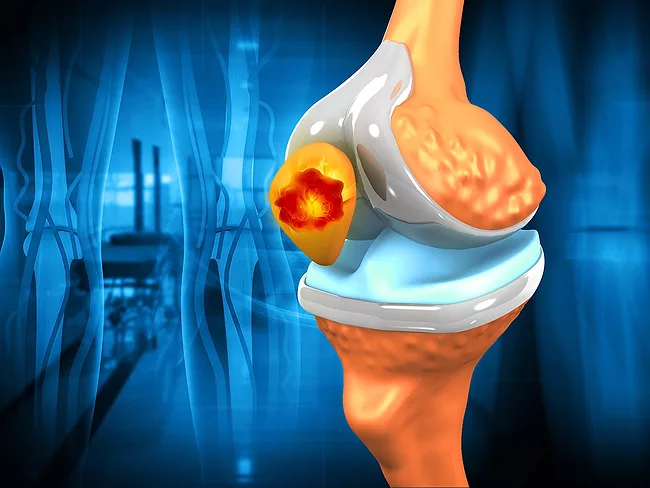
Ascendis Pharma A/S’ Yuviwel (navepegritide) gained U.S. FDA accelerated approval Feb. 27 for children 2 and older with the rare genetic bone growth disorder achondroplasia, also known as dwarfism, winning the company a rare pediatric disease priority review voucher
Reauthorization of the rare pediatric disease priority review voucher (PRV) was included in the spending package signed into law Feb. 3 by U.S. President Donald Trump, removing at least one aspect of uncertainty facing rare disease companies, many of which have relied on the PRV’s transferrable option as a lucrative source of funding.
After being unanimously passed by the U.S. House Dec. 1, the bipartisan Mikaela Naylon Give Kids a Chance Act seemed to be headed for sure passage in the Senate before it adjourned late last week.
The next stop on the comeback tour for the U.S. FDA’s Rare Pediatric Disease Priority Review Voucher program is the Senate, after the House unanimously passed the Mikaela Naylon Give Kids a Chance Act, H.R. 1262, Dec. 1.
A failed July inspection of manufacturer Catalent Indiana LLC has delayed another U.S. FDA approval, the latest being that of Scholar Rock Inc.’s selective anti-latent myostatin antibody, apitegromab, which was expected to become the first therapy to enhance skeletal muscle in patients with spinal muscular atrophy.
After a long regulatory road that included a complete response letter in May, Stealth Biotherapeutics Inc. finally got its Barth syndrome drug across the finish line, with the U.S. FDA granting accelerated approval to Forzinity (elamipretide HCl) to improve muscle strength in those with the ultra-rare pediatric mitochondrial cardioskeletal disease.
Renewing hopes of restoring the rare pediatric disease priority review voucher (RPD PRV) program that expired at the end of 2024, the House Energy and Commerce Committee voted 47-0 Sept. 17 to advance the Give Kids a Chance Act of 2025 (H.R. 1262), one of six pieces of legislation slated to move to the full U.S. House for consideration.
After dropping development in December of its lead program, Spruce Biosciences Inc. has found new life by acquiring a BLA-ready enzyme replacement therapy for the rare genetic neurodegenerative disease Sanfilippo syndrome type B. If approved, the therapy, tralesinidase alfa, could bring Spruce a priority review voucher.
With positive data in hand from its phase IIb trial testing immunotherapy candidate OST-HER2 in osteosarcoma, OS Therapies Inc. anticipates a regulatory filing this year seeking accelerated approval from the U.S. FDA, putting the firm on track to receive a potentially profitable rare pediatric disease priority review voucher that could help fund further R&D work. Should OST-HER2 go on to win approval, it would mark the first new therapy in more than 40 years for osteosarcoma, an aggressive bone cancer characterized by high rates of metastases, often to the lungs, and disease recurrence.
In a surprise move that drove its stock up by 292% in early trading, Chimerix Inc. revealed plans for a U.S. NDA filing by year-end, seeking accelerated approval of dordaviprone (ONC-201) to treat recurrent H3 K27M-mutant diffuse glioma, a highly aggressive tumor with limited treatment options.