Regulation of advanced therapies has come under scrutiny at a conference in London, as activity in the sector heats up amid Europe’s root and branch review of pharmaceutical legislation.
Chimeric antigen receptor (CAR) T-cell therapy is effective in the treatment of multiple myeloma (MM), but its toxicity and complex manufacturing limit their broad use.
Galapagos NV is making a decisive shift away from its small-molecule roots, sealing the simultaneous acquisition of CAR T-cell therapy specialist Cellpoint BV and fully-human antibody company Aboundbio Inc. The Cellpoint deal is by far the largest, with Galapagos paying €125 million (US$132 million) cash up front, with a further €100 million to come in milestones. The price for Aboundbio of Pittsburgh, is $14 million.
Analysts have already started tagging Cogent Biosciences Inc.’s bezuclastinib as potentially best in class, after the company presented impressive, though early stage, data at the European Hematology Association Congress in Vienna demonstrating promising efficacy and a possibly differentiating safety profile for the selective KIT D816V inhibitor in advanced systemic mastocytosis.
Gilead Sciences Inc. said it is increasing manufacturing capacity to match an anticipated increase in demand for its CAR T-cell therapy, Yescarta (axicabtagene ciloleucel), which gained FDA approval for a wider group of lymphoma patients late last week.
Reports of two patient deaths prompted Celyad Oncology SA to voluntarily pause a phase Ib trial testing its allogeneic CAR T-cell therapy, CYAD-101, in combination with Keytruda (pembrolizumab, Merck & Co. Inc.) in patients with refractory metastatic colorectal cancer (mCRC), the latest safety hitch among efforts to advance the promise of CAR T beyond the first approvals in hematological malignancies.
LONDON – “I really believe we can start using the word cure,” said the pioneer of chimeric antigen receptor T-cell (CAR T) therapy Carl June, as he revealed two leukemia patients he treated in a phase I trial have now been in remission for 10 years. Both patients with chronic lymphocytic leukemia achieved complete remission shortly after treatment in 2010. The genetic modification has remained detectable in their CAR T cells for more than 10 years of follow-up, June said, describing details of the case studies published in Nature Feb. 2.
LONDON – “I really believe we can start using the word cure,” said the pioneer of chimeric antigen receptor T-cell (CAR T) therapy Carl June, as he revealed two leukemia patients he treated in a phase I trial have now been in remission for 10 years. Both patients with chronic lymphocytic leukemia achieved complete remission shortly after treatment in 2010. The genetic modification has remained detectable in their CAR T cells for more than 10 years of follow-up, June said, describing details of the case studies published in Nature Feb. 2.
Sana Biotechnology Inc. has acquired rights to two CAR T constructs through a pair of deals, one with partners Innovent Biologics Inc. and Iaso Biotherapeutics Co. Ltd. and a second with the U.S.-based National Cancer Institute (NCI). In the Innovent-Iaso deal, Sana secured nonexclusive commercial rights to a B-cell maturation antigen-targeted CAR T construct for in vivo gene therapy and ex vivo hypoimmune cell therapy applications. The NCI deal, for exclusive commercial rights to the NCI’s CD22 CAR asset, could help Sana “address key relapse challenges for CD19-directed CAR T-cell therapies,” the company said.
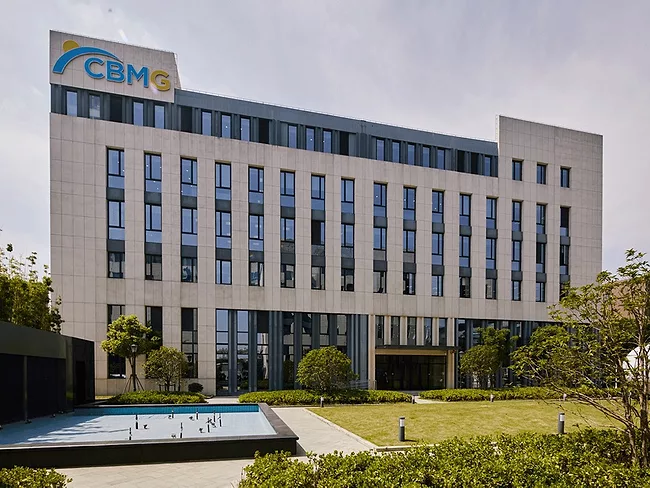
Cell therapy developer Cellular Biomedicine Group Inc. (CBMG) completed a $120 million series A financing, its first since becoming a private company. The funds will benefit the U.S. and China-based firm’s CAR T pipeline.