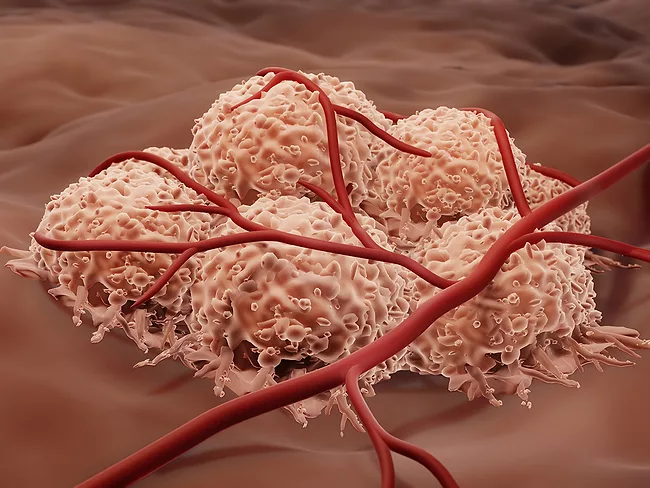
Six weeks after the U.S. FDA issued an alert, the EMA is following suit and starting a review of the safety of six approved CAR T-cell cancer therapies, following 23 reports of patients developing secondary cancers. The EMA said such malignancies were considered “an important potential risk” at the time of approval and are included in the risk management plan. Close monitoring is in place, with companies required to conduct long-term safety and efficacy follow-up studies and to file safety update reports.
Umoja Biopharma Inc.’s gene delivery platform that combines a third-generation lentiviral vector gene approach with a novel T-cell targeting and activation surface complex brought Abbvie Inc. to the table for a pair of deals that could be worth as much as $1.44 billion.
It is known that CD19-directed CAR T-cell therapy is useful in the treatment of large B-cell lymphoma, but about 60% of patients relapse after treatment, and about 30% of these are CD19-negative patients with poor survival. Sana Biotechnology Inc. is developing a hypoimmune CD22-directed CAR T-cell therapy, named SC-262, for the potential treatment of large B-cell lymphoma.
Reports of T-cell malignancies, including lymphoma, have the U.S. FDA investigating the risks for patients who received certain autologous CAR T-cell immunotherapies.
In one of the larger biopharma IPOs in 2023, Cargo Therapeutics Inc. pulled in $281.3 million on Nov. 10, selling 18.75 million shares at $15 each, the low end of its price range. The market debut comes just eight months after the San Mateo, Calif.-based company raised $200 million in an oversubscribed series A round.
Researchers from Umoja Biopharma Inc. presented the discovery and preclinical evaluation of UB-VV200, a third-generation lentiviral vector containing a multi-domain fusion (MDF) protein consisting of a T cell-targeting anti-CD3 scFv and costimulatory proteins.
Immuno-oncology company Imugene Ltd. has acquired a worldwide exclusive license to Precision Biosciences Inc.’s allogeneic CD19 CAR T-cell therapy program in a deal worth more than $227 million. The off-the-shelf CD19 CAR T-cell therapy, azercabtagene zapreleucel (azer-cel), could potentially be the first allogeneic CAR T to be approved, Imugene CEO Leslie Chong told BioWorld.
Immuno-oncology company Imugene Ltd. has acquired a worldwide exclusive license to Precision Biosciences Inc.’s allogeneic CD19 CAR T-cell therapy program in a deal worth more than $227 million. The off-the-shelf CD19 CAR T-cell therapy, azercabtagene zapreleucel (azer-cel), could potentially be the first allogeneic CAR T to be approved, Imugene CEO Leslie Chong told BioWorld.
Critically shortened telomeres are known to be a key limiting factor in successful CAR T-cell immunotherapy, with cells from older patients tending to have shorter telomeres with reduced dividing capacity. As such, these cells are unable to fully eliminate malignancies and provide durable and persistent protection against cancer. So, what if you could lengthen these DNA-protein structures found at the end of chromosomes during the ex-vivo manufacturing of CAR T cells, i.e., before they are put back into the body, so increasing their potency against disease? Newly-launched firm Telos Biotech – a subsidiary company of Cambrian Bio – believes you can, with its patent-protected recombinant protein, Telovance, promising to shake up the cell therapy field.
“From such a stick, such a splinter,” is a popular Spanish saying to explain how a son resembles his father. Like father, like son. The first Spotlight on Immuno-Oncology conference of the American Society of Gene & Cell Therapy (ASGCT) is the splinter of the ASGCT annual meeting, which brought together a group of experts in this field. It took place on Aug. 1 and 2, 2023, starting with a series of talks on “B Cell Malignancies and Beyond.”