Shanghai Curegene Pharmaceutical Co. Ltd. has identified thyroid hormone receptor β (THR-β) agonists that are potentially useful for the treatment of metabolic dysfunction-associated steatotic liver disease (MASLD; NAFLD), diabetes and obesity.
Transforming growth factor-β-activated kinase 1 (TAK1) is a crucial central signaling molecule of hepatic cell death, inflammation and fibrogenesis through NF-κB and MAPK in metabolic dysfunction-associated steatotic liver disease (MASLD). Its pharmacological inhibition using the TAK1 inhibitor HS-276 was tested in vivo in a murine model of diet-induced MASLD.
Recent findings have shown that fatty acid synthase (FASN) is a promising therapeutic target in the treatment of metabolic dysfunction-associated steatotic liver disease (MASLD) due to its involvement in de novo lipogenesis. Chinese researchers have recently published data on a FASN inhibitor, 84-B10, for the potential treatment of MASLD.
Researchers from Imperial College London and collaborators further investigated C/EBPβ as a target for MASLD and evaluated the efficacy of a C/EBPβ-targeted siRNA approach to reverse metabolic dysfunction and restore liver function in high-fat-diet-induced steatosis, which can be precursor to MASH and hepatocellular carcinoma.
Metabolic dysfunction-associated steatotic liver disease (MASLD) covers a series of pathogenic conditions including steatosis, inflammation and fibrosis with limited therapeutic options to date. Recent findings have shown upregulation of hepatic murine double minute 2 (MDM2) in patients with MASLD. Additionally, genetic deletion of hepatic MDM2 and its pharmacological inhibition were seen to improve steatosis and fibrosis in MASLD murine models.
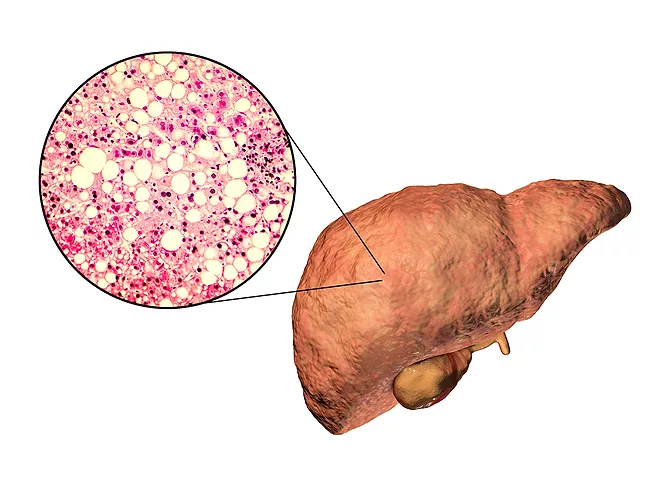
Metabolic dysfunction-associated steatotic liver disease (MASLD) is a growing global health concern, with an estimated prevalence of around 25% worldwide. This chronic liver condition is characterized by lipid deposition in the liver, which can lead to inflammation, scarring and even liver cancer if left untreated.
The liver is a key at maintaining glucose and lipid homeostasis, crucial processes for metabolic health. When these processes are disrupted, a series of metabolic disorders may occur, including type 2 diabetes and metabolic dysfunction-associated steatotic liver disease (MASLD).
Researchers at the German Cancer Research Center Deutsches Krebsforschungszentrum (DKFZ) and their collaborators have cast new light on the mechanisms by which hepatic stellate cells control liver metabolism and regeneration. The work builds on the concept of angiocrine signaling, established 15 years ago.
Researchers at the German Cancer Research Center Deutsches Krebsforschungszentrum (DKFZ) and their collaborators have cast new light on the mechanisms by which hepatic stellate cells control liver metabolism and regeneration. The work builds on the concept of angiocrine signaling, established 15 years ago.
Endocannabinoids are lipid mediators that interact with G protein-coupled receptors, including cannabinoid CB2 receptor (CB2R), which is mainly expressed in peripheral tissues with immune functions.