After a standout 2025, the BioWorld Cancer Index (BCI) started 2026 on more measured footing. Early volatility this year saw the BCI drop 11.51% by the end of January before recovering to post a modest 1.39% gain for the first quarter (Q1).
BioWorld tracked 209 clinical trial readouts across phases I through III in March 2026, up from 152 in February and 144 in January. Among late-stage programs, 26 phase III trials reported positive results, two produced mixed results, and three failed to meet key endpoints. By phase, March updates included 62 from phase I, 74 from phase II and 73 phase III.
BioWorld tracked 209 clinical trial readouts across phases I through III in March 2026, up from 152 in February and 144 in January. Among late-stage programs, 26 phase III trials reported positive results, two produced mixed results, and three failed to meet key endpoints. By phase, March updates included 62 from phase I, 74 from phase II and 73 phase III.
What one analyst called an “intriguing” overall survival signal in phase III results has Karyopharm Therapeutics Inc. planning to meet with the U.S. FDA about a would-be sNDA filing for Xpovio (selinexor) in myelofibrosis (MF).
The BioWorld Cancer Index reversed its early year losses, rebounding from a 4.74% decline at the end of the first quarter (Q1) to finish Q2 up 12.78%. The Dow Jones Industrial Average followed a similar pattern, dropping to -4.41% by the end of April before recovering to a 3.64% gain by Q2’s end. Meanwhile, the Nasdaq Biotechnology Index, down 5.37% at the end of May, narrowed its losses to close June down just 1.92%.
An investor’s wish to know more about the total landscape of a drug candidate is not enough, on its own, to make a company’s disclosures about the drug and its development materially misleading. So said the U.S. Court of Appeals for the First Circuit in affirming the dismissal of a shareholder suit against Karyopharm Therapeutics Inc. and its executive officers.
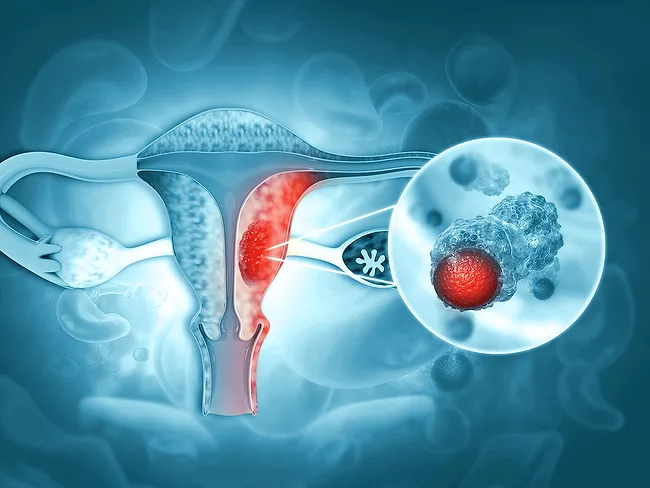
Wall Street nicked shares of Karyopharm Therapeutics Inc. after the firm offered top-line results from the 263-subject phase III study with Xpovio (selinexor) in advanced or recurrent endometrial cancer (EC). Shares (NASDAQ:KPTI) closed at $8.19, down $2.05, or 20%, having dropped as low as $7.66.
Antengene Corp. Ltd. received marketing approval from China’s NMPA for ATG-010 (selinexor), a drug that was in-licensed from Karyopharm Therapeutics Inc. It was approved for use in combination with dexamethasone to treat adults with relapsed or refractory multiple myeloma.
Antengene Corp. Ltd. received marketing approval from China’s NMPA for ATG-010 (selinexor), a drug that was in-licensed from Karyopharm Therapeutics Inc. It was approved for use in combination with dexamethasone to treat adults with relapsed or refractory multiple myeloma, specifically those who have received prior therapies and whose disease is refractory to at least a proteasome inhibitor, an immunomodulatory agent and an anti-CD38 monoclonal antibody.
Contrary to the broader markets, BioWorld’s Cancer Index is down by 22% this year, losing more than 7% throughout the month of July, despite oncology driving several high-money deals and accounting for 38%, the lion’s share, of financings. Both the Nasdaq Biotech Index and the Dow Jones Industrial Average are tracking similarly for the year, and are up by 13.2% and 15.2%, respectively, as of Aug. 10.