Neuroinflammation is a hallmark of Alzheimer’s disease (AD), driven in part by chronic microglial activation and elevated pro-inflammatory cytokines, which contribute to neuronal damage and cognitive decline. Targeting microglial activity has emerged as a promising therapeutic approach.
GSK plc scientists have presented findings from studies on the therapeutic potential of GSK-5862611, an anti-Sortilin antibody, in addressing neurodegenerative disease mechanisms linked to the TDP43 G298S mutation.
A month away from the PDUFA decision date for a Leqembi (lecanemab) subcutaneous autoinjector to be used for maintenance dosing for those with early Alzheimer’s disease, Eisai Co. Ltd. and Biogen Inc. presented clinical data at the Alzheimer's Association International Conference (AAIC) 2025 in Toronto, showing comparable efficacy and safety to the FDA-approved intravenous formulation.
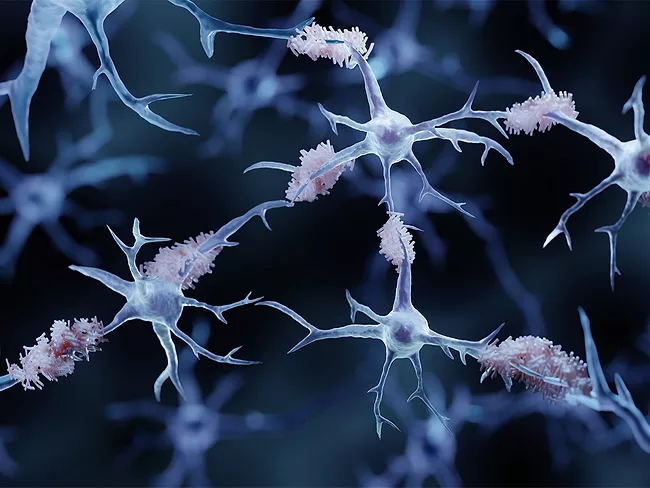
Investigators at Yonsei University have reported findings from studies conducted to identify small molecules capable of disaggregating amyloid-β42 (Aβ42) aggregates, a hallmark of Alzheimer’s disease.
Dysregulation of cholinergic neurotransmission through muscarinic receptors, particularly the M1 and M4 subtypes, has been implicated in the pathophysiology of schizophrenia. Muscarinic M4 receptor agonists and positive allosteric modulators (PAMs) have demonstrated the ability to modulate the disrupted neural circuits associated with this disorder.
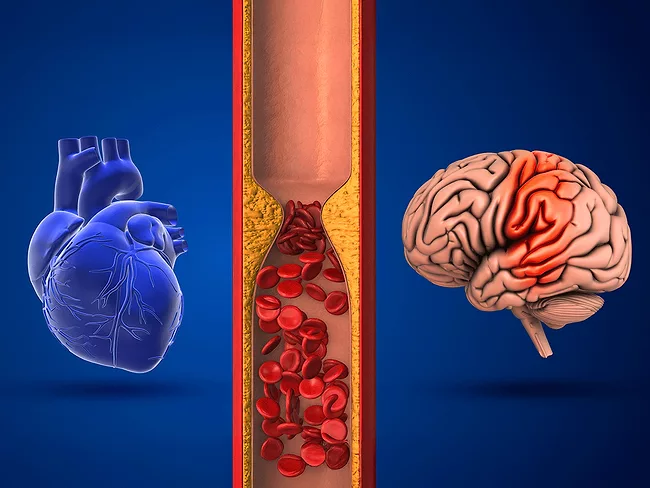
At the 2025 Alzheimer’s Association International Conference (AAIC), one of the bigger splashes was made by a cardiovascular drug. In a presentation on July 30, Newamsterdam Pharma Co. NV presented data showing that its cholesterol drug obicetrapib lowered levels of the Alzheimer’s Disease biomarker p-tau217.
Researchers from Insmed Inc. presented findings on INM-901, a novel synthetic cannabinoid analogue, demonstrating its effects in the 5xFAD mouse model of Alzheimer’s disease. Alzheimer’s disease is a progressive neurodegenerative disorder characterized by cognitive decline and sensorimotor impairments, with no available treatments that effectively halt disease progression.